Trade
Basic
Futures
Futures
Hundreds of contracts settled in USDT or BTC
TradFi
Gold
Trade global traditional assets with USDT in one place
Options
Hot
Trade European-style vanilla options
Unified Account
Maximize your capital efficiency
Demo Trading
Futures Kickoff
Get prepared for your futures trading
Futures Events
Participate in events to win generous rewards
Demo Trading
Use virtual funds to experience risk-free trading
Earn
Launch
CandyDrop
Collect candies to earn airdrops
Launchpool
Quick staking, earn potential new tokens
HODLer Airdrop
Hold GT and get massive airdrops for free
Launchpad
Be early to the next big token project
Alpha Points
Trade on-chain assets and enjoy airdrop rewards!
Futures Points
Earn futures points and claim airdrop rewards
Investment
Simple Earn
Earn interests with idle tokens
Auto-Invest
Auto-invest on a regular basis
Dual Investment
Buy low and sell high to take profits from price fluctuations
Soft Staking
Earn rewards with flexible staking
Crypto Loan
0 Fees
Pledge one crypto to borrow another
Lending Center
One-stop lending hub
VIP Wealth Hub
Customized wealth management empowers your assets growth
Private Wealth Management
Customized asset management to grow your digital assets
Quant Fund
Top asset management team helps you profit without hassle
Staking
Stake cryptos to earn in PoS products
Smart Leverage
New
No forced liquidation before maturity, worry-free leveraged gains
GUSD Minting
Use USDT/USDC to mint GUSD for treasury-level yields

More


Abokarma

No content yet
First day of the new year: Hundreds of horses rush to welcome spring and choose the first signature of the Year of the Horse!
🙏 Participate in the "Lucky Signature in the Year of the Horse" interaction at the Gate Square, and make your wishes come true in the new year!
🧧 Lucky Gift: Choose 5 outstanding users in the post, and each will receive 10 U movie tickets for the new year!
How to participate:
🔹 Follow @Gate广场_Official
🔹 Share with hashtag #我在Gate广场过新年 a photo of the signature you drew + New Year’s greeting exceeding 30 words.
📅 From February 17, 10:00 to February 19, 1
View Original🙏 Participate in the "Lucky Signature in the Year of the Horse" interaction at the Gate Square, and make your wishes come true in the new year!
🧧 Lucky Gift: Choose 5 outstanding users in the post, and each will receive 10 U movie tickets for the new year!
How to participate:
🔹 Follow @Gate广场_Official
🔹 Share with hashtag #我在Gate广场过新年 a photo of the signature you drew + New Year’s greeting exceeding 30 words.
📅 From February 17, 10:00 to February 19, 1


- Reward
- like
- Comment
- Repost
- Share
- Reward
- like
- Comment
- Repost
- Share
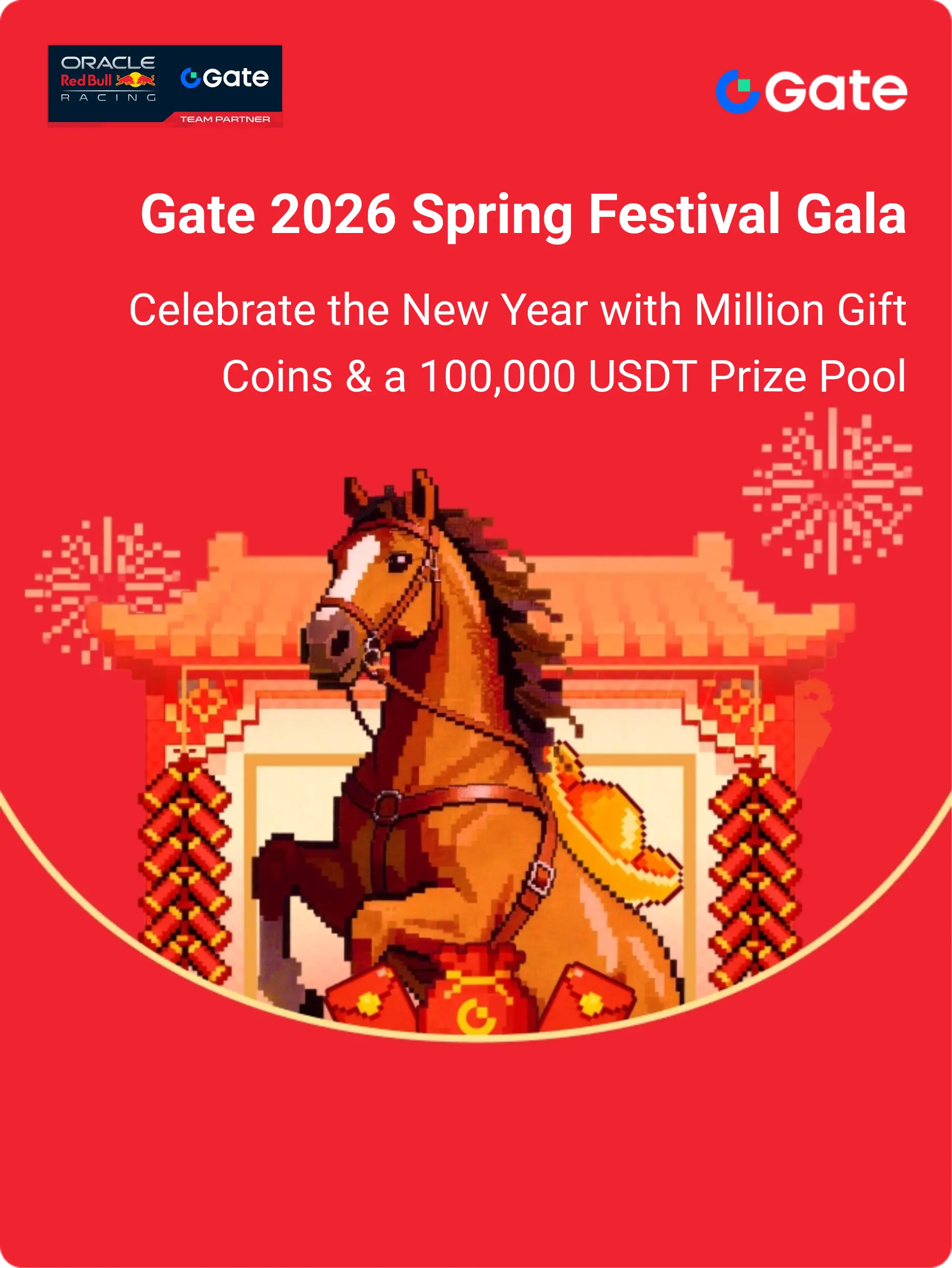
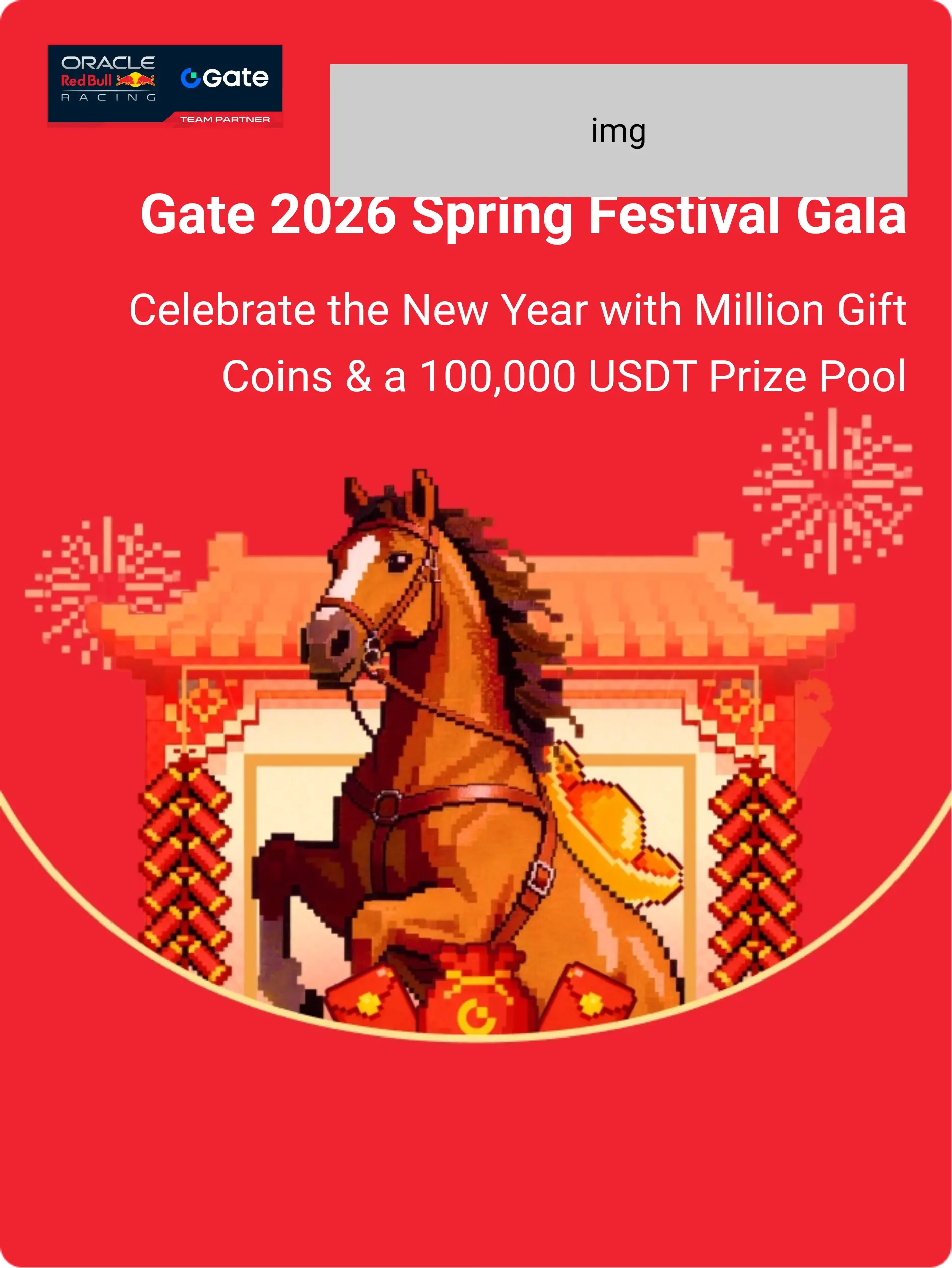
Join the horse racing predictions, complete tasks to earn horse racing tickets, enjoy daily million Gift Coins giveaways, and share a 100,000 USDT prize pool—all at the Gate 2026 Spring Festival Celebration. https://www.gate.com/competition/year-of-horse-2026?ref_type=165&utm_cmp=7EQB9Jba&ref=VLEQVQTDBG
- Reward
- like
- Comment
- Repost
- Share
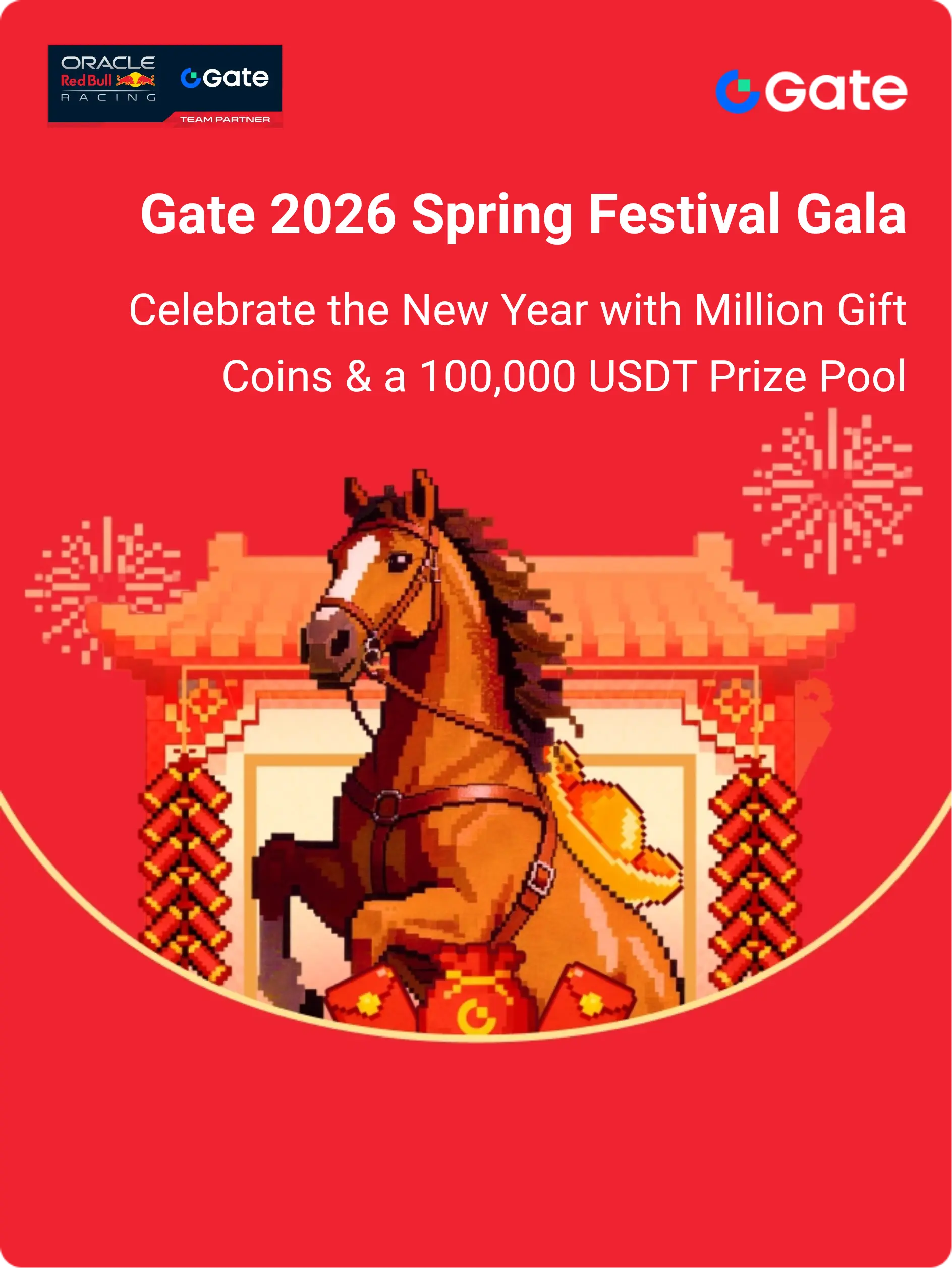
Join the horse racing predictions, complete tasks to earn horse racing tickets, enjoy daily million Gift Coins giveaways, and share a 100,000 USDT prize pool—all at the Gate 2026 Spring Festival Celebration. https://www.gate.com/competition/year-of-horse-2026?ref_type=165&utm_cmp=7EQB9Jba&ref=VLEQVQTDBG
- Reward
- like
- Comment
- Repost
- Share
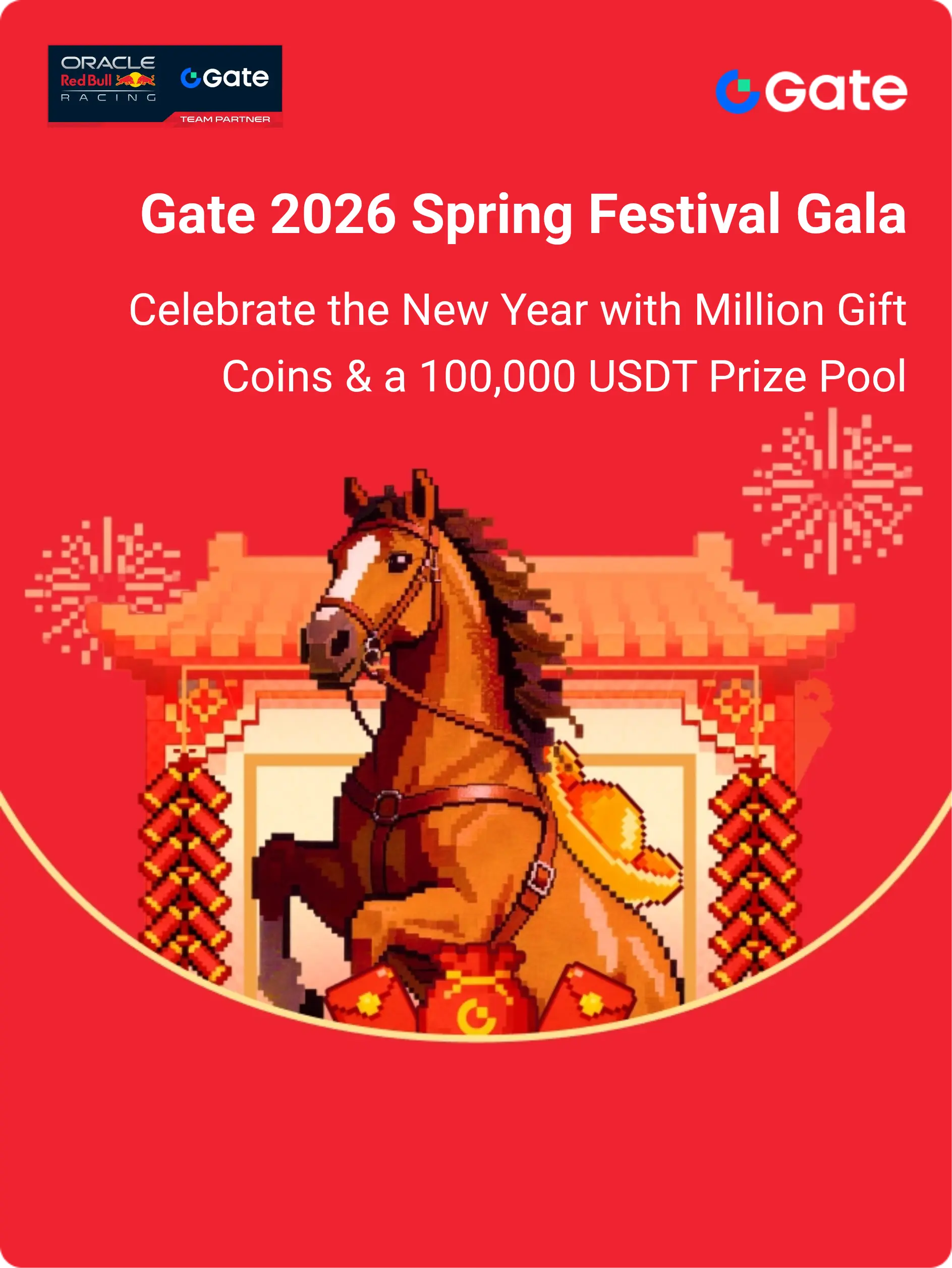
Join the horse racing predictions, complete tasks to earn horse racing tickets, enjoy daily million Gift Coins giveaways, and share a 100,000 USDT prize pool—all at the Gate 2026 Spring Festival Celebration. https://www.gate.com/competition/year-of-horse-2026?ref_type=165&utm_cmp=7EQB9Jba&ref=VLEQVQTDBG
- Reward
- like
- Comment
- Repost
- Share
Join the horse racing predictions, complete tasks to earn horse racing tickets, enjoy daily million Gift Coins giveaways, and share a 100,000 USDT prize pool—all at the Gate 2026 Spring Festival Celebration. https://www.gate.com/competition/year-of-horse-2026?ref_type=165&utm_cmp=7EQB9Jba&ref=VLEQVQTDBG
- Reward
- like
- Comment
- Repost
- Share
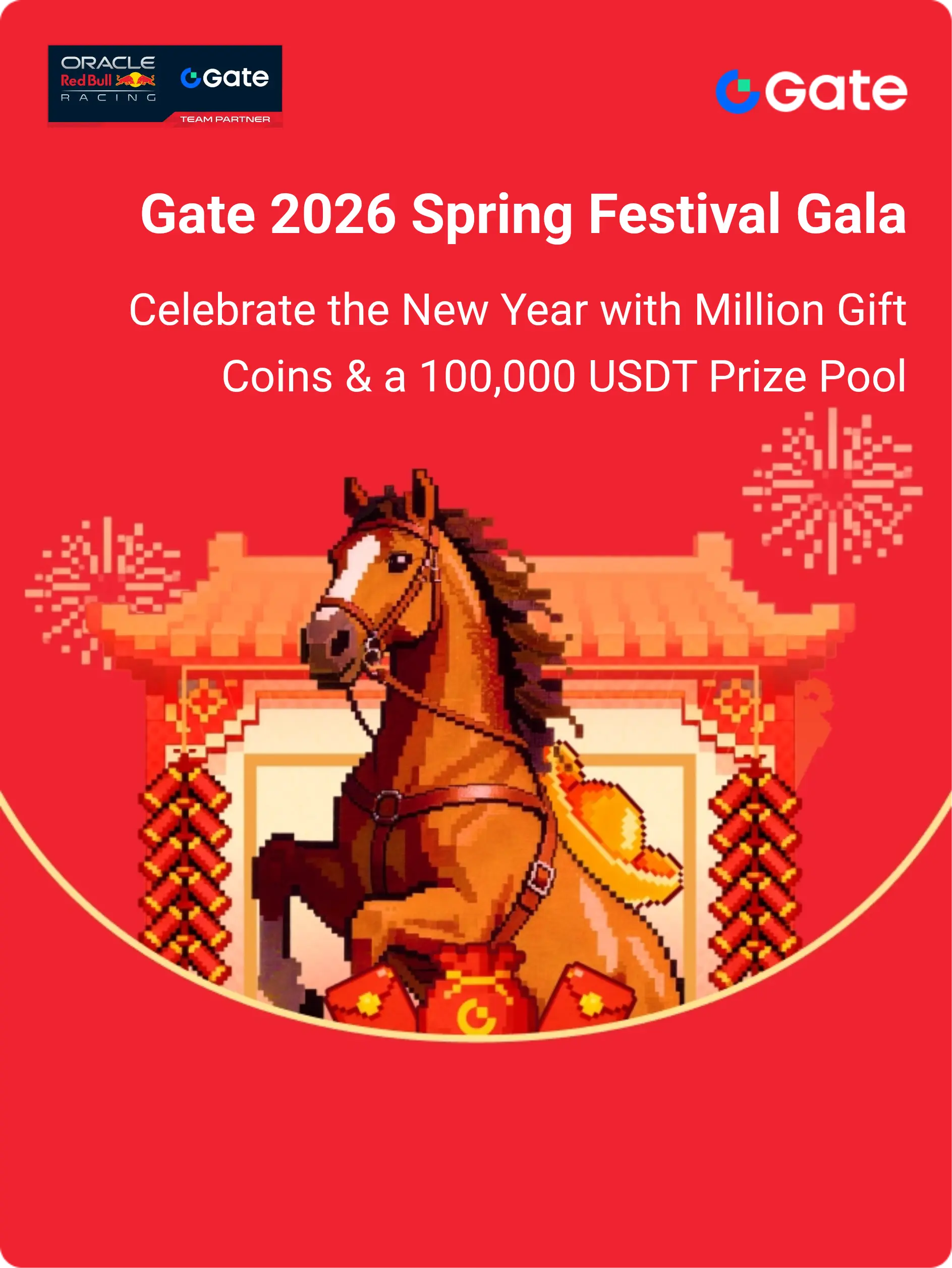
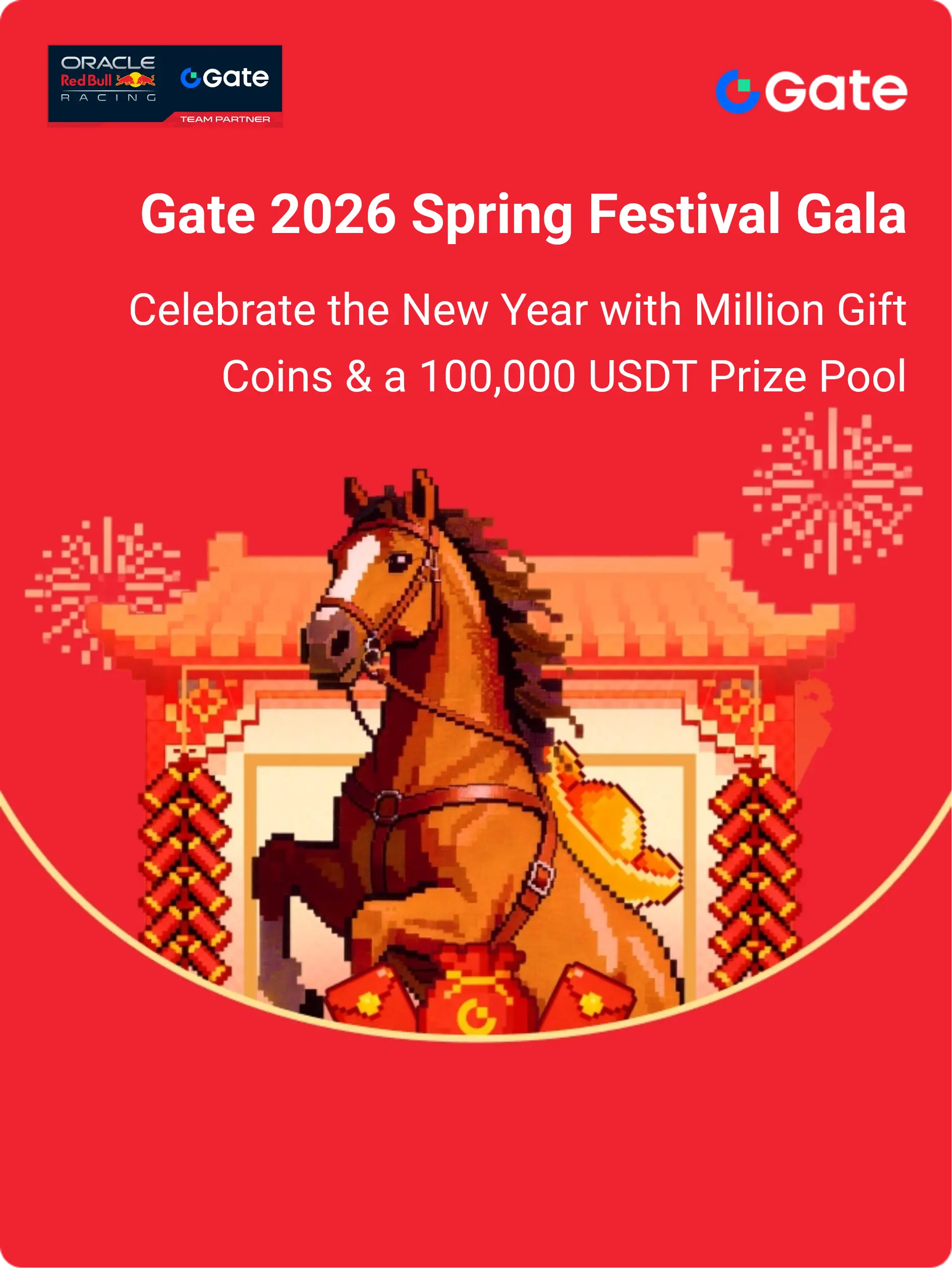
Join the horse racing predictions, complete tasks to earn horse racing tickets, enjoy daily million Gift Coins giveaways, and share a 100,000 USDT prize pool—all at the Gate 2026 Spring Festival Celebration. https://www.gate.com/competition/year-of-horse-2026?ref_type=165&utm_cmp=7EQB9Jba&ref=VLEQVQTDBG
- Reward
- like
- Comment
- Repost
- Share
#CelebratingNewYearOnGateSquare
Crypto $BTC
Price $69,764.20
Market Cap $1.39 Trillion
Open Interest $45.54 Billion
Funding Rate 0.0021%
24-Hour Trading Volume $75.46 Billion
24-Hour Liquidations $126.16 Million
Price Change (1 Hour ) 0.0300%
Price Change (24 Hours ) -1.7700%
Relative Strength Index (1 Hour/4 Hours/1 Day ) 46.80/47.08/32.88
Fear and Greed Index 10/100
Altcoin Season Index 39/100
#Cryptocurrencies
Crypto $BTC
Price $69,764.20
Market Cap $1.39 Trillion
Open Interest $45.54 Billion
Funding Rate 0.0021%
24-Hour Trading Volume $75.46 Billion
24-Hour Liquidations $126.16 Million
Price Change (1 Hour ) 0.0300%
Price Change (24 Hours ) -1.7700%
Relative Strength Index (1 Hour/4 Hours/1 Day ) 46.80/47.08/32.88
Fear and Greed Index 10/100
Altcoin Season Index 39/100
#Cryptocurrencies
BTC-3,15%
- Reward
- like
- Comment
- Repost
- Share
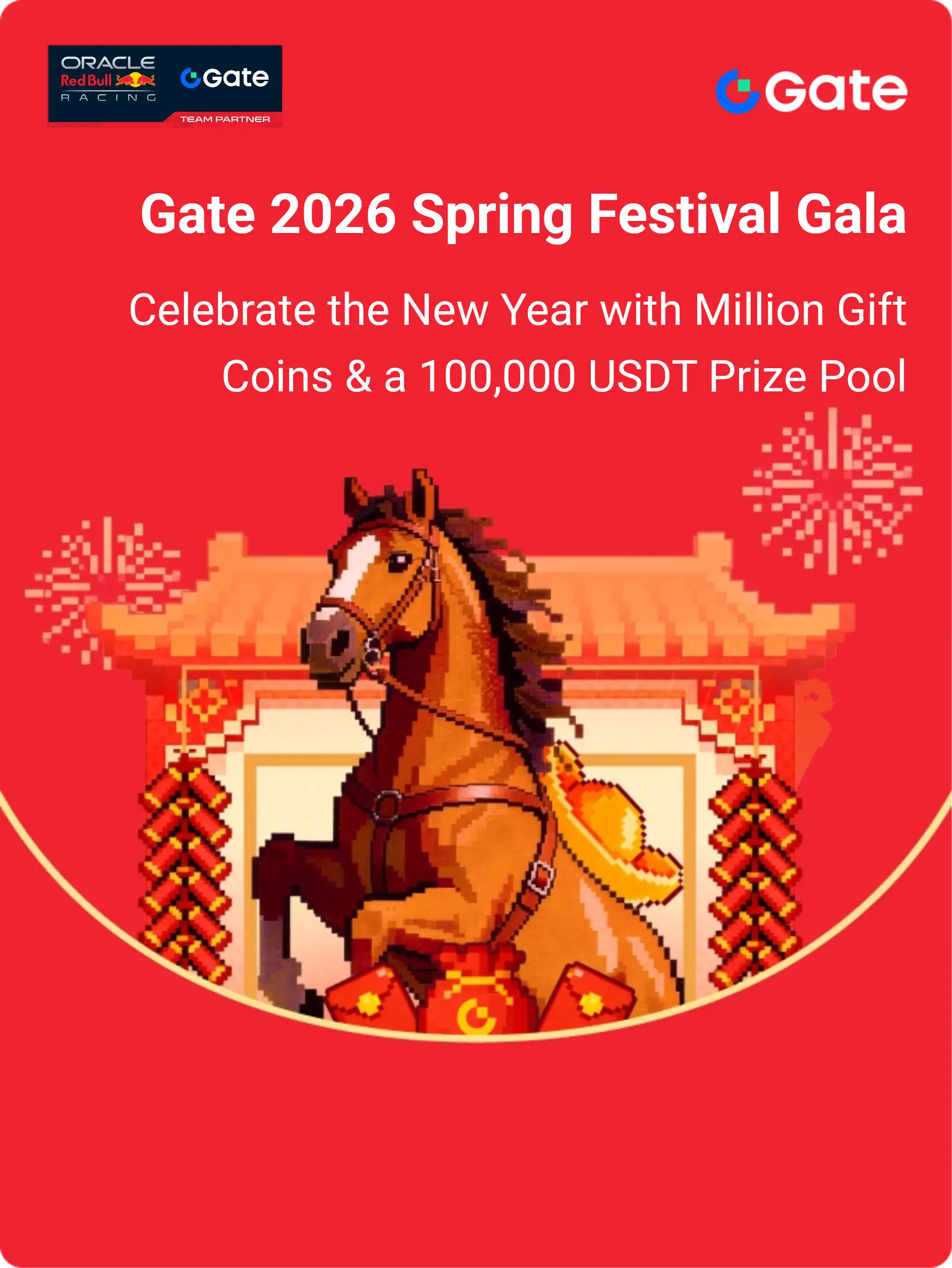
Join the horse racing predictions, complete tasks to earn horse racing tickets, enjoy daily million Gift Coins giveaways, and share a 100,000 USDT prize pool—all at the Gate 2026 Spring Festival Celebration. https://www.gate.com/competition/year-of-horse-2026?ref_type=165&utm_cmp=7EQB9Jba&ref=VLEQVQTDBG
- Reward
- 2
- 1
- Repost
- Share
Lock_433 :
:
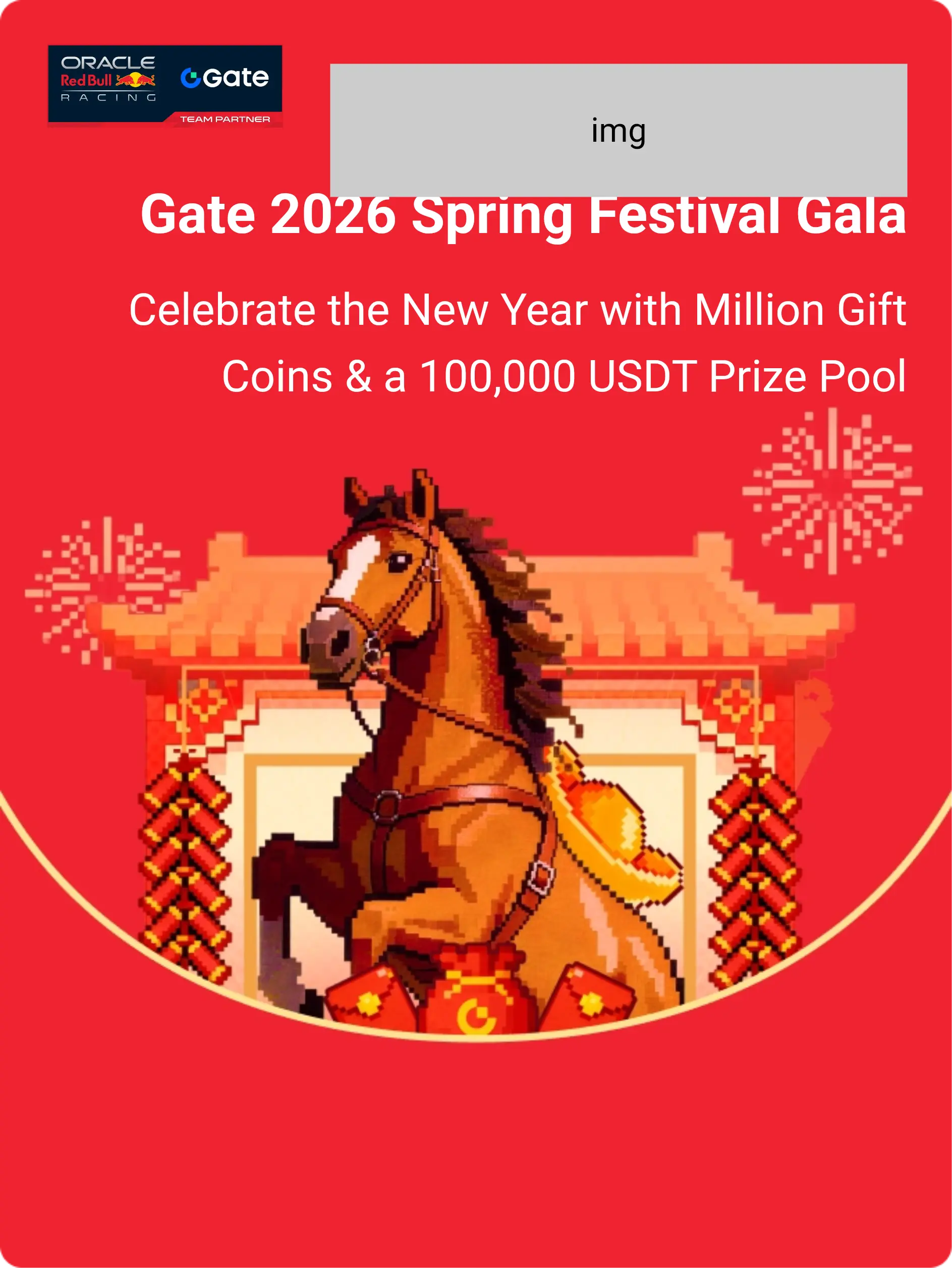
Buy To Earn 💎:Join the horse racing predictions, complete tasks to earn horse racing tickets, enjoy daily million Gift Coins giveaways, and share a 100,000 USDT prize pool—all at the Gate 2026 Spring Festival Celebration. https://www.gate.com/competition/year-of-horse-2026?ref_type=165&utm_cmp=7EQB9Jba&ref=VLEQVQTDBG
- Reward
- like
- Comment
- Repost
- Share
Join the horse racing predictions, complete tasks to earn horse racing tickets, enjoy daily million Gift Coins giveaways, and share a 100,000 USDT prize pool—all at the Gate 2026 Spring Festival Celebration. https://www.gate.com/competition/year-of-horse-2026?ref_type=165&utm_cmp=7EQB9Jba&ref=VLEQVQTDBG
- Reward
- like
- Comment
- Repost
- Share
#CelebratingNewYearOnGateSquare
#TopCoinsRisingAgainsttheTrend
In early 2026, the broader cryptocurrency market was under significant pressure, driven by macroeconomic uncertainty, tightening monetary policies, and overall risk-off sentiment across global financial markets. Bitcoin and Ethereum, the market leaders, experienced notable declines, reflecting investor caution and reassessment of risk assets. However, amidst this overall weakness, some digital assets demonstrated resilience and outperformance, rising against the trend. This phenomenon highlights the increasing complexity and segm
View Original#TopCoinsRisingAgainsttheTrend
In early 2026, the broader cryptocurrency market was under significant pressure, driven by macroeconomic uncertainty, tightening monetary policies, and overall risk-off sentiment across global financial markets. Bitcoin and Ethereum, the market leaders, experienced notable declines, reflecting investor caution and reassessment of risk assets. However, amidst this overall weakness, some digital assets demonstrated resilience and outperformance, rising against the trend. This phenomenon highlights the increasing complexity and segm
- Reward
- like
- Comment
- Repost
- Share

- Reward
- like
- Comment
- Repost
- Share

- Reward
- like
- Comment
- Repost
- Share

- Reward
- like
- Comment
- Repost
- Share
The cryptocurrency market is experiencing selling pressure and a general decline, with Bitcoin's price dropping to around $76,000 – $78,000 amid declining investor sentiment and outflows from Bitcoin and Ethereum trading funds. The total market capitalization is also decreasing while volatility remains high, with caution dominating trading activities.
View Original

- Reward
- 1
- Comment
- Repost
- Share
- Reward
- like
- Comment
- Repost
- Share
- Reward
- like
- Comment
- Repost
- Share
- Heavy selling operations of Bitcoin, Ethereum, and Ripple amid a general risk-avoidance trend in the market.
Bitcoin's price began to decline on Thursday, with a widespread risk aversion in global markets after the Federal Reserve halted its monetary easing cycle and kept interest rates unchanged on Wednesday. Federal Reserve Chairman Jerome Powell took a hawkish stance during the press conference following the meeting. The absence of any signals of future rate cuts led to decreased demand for high-risk assets such as Bitcoin and altcoins.
Geopolitical tensions in the Middle East, speculatio
Bitcoin's price began to decline on Thursday, with a widespread risk aversion in global markets after the Federal Reserve halted its monetary easing cycle and kept interest rates unchanged on Wednesday. Federal Reserve Chairman Jerome Powell took a hawkish stance during the press conference following the meeting. The absence of any signals of future rate cuts led to decreased demand for high-risk assets such as Bitcoin and altcoins.
Geopolitical tensions in the Middle East, speculatio
XRP-2,1%

- Reward
- 2
- 2
- Repost
- Share
Dhrom:
Will the decline continue, and if so, to what extent?:View More