 :
:








#RangeTradingStrategy
A volatile market trading strategy offers investors disciplined risk management and the opportunity to quickly seize opportunities during periods of high volatility. A range trading strategy, on the other hand, aims to achieve stable returns by buying and selling during consolidation phases where prices are squeezed between specific support and resistance levels. According to current data, as of March 27, 2026, the VIX index has reached 31.05, showing a 13.16% increase in the last day. This figure is approaching its highest levels since the tariff tensions in April 2025 and reflects the geopolitical risk premium created by the Iran war and the sharp rise in oil prices.
A volatile market trading strategy is particularly prominent in environments where the VIX index is above 30, utilizing elements such as stop-loss orders, hedging techniques, and reducing position sizes. Investors can rotate sectors using this approach, focusing on defense sectors or low-volatility stocks, while also employing options strategies such as Iron Condor and Straddle. For example, during the growth anxiety period of 2025, the low volatility factor index outperformed the overall market, and stocks like Berkshire Hathaway and Coca-Cola remained remarkably resilient. The strategy also supports scalping and swing trading to profit from short-term price fluctuations, but sudden breaks are prevented by setting stop levels with the average true range indicator in each trade.
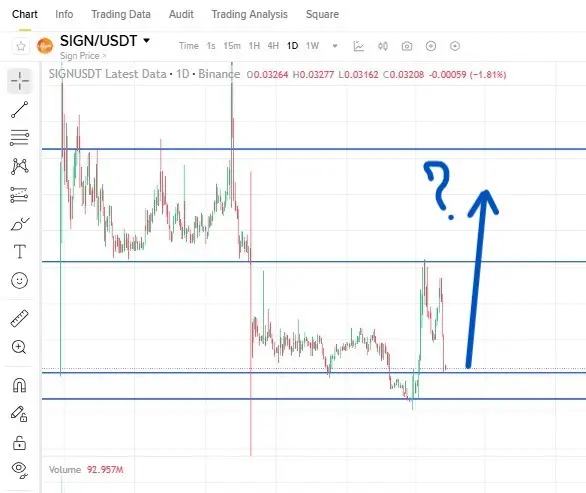
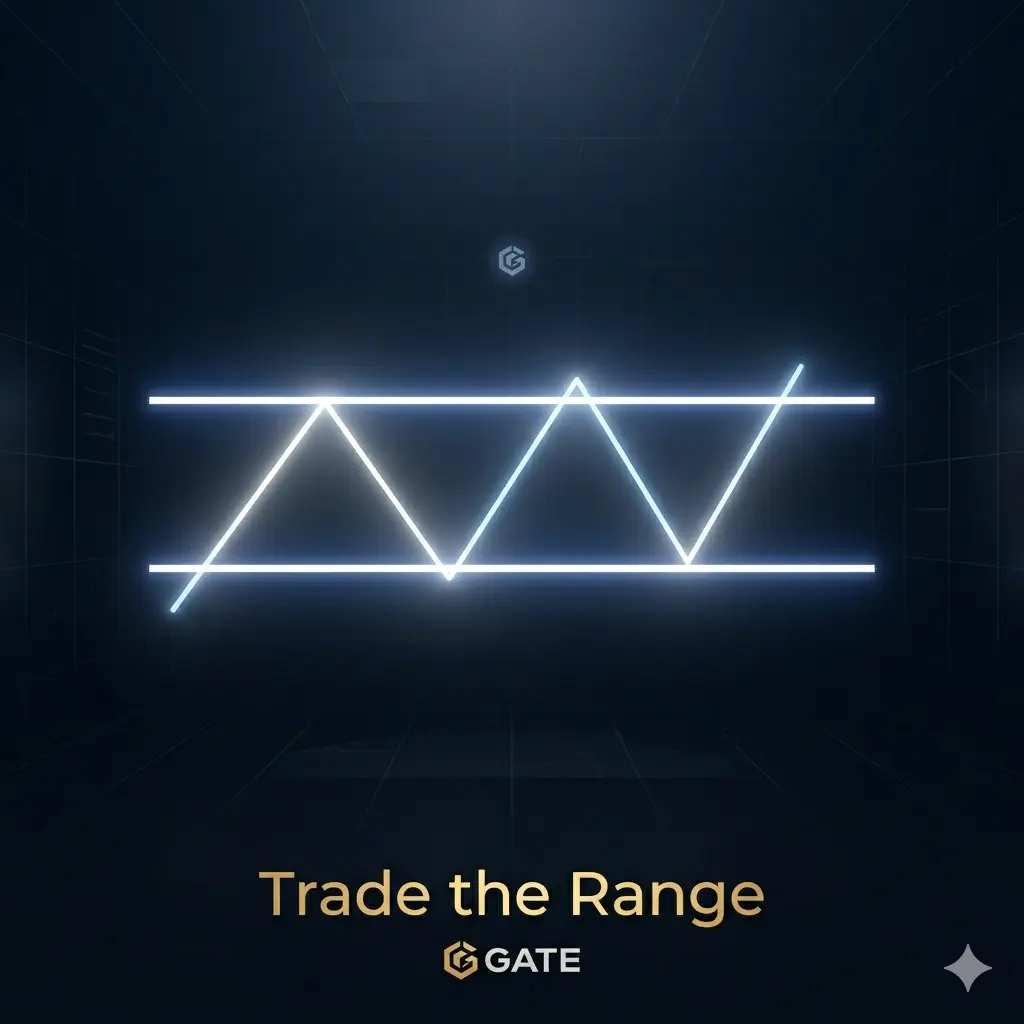
The range trading strategy, even with high volatility, creates repeatable returns by buying at support levels and selling at resistance levels during short-term range formations. While this approach is most effective in low-volatility consolidations, it can be adapted to the current geopolitical environment by determining dynamic ranges with the ATR indicator. For example, in assets like gold, a 3.7:1 reward-risk ratio was achieved per trade when buying at support and selling at resistance in a three-week range of $187 to $190, similar to January 2024. The strategy uses volatility-sensitive tools like Keltner channels or Donchian channels to automatically update ranges, and positions are protected by the ATR multiplier. Range trading can be applied even on short-term 30-minute charts during periods of high volatility, but positions should not be opened without breakout confirmation.
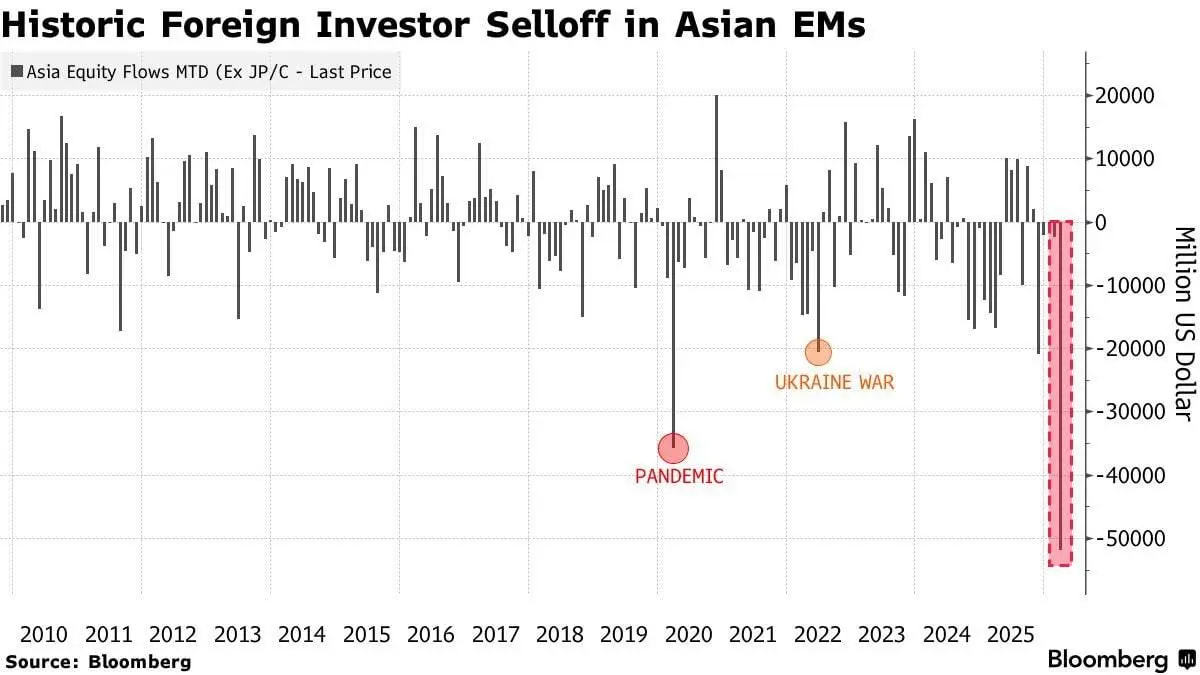
Both strategies should be applied with greater caution when combined with the oil shock stemming from the Iran war in March 2026 and record capital outflows from Asian markets. While the volatile market trading strategy minimizes risk, the range trading strategy provides stable profits from sideways market movements. Investors can combine these methods to diversify their portfolios, maintain tight stop-loss orders, and optimize position sizes by monitoring average true range data. The current market conditions, with the VIX index hovering around 31, indicate that both strategies have high potential in the short term.
#VolatileMarketTradingStrategy
A volatile market trading strategy offers investors disciplined risk management and the opportunity to quickly seize opportunities during periods of high volatility. A range trading strategy, on the other hand, aims to achieve stable returns by buying and selling during consolidation phases where prices are squeezed between specific support and resistance levels. According to current data, as of March 27, 2026, the VIX index has reached 31.05, showing a 13.16% increase in the last day. This figure is approaching its highest levels since the tariff tensions in April 2025 and reflects the geopolitical risk premium created by the Iran war and the sharp rise in oil prices.
A volatile market trading strategy is particularly prominent in environments where the VIX index is above 30, utilizing elements such as stop-loss orders, hedging techniques, and reducing position sizes. Investors can rotate sectors using this approach, focusing on defense sectors or low-volatility stocks, while also employing options strategies such as Iron Condor and Straddle. For example, during the growth anxiety period of 2025, the low volatility factor index outperformed the overall market, and stocks like Berkshire Hathaway and Coca-Cola remained remarkably resilient. The strategy also supports scalping and swing trading to profit from short-term price fluctuations, but sudden breaks are prevented by setting stop levels with the average true range indicator in each trade.
The range trading strategy, even with high volatility, creates repeatable returns by buying at support levels and selling at resistance levels during short-term range formations. While this approach is most effective in low-volatility consolidations, it can be adapted to the current geopolitical environment by determining dynamic ranges with the ATR indicator. For example, in assets like gold, a 3.7:1 reward-risk ratio was achieved per trade when buying at support and selling at resistance in a three-week range of $187 to $190, similar to January 2024. The strategy uses volatility-sensitive tools like Keltner channels or Donchian channels to automatically update ranges, and positions are protected by the ATR multiplier. Range trading can be applied even on short-term 30-minute charts during periods of high volatility, but positions should not be opened without breakout confirmation.
Both strategies should be applied with greater caution when combined with the oil shock stemming from the Iran war in March 2026 and record capital outflows from Asian markets. While the volatile market trading strategy minimizes risk, the range trading strategy provides stable profits from sideways market movements. Investors can combine these methods to diversify their portfolios, maintain tight stop-loss orders, and optimize position sizes by monitoring average true range data. The current market conditions, with the VIX index hovering around 31, indicate that both strategies have high potential in the short term.
#VolatileMarketTradingStrategy
 :
: