








 :
:
#OilPricesRise
#国际油价走高
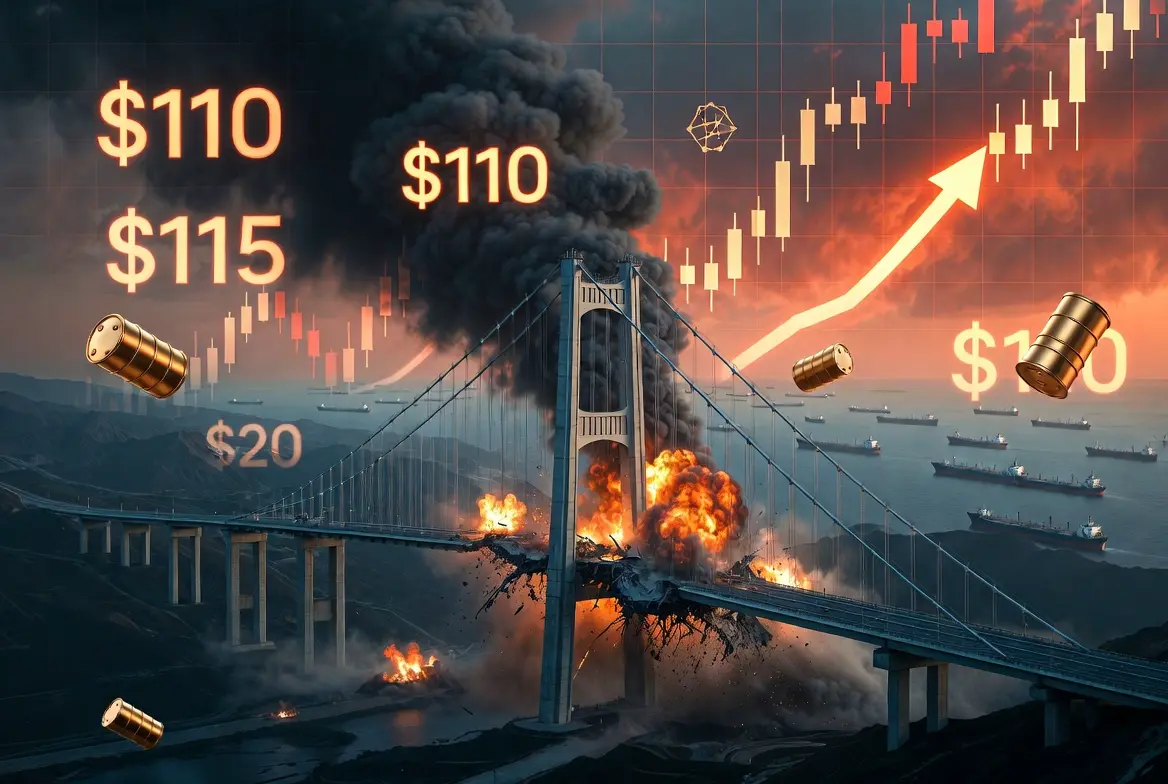
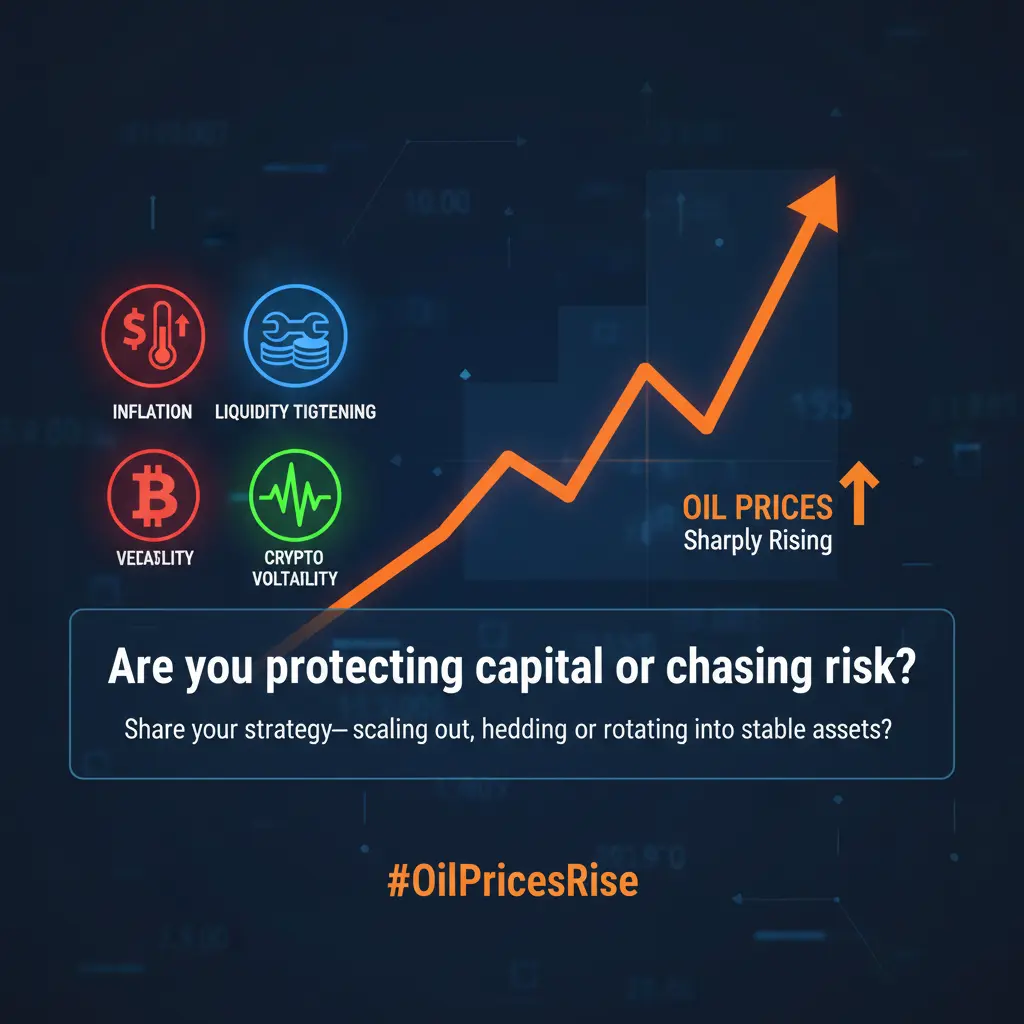
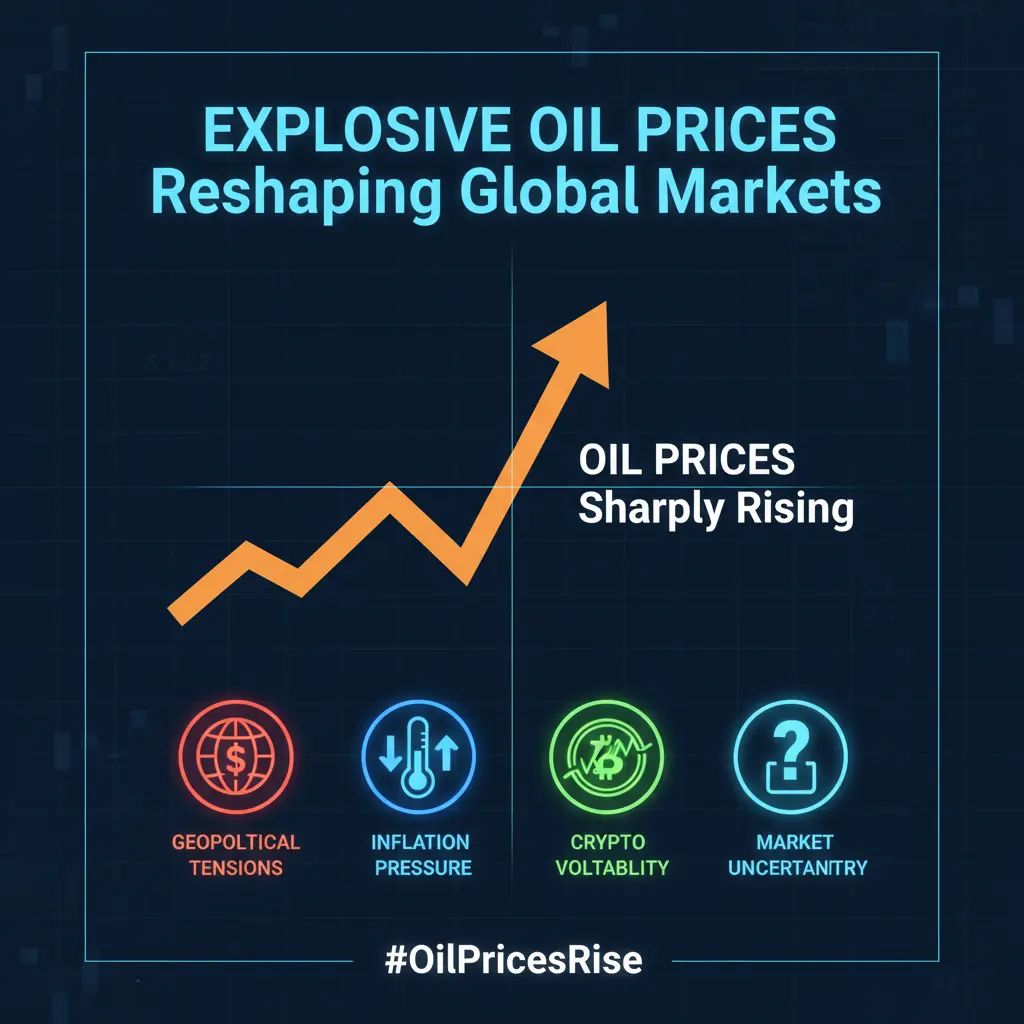
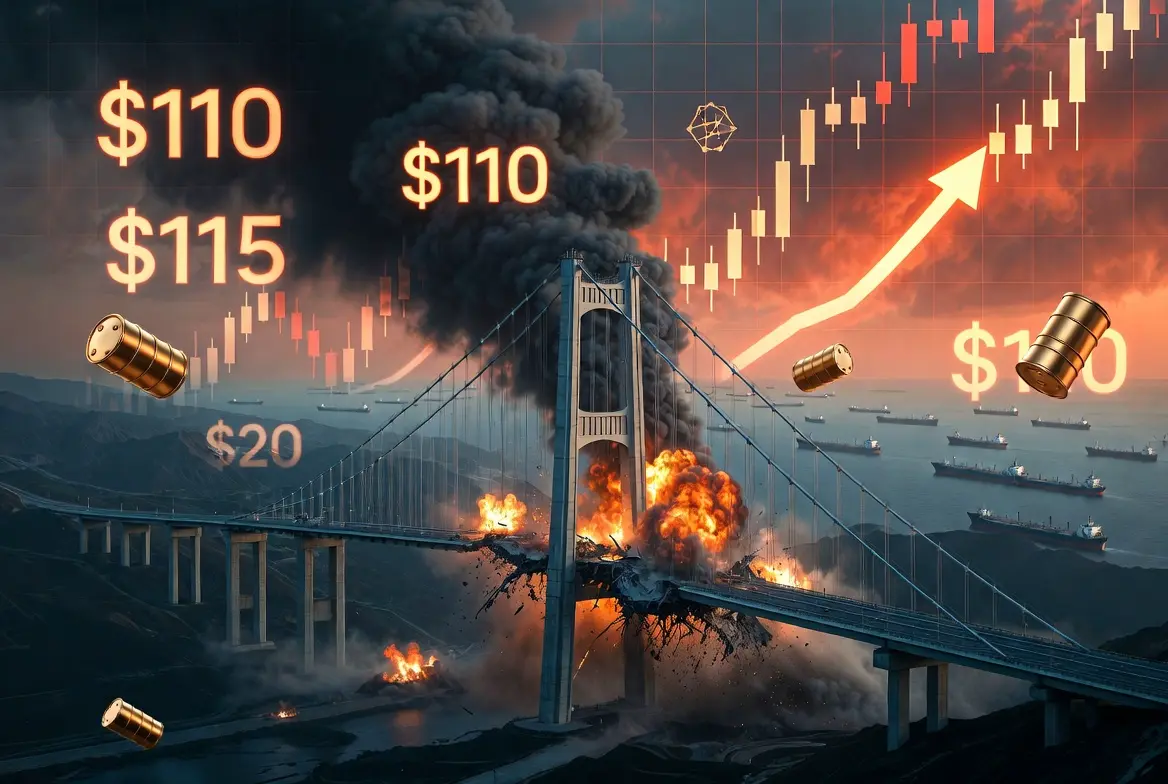
Tensions in the Middle East continue to escalate with each passing day. In particular, the recent strike on a major bridge near Karaj in western Iran has significantly heightened the situation in the region. Following this incident, reciprocal actions between the parties have accelerated, prompting a sharp response from energy markets. Crude oil prices have climbed to levels not seen in recent years, surpassing $110 per barrel, with some trades occurring in the $110–115 range. This surge recalls the peaks of 2022 and underscores the uncertainty surrounding global energy flows.
The conflicts in the region are particularly affecting critical sea lanes. Disruptions in the transport of oil and natural gas through the Strait of Hormuz are triggering supply concerns worldwide. This strait carries a substantial portion of global oil trade, and any interruption directly pushes prices higher. The volatility observed in recent weeks is challenging both producing countries and consumers alike. Rising costs for gasoline and energy are also fueling inflationary pressures, with some analyses suggesting this impact could persist throughout the year.
The question remains whether these developments can be brought under control or if they will spread to a broader area. Diplomatic efforts among regional actors are ongoing, yet military options remain on the table. On one hand, there are calls to prevent the tensions from spiraling rapidly; on the other, risks to energy infrastructure continue to support prices. Looking at history, supply disruptions in similar crisis periods have often been short-lived, but this time the situation in the strait and potential damage to infrastructure could lead to more lasting effects. Analysts expect prices to stay elevated for some time, with certain scenarios even discussing levels above $120.
For those who caught this oil fluctuation, strategy is key. In short-term moves, closely monitoring news flow on the supply side proves beneficial. Over the longer term, diversification and risk management stand out. Some investors view the upward trend as an opportunity and adjust their positions accordingly; however, given the high volatility, it is essential to stay prepared for sudden drops. Lessons from past experiences highlight how geopolitical events can quickly reverse market directions.
The reflection of such tensions on digital assets is also noteworthy. Increases in energy prices can dampen overall risk appetite, as investors shift toward safer havens while certain assets come under pressure. At the same time, shifts in inflation and interest rate expectations bring alternative investments to the forefront. The crypto market is becoming more closely linked with traditional commodity movements; at times when oil rises, inverse correlations can sometimes be observed. Still, everything depends on the news flow sudden developments can influence both sides.
Overall, this activity in energy markets closely concerns the global economy. It has a wide-reaching impact, from consumers to industry, and from transportation to production. How long prices will remain high depends on the course of the conflict and the speed at which diplomacy comes into play. Uncertainty currently prevails, so maintaining a balanced perspective and keeping up with the latest data seems like the most sensible approach.
What direction do you think these tensions will take? How do you assess the rise on the oil side? What are your thoughts on its effects on digital markets? Feel free to share your views perhaps this discussion will offer new perspectives for all of us.
#国际油价走高
Tensions in the Middle East continue to escalate with each passing day. In particular, the recent strike on a major bridge near Karaj in western Iran has significantly heightened the situation in the region. Following this incident, reciprocal actions between the parties have accelerated, prompting a sharp response from energy markets. Crude oil prices have climbed to levels not seen in recent years, surpassing $110 per barrel, with some trades occurring in the $110–115 range. This surge recalls the peaks of 2022 and underscores the uncertainty surrounding global energy flows.
The conflicts in the region are particularly affecting critical sea lanes. Disruptions in the transport of oil and natural gas through the Strait of Hormuz are triggering supply concerns worldwide. This strait carries a substantial portion of global oil trade, and any interruption directly pushes prices higher. The volatility observed in recent weeks is challenging both producing countries and consumers alike. Rising costs for gasoline and energy are also fueling inflationary pressures, with some analyses suggesting this impact could persist throughout the year.
The question remains whether these developments can be brought under control or if they will spread to a broader area. Diplomatic efforts among regional actors are ongoing, yet military options remain on the table. On one hand, there are calls to prevent the tensions from spiraling rapidly; on the other, risks to energy infrastructure continue to support prices. Looking at history, supply disruptions in similar crisis periods have often been short-lived, but this time the situation in the strait and potential damage to infrastructure could lead to more lasting effects. Analysts expect prices to stay elevated for some time, with certain scenarios even discussing levels above $120.
For those who caught this oil fluctuation, strategy is key. In short-term moves, closely monitoring news flow on the supply side proves beneficial. Over the longer term, diversification and risk management stand out. Some investors view the upward trend as an opportunity and adjust their positions accordingly; however, given the high volatility, it is essential to stay prepared for sudden drops. Lessons from past experiences highlight how geopolitical events can quickly reverse market directions.
The reflection of such tensions on digital assets is also noteworthy. Increases in energy prices can dampen overall risk appetite, as investors shift toward safer havens while certain assets come under pressure. At the same time, shifts in inflation and interest rate expectations bring alternative investments to the forefront. The crypto market is becoming more closely linked with traditional commodity movements; at times when oil rises, inverse correlations can sometimes be observed. Still, everything depends on the news flow sudden developments can influence both sides.
Overall, this activity in energy markets closely concerns the global economy. It has a wide-reaching impact, from consumers to industry, and from transportation to production. How long prices will remain high depends on the course of the conflict and the speed at which diplomacy comes into play. Uncertainty currently prevails, so maintaining a balanced perspective and keeping up with the latest data seems like the most sensible approach.
What direction do you think these tensions will take? How do you assess the rise on the oil side? What are your thoughts on its effects on digital markets? Feel free to share your views perhaps this discussion will offer new perspectives for all of us.