
Futures
Access hundreds of perpetual contracts
TradFi
Gold
One platform for global traditional assets
Options
Hot
Trade European-style vanilla options
Unified Account
Maximize your capital efficiency
Demo Trading
Introduction to Futures Trading
Learn the basics of futures trading
Futures Events
Join events to earn rewards
Demo Trading
Use virtual funds to practice risk-free trading
Launch
CandyDrop
Collect candies to earn airdrops
Launchpool
Quick staking, earn potential new tokens
HODLer Airdrop
Hold GT and get massive airdrops for free
Launchpad
Be early to the next big token project
Alpha Points
Trade on-chain assets and earn airdrops
Futures Points
Earn futures points and claim airdrop rewards


More


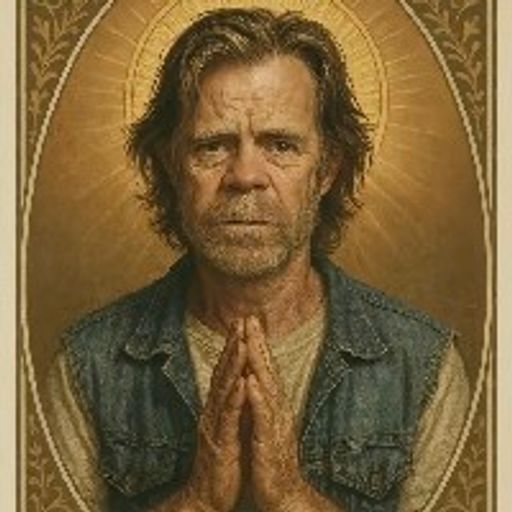

Been thinking about what actually separates strong people from weak ones lately. It's not about physical strength or money—it's more about character and how you handle yourself when things get tough.
I've noticed that people who struggle most often have a few things in common. First, they can't set boundaries. They say yes to everything, avoid saying no because they fear conflict or disappointing others. That's exhausting and usually leads to being taken advantage of. Real strength is knowing your limits and expressing them clearly.
Then there's the escapism trap. Some people numb themselves through various addictions—whether it's excessive content consumption, gaming, or other distractions. It's usually a way to avoid dealing with real problems or emotional pain. The thing is, avoidance never solves anything. It just delays the inevitable while eating away at your motivation and relationships.
Here's what I think reveals signs of weakness in a person most clearly: a victim mentality. When someone believes they can't change their situation, that fate or circumstances control everything, they give away all their power. Strong individuals take responsibility. They understand that while they can't control everything, they can control their effort, mindset, and response.
Self-control seems like a basic thing, but it separates people more than almost anything else. Someone who can't resist their bad habits—procrastination, smoking, poor sleep, overeating—stays stuck in cycles that prevent real growth. Weakness shows up as the inability to do hard things even when you know they matter.
I've also noticed that people with weak character often gossip instead of addressing issues directly. It takes courage to have difficult conversations face-to-face. It's easier to criticize someone when they're not around. But that behavior destroys trust and reveals insecurity.
How someone handles feedback tells you a lot about them. Defensive reactions to criticism, even constructive feedback, show emotional immaturity. Strong people see feedback as information they can use to improve. Weak individuals treat it as a personal attack on their worth.
Another pattern: people who constantly shift their beliefs based on what others think. Living for approval, changing your opinions based on public opinion—that's not strength, that's fragmentation. It's impossible to be authentic or consistent when you're always trying to please everyone else.
Action separates the strong from the weak too. Overthinking, procrastination, hesitation—these usually come from fear. Fear of failure, fear of judgment, fear of the unknown. Strong people move forward anyway. Weak ones stay paralyzed.
I notice weak people also externalize everything. Everyone else is the problem. Everyone else is at fault. That mindset guarantees you'll never grow because you never take responsibility. Strong people look inward first.
Then there's the discipline question. Consistently choosing short-term pleasure over long-term benefit—partying instead of studying, scrolling instead of working—that's not living, that's drifting. It leads to regrets and missed opportunities.
Some people just float through life waiting for someone else to decide for them. No initiative, no intention, no direction. That's passivity, and it's a form of weakness. Being proactive about your life, taking charge of your decisions—that's what strength looks like.
Low self-esteem is another big one. Chronic negative self-talk, feeling bad about yourself constantly—that's deep inner weakness. Everyone has doubts, but strong people work on building themselves up rather than letting self-hatred run the show.
Finally, relationships require effort. People who isolate, avoid communication, or let friendships fade—sometimes it's laziness, sometimes it's fear of vulnerability, sometimes it's just self-absorption. But maintaining real connections takes emotional strength and intention.
The thing is, recognizing these signs of weakness in a person—whether that's you or someone else—isn't about judgment. It's about awareness. We all have areas where we could be stronger. The first step to changing anything is seeing it clearly. That's where real growth begins.