

Trade
Basic
Futures
Futures
Hundreds of contracts settled in USDT or BTC
TradFi
Gold
Trade global traditional assets with USDT in one place
Options
Hot
Trade European-style vanilla options
Unified Account
Maximize your capital efficiency
Demo Trading
Futures Kickoff
Get prepared for your futures trading
Futures Events
Participate in events to win generous rewards
Demo Trading
Use virtual funds to experience risk-free trading
Earn
Launch
CandyDrop
Collect candies to earn airdrops
Launchpool
Quick staking, earn potential new tokens
HODLer Airdrop
Hold GT and get massive airdrops for free
Launchpad
Be early to the next big token project
Alpha Points
Trade on-chain assets and enjoy airdrop rewards!
Futures Points
Earn futures points and claim airdrop rewards
Investment
Simple Earn
Earn interests with idle tokens
Auto-Invest
Auto-invest on a regular basis
Dual Investment
Buy low and sell high to take profits from price fluctuations
Soft Staking
Earn rewards with flexible staking
Crypto Loan
0 Fees
Pledge one crypto to borrow another
Lending Center
One-stop lending hub
VIP Wealth Hub
Customized wealth management empowers your assets growth
Private Wealth Management
Customized asset management to grow your digital assets
Quant Fund
Top asset management team helps you profit without hassle
Staking
Stake cryptos to earn in PoS products
Smart Leverage
New
No forced liquidation before maturity, worry-free leveraged gains
GUSD Minting
Use USDT/USDC to mint GUSD for treasury-level yields

More





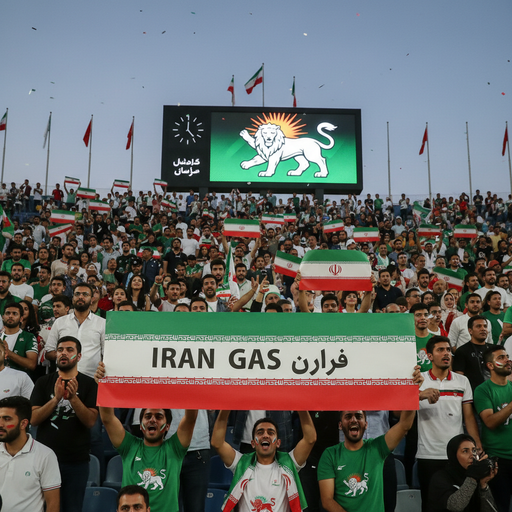

#美伊局势影响
#تأثير The situation between the US and Iran
Friends, traders, and analysts — with Bitcoin trading around $67,000–$69,000, gold holding above $5,300 per ounce, and Brent crude oil near $81–$83 per barrel, global markets are navigating a highly volatile and politically sensitive phase. The escalation in the confrontation between Israel and Iran has shifted from regional tension to a macro risk event, directly impacting energy markets, safe-haven flows, inflation expectations, and digital assets.
This is no longer a local geopolitical story — it’s a global pricing event.
🌍 Geopolitical Catalyst
The Middle East escalation includes strategic strikes, missile and drone responses, and increased regional proxy interventions. The Strait of Hormuz remains the key pressure point, a vital corridor for oil transportation. Even minor disruptions increase shipping insurance costs, slow down freight movement, and immediately add a risk premium to oil markets.
Markets react through three channels:
• Supply disruption (Oil)
• Capital preservation (Gold)
• Liquidity shifts and sentiment (Bitcoin)
Understanding this distinction is essential for positioning.
🛢 Crude Oil — Supply Shock Indicator
Currently trading above $80, Brent reflects geopolitical risks rather than organic demand growth. Oil is the primary asset that responds during Middle East instability because it directly reflects supply chain fragility.
If disruptions persist, oil could test levels of $90–$100+. However, if diplomatic efforts reopen shipping routes or strategic reserves are released, prices could quickly retreat. Oil is highly sensitive to headlines and military developments.
Oil is not a traditional safe haven. It rises because it increases inflation expectations due to supply risks. This makes it strong but unstable. Rising oil prices directly impact the global consumer price index, pressure central banks, and tighten financial conditions.
💰 Gold — The Core Safe-Haven Asset
Gold remains the strongest defensive asset in this environment, trading near its all-time highs. Unlike oil, gold benefits from the same uncertainty. It absorbs both short-term geopolitical fears and long-term inflation hedging demand.
If tensions continue, gold could extend toward $5500–$5800. Any sudden ceasefire might cause a temporary pullback, but structurally, gold remains supported by:
• Inflation fears from rising energy prices
• Currency weakness in import-dependent economies
• Central bank diversification strategies
• Declining confidence in fiat currency stability
Gold performs better when uncertainty prolongs.
₿ Bitcoin — The Sensitive Macro Asset
Bitcoin trades within a volatile range near $67,000–$69,000. Its behavior during this crisis has fueled a key debate: Is Bitcoin a safe haven or a risk asset?
So far, Bitcoin acts more like a highly volatile macro asset than a defensive hedge. During initial escalation, Bitcoin tends to decline along with stocks as investors reduce risk. However, it can rebound strongly if inflation fears subside and fiat currencies weaken, or if liquidity outlooks improve.
Main support for Bitcoin is around $65,000, with resistance near $70,000–$72,000. It remains sentiment-driven. If global liquidity tightens due to delays in rate cuts, Bitcoin may struggle. Conversely, if risk appetite returns, Bitcoin could accelerate upward.
Bitcoin is not yet a pure geopolitical hedge — it amplifies volatility linked to liquidity cycles.
⚖️ Crude Oil vs. Gold vs. Bitcoin — Strategic Comparison
Crude oil reflects fears of immediate supply and inflation shocks.
Gold reflects systemic uncertainty and capital preservation.
Bitcoin reflects liquidity sentiment and risk appetite.
Oil moves first, gold stabilizes in portfolios, and Bitcoin amplifies sentiment.
Each asset plays a distinct role in this macro cycle.
❓ Key Market Questions
1️⃣ How long might the conflict last?
Analysts estimate it could last several weeks if escalation continues. Proxy interventions could extend uncertainty for months. The duration will determine whether current price levels turn into sustainable trends.
2️⃣ Are oil and gold entering multi-month bullish phases?
Oil remains bullish if supply disruptions persist. Gold’s bullish stance is stronger because it doesn’t rely solely on logistics — it benefits from prolonged uncertainty.
3️⃣ Is it a good time to accumulate Bitcoin?
Partial accumulation near strong strategic support levels may be advisable, but exposure should remain limited due to volatility and dependence on macro conditions.
4️⃣ What about the local economic impact (Pakistan and other import-dependent economies)?
Rising oil prices increase fuel costs, transportation expenses, and inflation pressures. Currency risks heighten. Gold jewelry prices track global spot prices. Bitcoin adoption may increase in volatile currency environments, but its price remains driven globally.
🔮 Future Scenario Outlook (In Paragraph Format)
If escalation intensifies and shipping disruptions continue, oil could jump toward $90–$100, gold could rebound toward $5500–$5800, and Bitcoin may remain volatile within the range of $64,000–$70,000 as markets balance fear and liquidity uncertainty. In a stabilization scenario where tensions persist but do not escalate further, oil may hover around $76–$82, gold could trade sideways near current levels, and Bitcoin could gradually recover toward resistance levels as confidence stabilizes. However, rapid diplomatic progress or de-escalation could sharply correct oil prices as risk premiums fade, gold might see a temporary decline of 5–10%, and Bitcoin could rebound strongly as global markets return to risk-on mode.
🔥 Inflation and Central Bank Impact
Rising oil prices increase global inflation expectations. This may delay rate cuts by major central banks, tightening liquidity conditions. Gold benefits from ongoing inflation risks, while Bitcoin only benefits if liquidity expands later. Oil-driven inflation creates a complex balancing act for economic policies.
⚠️ Final Summary
Markets are at a rare turning point:
• Oil reflects geopolitical supply shocks
• Gold dominates as a primary safe haven
• Bitcoin reacts to liquidity and risk sentiment
Volatility is high, but so are opportunities. Strategic investors should diversify portfolios between defensive and risk assets, avoid emotional trading, manage exposure carefully, and continuously monitor geopolitical developments.