

Trade
Basic
Futures
Futures
Hundreds of contracts settled in USDT or BTC
TradFi
Gold
Trade global traditional assets with USDT in one place
Options
Hot
Trade European-style vanilla options
Unified Account
Maximize your capital efficiency
Demo Trading
Futures Kickoff
Get prepared for your futures trading
Futures Events
Participate in events to win generous rewards
Demo Trading
Use virtual funds to experience risk-free trading
Earn
Launch
CandyDrop
Collect candies to earn airdrops
Launchpool
Quick staking, earn potential new tokens
HODLer Airdrop
Hold GT and get massive airdrops for free
Launchpad
Be early to the next big token project
Alpha Points
Trade on-chain assets and enjoy airdrop rewards!
Futures Points
Earn futures points and claim airdrop rewards
Investment
Simple Earn
Earn interests with idle tokens
Auto-Invest
Auto-invest on a regular basis
Dual Investment
Buy low and sell high to take profits from price fluctuations
Soft Staking
Earn rewards with flexible staking
Crypto Loan
0 Fees
Pledge one crypto to borrow another
Lending Center
One-stop lending hub
VIP Wealth Hub
Customized wealth management empowers your assets growth
Private Wealth Management
Customized asset management to grow your digital assets
Quant Fund
Top asset management team helps you profit without hassle
Staking
Stake cryptos to earn in PoS products
Smart Leverage
New
No forced liquidation before maturity, worry-free leveraged gains
GUSD Minting
Use USDT/USDC to mint GUSD for treasury-level yields

More


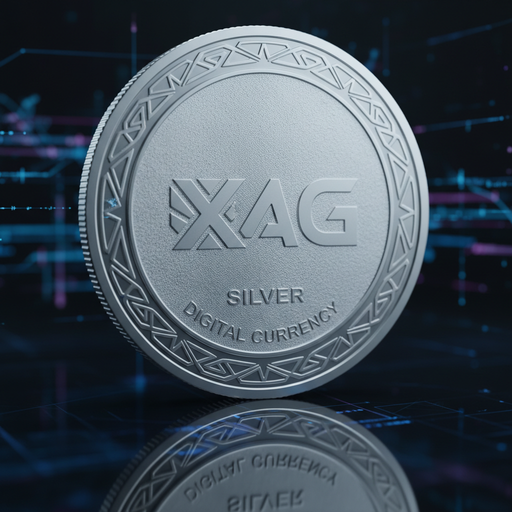
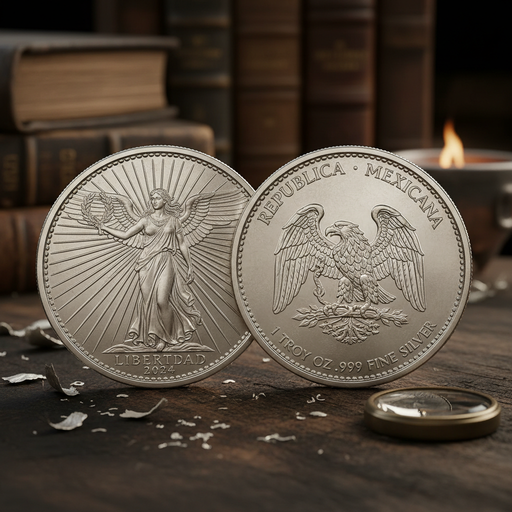


Understanding What Makes a Coin Valuable: 8 Essential Factors Every Collector Should Know
Discovering a valuable coin isn’t just about luck—it’s about understanding the specific characteristics that separate ordinary pocket change from genuinely precious collectibles. Whether you’ve inherited an old penny or inherited an antique coin, knowing what makes a coin valuable can help you determine if you’re sitting on a fortune or simply holding a bit of history.
The value of rare and collectible coins depends on multiple interconnected factors, not just one or two obvious traits. Let’s explore the eight key elements that seriously impact coin worth and help both seasoned collectors and curious newcomers make informed assessments.
Scarcity and Market Demand Shape Coin Worth
The fundamental principle driving what makes a coin valuable centers on supply and demand—the same economic principle that governs most markets. A rare coin isn’t necessarily valuable just because only a handful exist; it must also attract active collector interest.
“A couple dozen of any coin sure sounds pretty rare, doesn’t it?” noted Joshua McMorrow-Hernandez, a numismatic expert and journalist with Gainesville Coins. “But is it all that rare if only, say, five or 10 people want an example of a coin with 20 or 30 survivors?”
Think of it like fine real estate: a scarce property only commands premium prices when multiple buyers compete for it. Similarly, a coin with modest survival numbers but strong collector demand will appreciate far more than an extremely rare coin that few people seek. The desirability factor directly influences what makes a coin valuable in the modern marketplace.
Why Age Doesn’t Always Equal Value in Coin Collecting
Here’s where many casual collectors get it wrong: the oldest coins aren’t necessarily the most valuable. While antiquity certainly contributes to collectibility, it’s far from being the dominant factor.
Mike Fuljenz, president of Universal Coin and Bullion, explained the nuanced relationship: “The age of a coin can also contribute to rarity and value as older coins were often mishandled or cleaned over time thus resulting in fewer specimens with coveted original luster and surfaces.”
However, Donn Pearlman, spokesman for the Professional Numismatists Guild and former member of the Board of Governors of the American Numismatic Association (representing 26,000 members), offers important context: “Some historic 2,000-year-old Roman bronze coins are so common and easily available that they can be purchased for as little as $25 or $50 each.”
The key takeaway: ancient provenance alone doesn’t guarantee valuable coin status. Coins must have survived in limited quantities and attracted sustained collector interest over time.
Mintage Numbers: A Critical but Misunderstood Metric
Mintage refers to the official count of how many examples of a specific coin were produced at its origin. Generally, lower mintage numbers suggest fewer specimens exist, theoretically driving up what makes a coin valuable.
“Low mintages often lead to lower survival rates for older coins,” Fuljenz noted. “Lower mintage coins are also coveted by many collectors, which can help increase their numismatic value.”
Yet collectors frequently make the mistake of fixating on mintage numbers as the definitive indicator of value. As McMorrow-Hernandez pointed out: “[Mintage] gives us a number on how many specimens may exist in the largest possible pool of a certain coin. But too many collectors fixate on mintage numbers alone when they should really be more concerned about a coin’s population estimate.”
In other words, the official production numbers tell only part of the story about what makes a coin valuable.
Population Estimates Reveal True Rarity Beyond Raw Numbers
This brings us to population estimate—the actual number of surviving examples currently in collections, holdings, and circulation. This metric often diverges significantly from the original mintage figures.
Consider the 1921 Morgan dollar as a practical example: “We know 44.6 million 1921 Morgan dollars were struck at the Philadelphia Mint that year,” McMorrow-Hernandez wrote for Gainesville Coins. “The reality is that a far lower number of these coins remain today. Losses through theft, fire, burial and melting have reduced the numbers of available 1921 Morgan dollars to a much smaller total than records show.”
Population estimates directly influence what makes a coin valuable because they reflect the actual scarcity collectors face in the real market, not just historical production figures. This distinction matters enormously when assessing true collectible worth.
Condition Often Matters More Than Age for Coin Value
Here’s a revelation that surprises many: condition frequently outweighs age when determining what makes a coin valuable. A well-preserved common-date coin can easily fetch more than a heavily circulated rare-date coin from the same era.
“For example, an uncirculated late 1800s Indian Head penny or V nickel may be worth many times the value of a circulated condition coin from the same year,” explained Tony Davis, owner of Atlanta Gold & Coin Buyers.
The rarity of truly well-preserved antique coins amplifies their value exponentially. As Pearlman pointed out with a striking contrast: “Tens of millions of Liberty Head design nickels were made at the United States Mint in Philadelphia from the late 1880s to early 1900s, and most of them in circulated condition may be worth only a few dollars each. But that same otherwise common coin, in pristine mint state, uncirculated condition can be worth hundreds or even thousands of dollars.”
Proper handling becomes critical to preserving potential value. “Be especially careful not to touch the face or reverse of an old well-preserved coin, as oils from your skin can tarnish the coin; thus reducing its value,” Davis advised.
Design and Aesthetic Appeal Drive Collector Interest
Every coin tells a story through its design—and these visual narratives significantly influence what makes a coin valuable. Collectors consistently pay premiums for coins with attractive, historically significant designs.
“The design of a coin communicates all kinds of cultural, historical and patriotic themes,” explained McMorrow-Hernandez. “This endearing feature of coins has been common to all peoples in recorded world history. Whether the design is of an emperor or indigenous fauna, it is a reflection of cultural values.”
Preference for aesthetic appeal explains why certain designs command higher prices than others. “Beautiful coin designs are collected more often by collectors than less desirable designs,” noted Fuljenz. He illustrated this with specific examples: a Walking Liberty half-dollar attracts more collector enthusiasm than earlier Barber or later Franklin half-dollar designs. Perhaps the most celebrated design preference involves the Saint Gaudens Double-Eagle, “which is considered by many to be one of the most beautiful coin designs ever created.”
Design desirability represents another significant element of what makes a coin valuable in today’s collector marketplace.
Precious Metal Content: The Bullion Value Foundation
The physical composition of a coin establishes a baseline value floor. Coins minted from copper, nickel, or other common metals carry considerably less inherent worth than those crafted from precious metals like gold, silver, platinum, or palladium.
“The bullion content of gold, platinum or silver coins adds to the desirability of a collectible coin for many collectors,” Fuljenz emphasized. “Also, precious metal coins containing gold, silver or platinum have no sales tax in many states, but copper and nickel coins do.”
Precious metal composition adds both intrinsic value and tax advantages, making it an important consideration when evaluating what makes a coin valuable beyond its numismatic rarity value.
Finding Expert Guidance: Your Roadmap to Coin Appraisal
If you believe you’ve discovered a valuable coin, expert evaluation becomes essential before making any decisions about cleaning, selling, or displaying your find.
“If you believe you have a rare coin, find a reputable coin dealer, who is honored in the industry and belongs to numismatic trade organizations, and have them review your coins with you,” Fuljenz advised. “Also, because of mishandling or a lack of knowledge, many historic older coins have been lost or melted over time and thus are less available to today’s collectors.”
Never attempt to clean or modify a potentially valuable coin—this action can permanently reduce its worth. Instead, handle it carefully and seek evaluation from certified professionals affiliated with recognized industry organizations.
Understanding these eight factors—demand, age context, mintage, population estimates, condition, design appeal, bullion content, and expert assessment—provides a comprehensive framework for anyone seeking to understand what makes a coin valuable. Whether you’re a serious collector or someone who’s simply curious about that old coin sitting in a drawer, this knowledge empowers you to make informed evaluations and appreciate the complex elements that separate ordinary coins from genuinely precious collectibles.