

Trade
Basic
Futures
Futures
Hundreds of contracts settled in USDT or BTC
TradFi
Gold
Trade global traditional assets with USDT in one place
Options
Hot
Trade European-style vanilla options
Unified Account
Maximize your capital efficiency
Demo Trading
Futures Kickoff
Get prepared for your futures trading
Futures Events
Participate in events to win generous rewards
Demo Trading
Use virtual funds to experience risk-free trading
Earn
Launch
CandyDrop
Collect candies to earn airdrops
Launchpool
Quick staking, earn potential new tokens
HODLer Airdrop
Hold GT and get massive airdrops for free
Launchpad
Be early to the next big token project
Alpha Points
Trade on-chain assets and enjoy airdrop rewards!
Futures Points
Earn futures points and claim airdrop rewards
Investment
Simple Earn
Earn interests with idle tokens
Auto-Invest
Auto-invest on a regular basis
Dual Investment
Buy low and sell high to take profits from price fluctuations
Soft Staking
Earn rewards with flexible staking
Crypto Loan
0 Fees
Pledge one crypto to borrow another
Lending Center
One-stop lending hub
VIP Wealth Hub
Customized wealth management empowers your assets growth
Private Wealth Management
Customized asset management to grow your digital assets
Quant Fund
Top asset management team helps you profit without hassle
Staking
Stake cryptos to earn in PoS products
Smart Leverage
New
No forced liquidation before maturity, worry-free leveraged gains
GUSD Minting
Use USDT/USDC to mint GUSD for treasury-level yields

More




Pola Candle Bearish Engulfing: Complete Guide to Identifying Reversal Signals
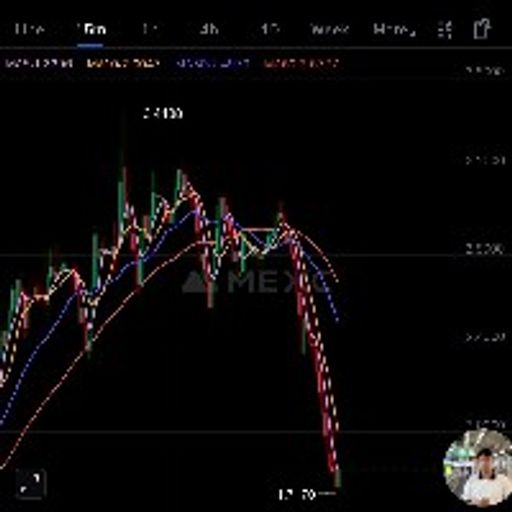
Engulfing is one of the most important candlestick patterns in technical trading analysis. This pattern forms when a candle completely engulfs the body of the previous candlestick, noting that shadows (upper and lower wicks) are not considered in the assessment. To accurately identify a bearish candle engulfing pattern, traders need to understand its formation mechanism and specific requirements.
Understanding Engulfing as a Trend Reversal Signal
Engulfing is a highly significant candlestick formation because it indicates a potential trend reversal. This pattern does not stand alone—its presence is always preceded by an established trend condition. Whether in an uptrend or downtrend, engulfing appears as a sign that market momentum is shifting and that buyers or sellers are renegotiating their positions.
The main requirements for the formation of each engulfing pattern are:
Difference Between Bearish and Bullish Engulfing Patterns
Bearish engulfing and bullish engulfing are two sides of the same phenomenon but with opposite implications. Bearish engulfing occurs in a bullish (uptrend) context when the first candle is small and green (bullish), followed by a larger red (bearish) candle that engulfs the entire green candle body.
Conversely, bullish engulfing appears in a bearish (downtrend) context when the first candle is a small red (bearish) candle, followed by a larger green (bullish) candle that engulfs the previous red body. The trend context difference is crucial—engulfing only becomes a valid signal if it appears within an already established trend.
Technical Criteria for Bearish Candle Engulfing
Bearish engulfing has three main criteria that must be met for it to be considered a valid formation:
Body size: The length of the bearish candle’s body must be larger than the previous bullish candle’s body. The greater the size difference, the stronger the reversal signal.
Low price: The lowest price of the bearish candle must break below the previous bullish candle’s lowest price. This indicates sellers’ effort to dominate the price movement.
Close price (optional): The close of the bearish candle is below the previous bullish candle’s high price. Although not mandatory, this criterion strengthens the validity of the bearish signal.
Differentiating Bullish Engulfing and Other Important Aspects
To avoid false signals, traders must clearly distinguish between bearish candle engulfing and bullish engulfing. In bullish engulfing, the conditions are reversed— the high price of the bullish candle must be higher than the previous bearish candle, and the close of the bullish candle must surpass the previous bearish high (optional).
Other important elements often overlooked:
By thoroughly understanding the mechanism of bearish candle engulfing, traders can identify reversal opportunities with higher confidence and manage risks more effectively.