

Trade
Basic
Futures
Futures
Hundreds of contracts settled in USDT or BTC
TradFi
Gold
Trade global traditional assets with USDT in one place
Options
Hot
Trade European-style vanilla options
Unified Account
Maximize your capital efficiency
Demo Trading
Futures Kickoff
Get prepared for your futures trading
Futures Events
Participate in events to win generous rewards
Demo Trading
Use virtual funds to experience risk-free trading
Earn
Launch
CandyDrop
Collect candies to earn airdrops
Launchpool
Quick staking, earn potential new tokens
HODLer Airdrop
Hold GT and get massive airdrops for free
Launchpad
Be early to the next big token project
Alpha Points
New
Trade on-chain assets and enjoy airdrop rewards!
Futures Points
New
Earn futures points and claim airdrop rewards
Investment
Simple Earn
Earn interests with idle tokens
Auto-Invest
Auto-invest on a regular basis
Dual Investment
Buy low and sell high to take profits from price fluctuations
Soft Staking
Earn rewards with flexible staking
Crypto Loan
0 Fees
Pledge one crypto to borrow another
Lending Center
One-stop lending hub
VIP Wealth Hub
Customized wealth management empowers your assets growth
Private Wealth Management
Customized asset management to grow your digital assets
Quant Fund
Top asset management team helps you profit without hassle
Staking
Stake cryptos to earn in PoS products
Smart Leverage
New
No forced liquidation before maturity, worry-free leveraged gains
GUSD Minting
Use USDT/USDC to mint GUSD for treasury-level yields

More




Trump and Crypto: A Chronology of Radical Mistakes by Influential Industry Figures
Brief Overview
From Silk Road to the White House: Ulbricht’s Pardon Changed the Game
Trump’s first and most high-profile move was in early January, when he granted a pardon to Silk Road creator Ross Ulbricht. He had served over ten years in prison for operating an illegal dark web marketplace, including involvement in money laundering and Bitcoin transactions.
On the Truth Social platform, the president described his decision as a response to years of political pressure. He called previous government actions against the crypto industry “nonsense,” signaling a fundamental reassessment of federal stance.
Ulbricht did not waste time: a few months later, he appeared at Bitcoin 2025, where he shared his release story and thanked the activist community. This step symbolized a return to the crypto scene for one of the most controversial figures in the industry.
Critics, primarily former prosecutors, argued that the pardon undermined a legendary cybercrime investigation. However, there were supporters in Congress: Representative Thomas Massey publicly praised the decision as fulfilling a long-standing promise.
BitMEX Cleared: How Trump Rewrote Compliance Standards
In March, Trump expanded the list of pardons to include BitMEX founders — Arthur Hayes, Benjamin Delo, and Samuel Reed, as well as early investor Greg Dwyer.
All admitted guilt in 2022 for failing anti-money laundering standards but received probation and fines. The pardon removed their criminal status, effectively nullifying the case’s consequences.
BitMEX publicly called this decision a “chapter closed,” which it had been trying to leave behind. Hayes thanked the president on social media. This action contrasted with the previous administration’s policy, which insisted on strict regulatory requirements for crypto platforms operating with American clients.
Zhao and the Conflict of Interest Scandal: Trump’s Most Controversial Pardon
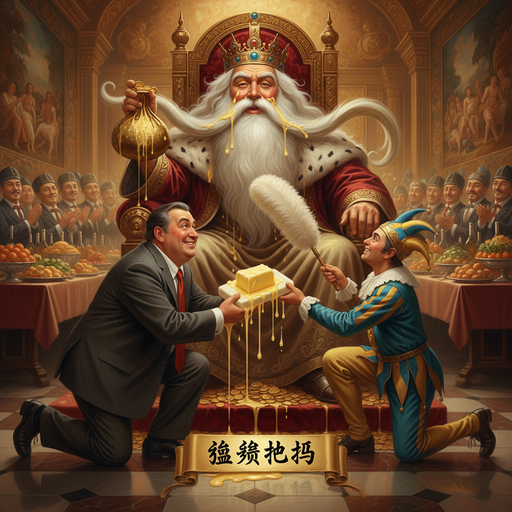
The most high-profile reaction from adult officials involved the pardon of Binance founder and CEO Changpeng Zhao in October. He admitted guilt in money laundering in November 2023 and served a four-month prison sentence.
The White House officially framed this as the end of “Biden’s crypto policy.” However, Senator Chris Murphy pointed to suspicious parallels: a stablecoin linked to Trump family projects and Binance’s deal in Abu Dhabi worth $2 billion, involving this token.
While direct evidence of a connection has not been confirmed, it reignited discussions about potential conflicts of interest between the administration and World Liberty Financial — a crypto venture associated with the presidential family.
During a 60 Minutes interview, Trump denied personal ties to Zhao, calling him a “respected person” and a “scapegoat” of the previous administration’s witch hunt. When asked about his sons’ activities in crypto, he replied: “They run private businesses; they do not work in the government.”
Zhao expressed “deep gratitude” on social media but remained detached from an active role in Binance.
Policy Reassessment: Regulation at a Crossroads in 2025
Together, these three pardons abolished decades of federal approaches to crypto industry oversight. Trump supporters claim he kept his word to the crypto community voters.
Critics warn of the danger of blurring the lines between justice and political loyalty. Senator Elizabeth Warren sharply stated: “First, Zhao admitted guilt in money laundering. Then he supported Trump’s crypto projects and lobbied for his own pardon. Today, the president paid him off. If Congress fails to address this corruption through new legislation, it becomes complicit.”
The political consequences of these decisions will determine how lenient or strict the government will be in regulating crypto in the coming years. The industry received a strong signal: the federal stance has fundamentally shifted.