

Trade
Basic
Futures
Futures
Hundreds of contracts settled in USDT or BTC
Options
HOT
Trade European-style vanilla options
Unified Account
Maximize your capital efficiency
Demo Trading
Futures Kickoff
Get prepared for your futures trading
Futures Events
Participate in events to win generous rewards
Demo Trading
Use virtual funds to experience risk-free trading
Earn
Launch
CandyDrop
Collect candies to earn airdrops
Launchpool
Quick staking, earn potential new tokens
HODLer Airdrop
Hold GT and get massive airdrops for free
Launchpad
Be early to the next big token project
Alpha Points
NEW
Trade on-chain assets and enjoy airdrop rewards!
Futures Points
NEW
Earn futures points and claim airdrop rewards
Investment
Simple Earn
Earn interests with idle tokens
Auto-Invest
Auto-invest on a regular basis
Dual Investment
Buy low and sell high to take profits from price fluctuations
Soft Staking
Earn rewards with flexible staking
Crypto Loan
0 Fees
Pledge one crypto to borrow another
Lending Center
One-stop lending hub
VIP Wealth Hub
Customized wealth management empowers your assets growth
Private Wealth Management
Customized asset management to grow your digital assets
Quant Fund
Top asset management team helps you profit without hassle
Staking
Stake cryptos to earn in PoS products
Smart Leverage
NEW
No forced liquidation before maturity, worry-free leveraged gains
GUSD Minting
Use USDT/USDC to mint GUSD for treasury-level yields

More





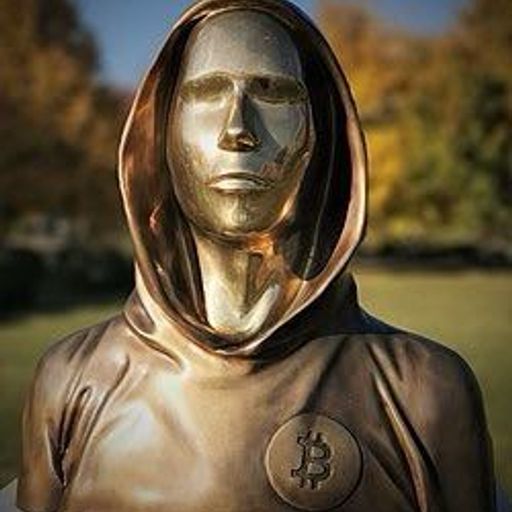

Blockchain (Blockchain) What is it? Try to understand the technology that is changing the digital world.
Blockchain Technology Is Changing Our World
If you’re an investor in the crypto space, the word blockchain is no longer unfamiliar. But in reality, how does blockchain work? Why is it so secure? And is it possible to apply it in real life? We will take you on a journey to explore this fascinating story.
Blockchain: Security Built from Connectivity
Blockchain, in summary, is a decentralized data storage system, where each piece of data (called a block) is linked together into a long (chain) using complex encryption codes. This makes it difficult for anyone to easily modify, delete, or forge data.
The key difference is that blockchain does not require a “middleman” (such as a bank or verification company) to confirm data accuracy. The entire network verifies collectively, making the system transparent and resistant to tampering.
How Does It Actually Work?
1. Hash Code: “Fingerprint” of Each Block
Each block has three main parts:
For example:
If someone tries to alter Block 1, its Hash will change, which will alert the network that “something’s wrong,” leading to rejection of the change. This is why blockchain is very difficult to hack.
2. Consensus System (Consensus): Community Decision-Making
Blockchain does not allow a single person to make decisions alone. Instead, it uses “consensus” methods such as:
These methods make cheating more difficult because to control the system, one would need to dominate more than 51% of the network, which is highly impractical and costly.
3. Peer-to-Peer Network (P2P): Everyone Acts as a Validator
Each person who downloads the blockchain software becomes a “node (Node)” that:
When a new block is created:
How Many Types of Blockchain Are There?
1. Public Blockchain (Public)
2. Private Blockchain (Private)
3. Hybrid Blockchain (Hybrid)
4. Consortium Blockchain (Consortium)
Advantages That Make Blockchain Attractive
High Security: Data is encrypted and cannot be altered or deleted
Transparency: No single administrator can hide data; everything is recorded
Cost Reduction: No need to pay “middlemen” fees, as the community verifies
Traceability: Entire transaction history can be reviewed
Speed and Efficiency: Reduces human errors
Challenges to Consider
Scalability Issues: Currently, blockchain can handle limited transactions (Bitcoin ~ 7 transactions/sec, Ethereum ~ 30 transactions/sec), but new technologies like Layer 2 are helping to address this.
Theoretical Vulnerability (: If 51% of the network is controlled, the system could be manipulated. However, in practice, this is very difficult and costly.
High Energy Consumption: Proof-of-Work requires enormous energy, impacting the environment.
Lack of Clear Regulations: Blockchain is still largely unregulated by official authorities.
Where Is Blockchain Used?
) Digital Finance Cryptocurrencies like Bitcoin and Ethereum are the most visible applications of blockchain. Additionally, many banks are developing their own digital currencies. Thailand’s Inthanon project is one example.
Supply Chain
Companies like IBM have created Food Trust Blockchain, allowing consumers to trace the origin of products from farm to table. Many logistics firms also use blockchain for transparency and anti-counterfeiting.
Voting Systems
Blockchain can create tamper-proof voting systems with transparency and security. Everyone can verify the results, and the results cannot be altered.
Healthcare and Education
Medical records and certificates can be stored on blockchain for security and easy verification.
DeFi ###Decentralized Finance(
People can borrow, lend, or trade digital assets without banks through smart contracts )smart contracts(.
Summary
Blockchain is not just a technology for cryptocurrencies. It is a tool that can transform how data is stored, transactions are verified, and trust is built across various systems. It offers many advantages but also faces challenges such as speed, costs, and regulation. In the near future, blockchain is likely to become an increasingly important and commonplace technology in our world.