

Trade
Basic
Futures
Futures
Hundreds of contracts settled in USDT or BTC
Options
HOT
Trade European-style vanilla options
Unified Account
Maximize your capital efficiency
Demo Trading
Futures Kickoff
Get prepared for your futures trading
Futures Events
Participate in events to win generous rewards
Demo Trading
Use virtual funds to experience risk-free trading
Earn
Launch
CandyDrop
Collect candies to earn airdrops
Launchpool
Quick staking, earn potential new tokens
HODLer Airdrop
Hold GT and get massive airdrops for free
Launchpad
Be early to the next big token project
Alpha Points
NEW
Trade on-chain assets and enjoy airdrop rewards!
Futures Points
NEW
Earn futures points and claim airdrop rewards
Investment
Simple Earn
Earn interests with idle tokens
Auto-Invest
Auto-invest on a regular basis
Dual Investment
Buy low and sell high to take profits from price fluctuations
Soft Staking
Earn rewards with flexible staking
Crypto Loan
0 Fees
Pledge one crypto to borrow another
Lending Center
One-stop lending hub
VIP Wealth Hub
Customized wealth management empowers your assets growth
Private Wealth Management
Customized asset management to grow your digital assets
Quant Fund
Top asset management team helps you profit without hassle
Staking
Stake cryptos to earn in PoS products
Smart Leverage
NEW
No forced liquidation before maturity, worry-free leveraged gains
GUSD Minting
Use USDT/USDC to mint GUSD for treasury-level yields

More




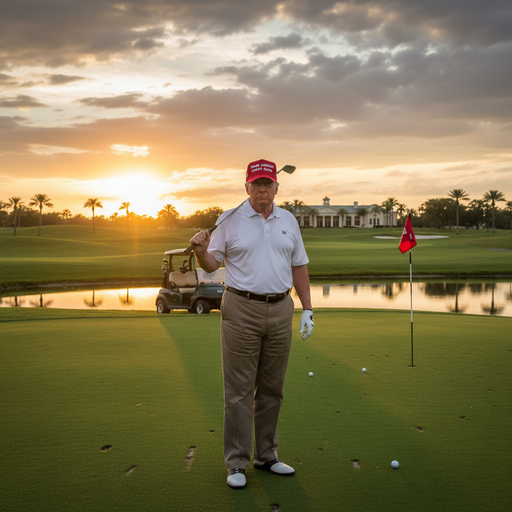


Trump's "Thank You Tariffs" hit a new record high, and behind the market prosperity lurks the risk of de-dollarization
US President Trump posted on January 6th claiming that the US markets just hit new all-time highs again, and directly attributing it to “thanks to tariffs.” This statement seems simple and forceful, but the underlying market logic is far more complex than it appears on the surface. From tariff policies to liquidity expectations, from the strategic importance of crypto assets to long-term concerns about de-dollarization, a multi-dimensional market game is unfolding.
Policy Combinations Behind Market Highs
The Direct Effects of Tariff Policies
Trump directly credited tariffs for the market reaching new highs, but this causal relationship requires a more detailed breakdown. According to the latest news, the upward momentum in US markets comes from multiple factors. On one hand, market expectations for Trump’s policies are relatively optimistic — Trump’s approval rating has risen to 42%, the highest since October. On the other hand, Federal Reserve voting member and Philadelphia Fed President Anna Paulson stated that if economic prospects remain healthy, moderate additional rate cuts later in 2026 might be appropriate, signaling a loosening of liquidity.
Tariff policies have indeed impacted market sentiment, but what truly drives the market to new highs are expectations of rate cuts and ample liquidity.
Unique Opportunities in the Crypto Market
Trump’s administration attitude toward crypto assets is becoming a new variable in the market. According to reports, American Bitcoin Corp, a Bitcoin mining company supported by the Trump family, recently increased its holdings by 329 BTC, currently holding a total of 5,427 BTC, ranking 19th among the top 100 Bitcoin companies. This not only shows Trump’s camp’s optimism toward crypto assets but also signals policy implications.
Senator Cynthia Lummis recently questioned whether the US government is still selling Bitcoin legally, pointing out that Trump has explicitly instructed that these assets should be retained to establish a strategic Bitcoin reserve for the US. This indicates that crypto assets are being integrated into the framework of national strategic assets, marking a fundamental shift in their status.
Hidden Concerns Behind Market Prosperity
Long-term Pressure of De-dollarization
Although the market appears prosperous on the surface, Jefferies economist Mohit Kumar pointed out in a report that Trump’s interventionist administration could accelerate the de-dollarization process, weakening the dollar’s position as the world’s reserve currency. This view warrants attention — as countries begin to reduce reliance on the dollar, the attractiveness of US assets may face structural challenges.
The best way to diversify dollar risk, according to Kumar, is to increase holdings of gold and bulk metals. This explains why gold and silver have started the year with their most impressive annual opening since 1979. Market funds are betting on two seemingly contradictory directions simultaneously: optimistic about US stocks reaching new highs, while increasing holdings of safe-haven assets.
Geopolitical Uncertainty
Recent escalation of tensions in Venezuela has further reinforced market concerns over geopolitical risks. The US has exerted pressure on Venezuela through oil embargoes, seizure of oil tankers, and regional military deployments. This “covert but high-pressure sanctions” strategy often raises energy price risk premiums. Against the backdrop of rising geopolitical uncertainties in the Middle East and Latin America, inflation expectations and interest rate paths will again influence global asset pricing, and market risk appetite may remain highly volatile.
New Narratives in the Crypto Market
From a policy perspective, the Trump administration’s attitude toward crypto assets is shifting from “tolerance” to “strategic support.” The establishment of strategic Bitcoin reserves is not only a recognition of crypto asset value but also a move by the US to seek new asset allocation strategies amid the global trend of de-dollarization.
This shift has profound implications for Bitcoin and the entire crypto market. On one hand, the demand for national-level strategic reserves will provide long-term support for crypto assets; on the other hand, geopolitical risks and de-dollarization trends reinforce crypto’s appeal as a safe haven and capital transfer tool.
However, it’s important to note that the market may still experience high volatility in the short term. Macroeconomic uncertainties, changes in interest rate expectations, and sudden geopolitical events could lead to price restructuring amid high volatility.
Summary
Trump attributes market highs to tariffs, but the real story is more complex. The market prosperity results from a combination of tariff policies, rate cut expectations, ample liquidity, and rising political support. Meanwhile, long-term pressures of de-dollarization, geopolitical uncertainties, and the strategic importance of crypto assets are quietly changing the underlying market logic.
In simple terms, the market is betting simultaneously on US prosperity and dollar decline. This contradictory combination is creating new opportunities but also hiding new risks. For crypto assets, the establishment of strategic reserves and rising safe-haven demand are positive signals, but volatility may come as a cost.