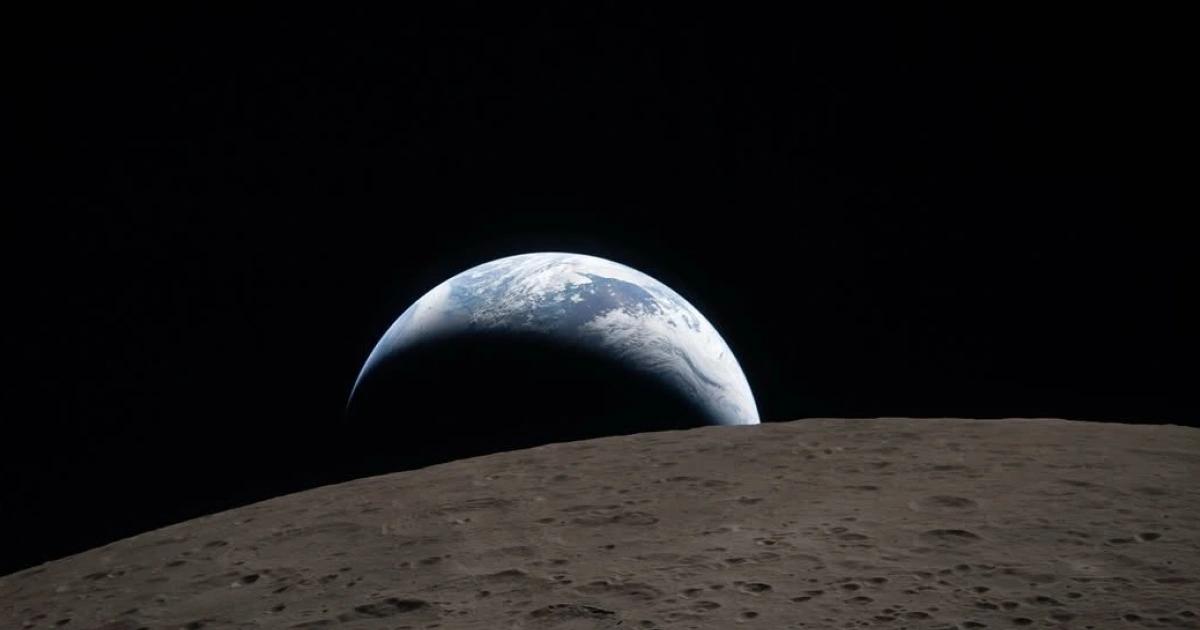
NASA’s “Artemis 2” successfully observes the far side of the Moon, breaking the human record for the farthest crewed flight. Broadcasting to pay tribute to a sci-fi catchphrase, astronauts also for the first time use an iPhone to capture the stunning moments, and even suggest naming a crater—writing a new chapter in space exploration.
NASA’s Moon-orbit mission for the first time writes multiple milestones on the far side of the Moon
Yesterday was an important moment in human space history! NASA’s United States Artemis II mission has wrapped up a 7-hour lunar observation window, as astronauts for the first time personally witnessed regions of the Moon’s far side that humanity has never seen before.
During the mission, astronauts observed and recorded impact craters, ancient lava flows, and surface fractures, while also witnessing Earth as it set and rose, and a rare solar eclipse in space—additionally recording flashes from 6 meteor impacts on the Moon’s dark side.
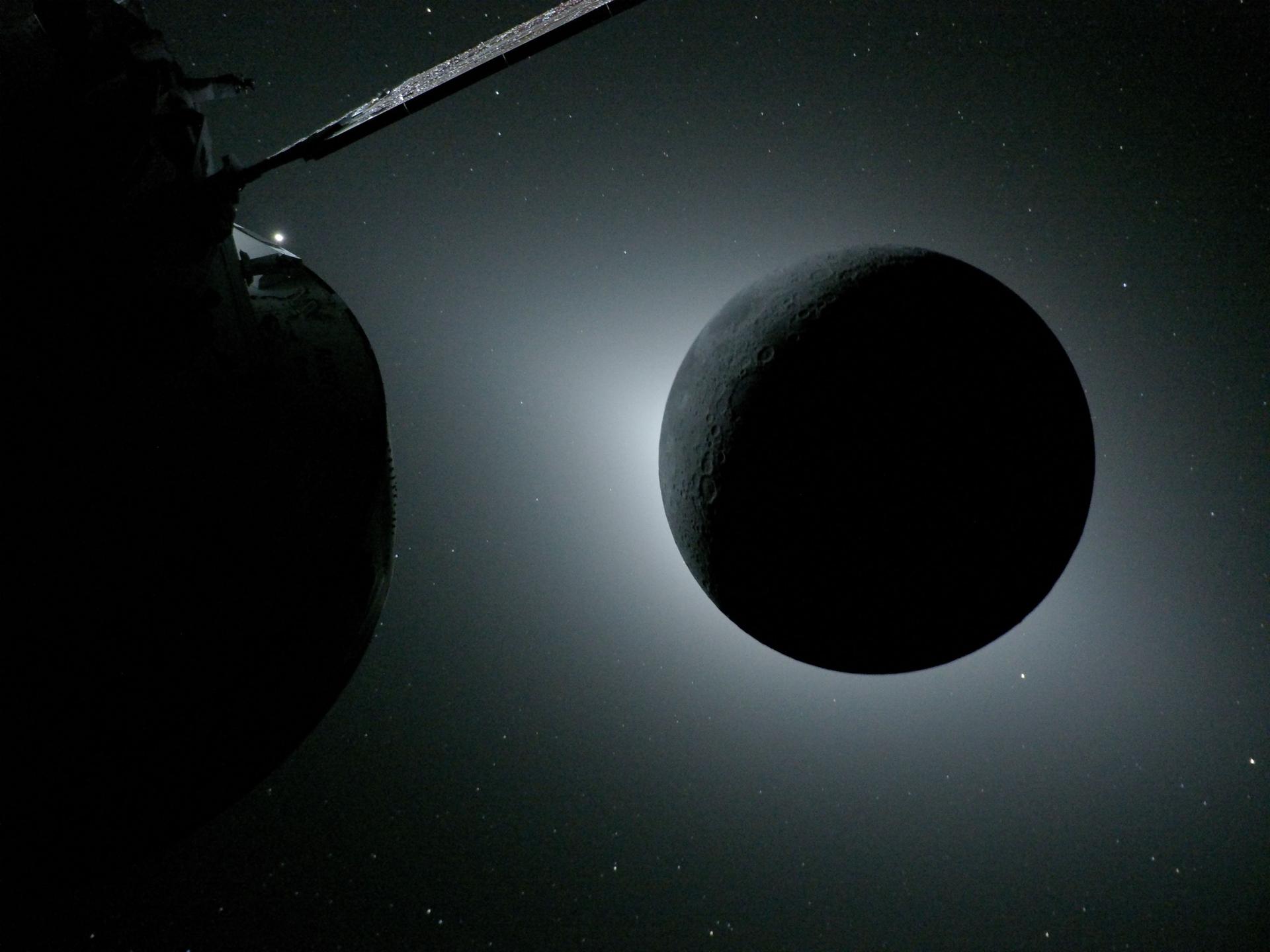
Image source: NASA NASA’s Moon-orbit mission succeeds—first time seeing the far side of the Moon and writing multiple milestones
This mission marks multiple historical firsts. The spacecraft reached its farthest distance of 252,756 miles from Earth, officially breaking the 248,655-mile record set by Apollo 13 in 1970, and becoming the farthest crewed spaceflight mission from Earth in human history.
Amaze! Amaze! Amaze! NASA’s Moon-orbit livestream pays tribute to a classic
A fun incident appeared during NASA’s official Moon-orbit livestream, drawing attention from netizens.
When mission commander Reid Wiseman described the magnificent view he saw through the window to the mission control center, mentioning that the Moon filled the entire field of view and Earth was just a tiny bright point, the mission control center immediately responded with “Amaze! Amaze! Amaze!”
The meaning of “Amaze! Amaze! Amaze!” is, in fact, a tribute to Andy Weir’s science-fiction novel Project Hail Mary, whose adapted film is currently in theaters. In that work, the alien named Rocky expresses excitement through this line.
Because the crew of Artemis II had watched this work before departing, this call became an interesting highlight combining the space mission with pop culture.

Image source: Promotional poster for the film Project Hail Mary
iPhone goes into space, recording historic moments of the Moon-orbit mission
During this mission, the Artemis II crew also used an iPhone 17 Pro Max to capture various scenes.
In February this year, NASA first approved the use of smartphones for space missions. NASA Administrator Jared Isaacman said this was so that crew members could capture special moments for their families and share the images with the world.
In this mission, Commander Wiseman and mission specialist Christina Koch used the front camera of the iPhone for Earth selfies, and as they approached the Moon, Wiseman even used the phone’s 8x telephoto lens to photograph the lunar surface.
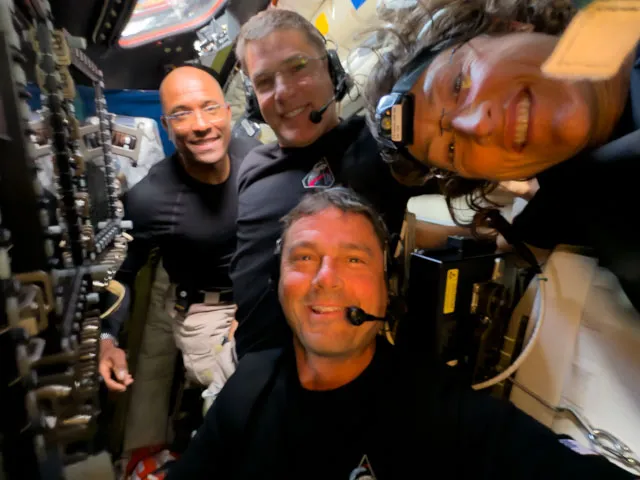
Image source: NASA NASA’s Moon-orbit mission—Artemis II crew takes iPhone selfies
Even CSA astronaut Jeremy Hansen used his iPhone as a mirror while shaving.
Although the main photography for this mission still relied on the Nikon D5 and Nikon Z9 cameras that have been rigorously tested for harsh environments and radiation, the addition of a consumer iPhone version adds many close-to-daily-life perspectives to the mission.
Astronauts share their awe-filled feelings, and propose naming Moon craters
As shown in NASA’s official articles, the astronauts were deeply moved by this historic mission.
Before entering the Moon’s far side and causing communications to be cut off, astronaut Victor Glover emotionally spoke to Earth, saying that even though they were about to lose wireless contact, they could still feel Earth’s love.
When Hansen broke the farthest flight record, he said this achievement pays tribute to the pioneers of humanity’s past space exploration, and he hopes the new record can be surpassed soon by the next generation; Koch also emphasized during a call connecting with the International Space Station (ISS) that all the knowledge they learned on the space station was applied to this mission.
While observing the lunar surface, the crew especially proposed to the International Astronomical Union (IAU) naming two unnamed craters: one is named “Integrity” to honor the spacecraft they rode, and the other is proposed to be named “Carroll” to commemorate Commander Wiseman’s wife, Carroll Taylor Wiseman, who passed away in 2020.
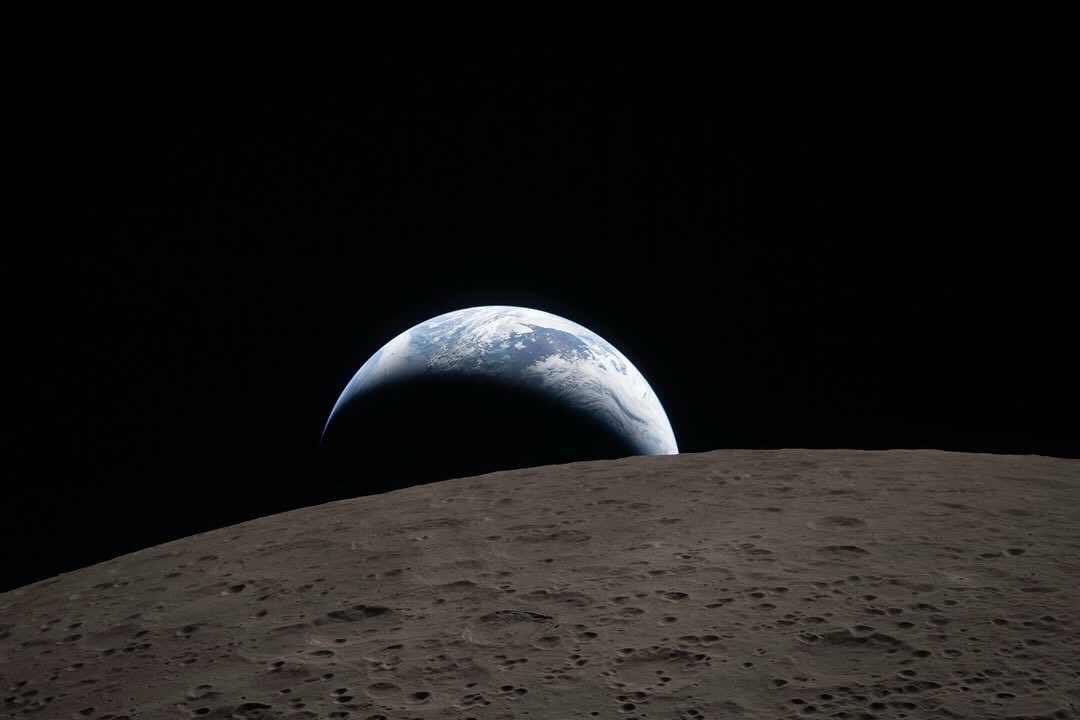
Image source: NASA Earth seen from Artemis II during the Moon-orbit mission
Disclaimer: The information on this page may come from third parties and does not represent the views or opinions of Gate. The content displayed on this page is for reference only and does not constitute any financial, investment, or legal advice. Gate does not guarantee the accuracy or completeness of the information and shall not be liable for any losses arising from the use of this information. Virtual asset investments carry high risks and are subject to significant price volatility. You may lose all of your invested principal. Please fully understand the relevant risks and make prudent decisions based on your own financial situation and risk tolerance. For details, please refer to
Disclaimer.


