What is TRC20?

2026-01-05 18:43:28
Blockchain
Crypto Tutorial
Stablecoin
TRON
Web3 wallet
Article Rating : 3.5
half-star
46 ratings
# Understanding TRC20: A Comprehensive Guide to the Token Standard TRC20 is a token standard for creating and managing tokens on the TRON blockchain, offering fast transactions and low fees compared to ERC20 and BEP20 alternatives. This guide addresses key questions for both crypto beginners and experienced users: what TRC20 is, how to securely store tokens in wallets, and why USDT TRC20 has become the preferred choice for global transfers on Gate. You'll learn about TRC20 security considerations, wallet selection strategies, address tracking methods, and the differences between major token standards. Whether you're exploring DeFi opportunities or conducting international remittances, this comprehensive resource equips you with essential knowledge to navigate the TRON ecosystem confidently and maximize TRC20's advantages in speed and cost-efficiency.
What is TRC20?

What Does TRC20 Mean?

TRC20 stands for TRON (TRC) Token Standard 20. It is a set of rules and guidelines that developers must adhere to when creating tokens on the TRON blockchain. Essentially, it's a blueprint that defines how a token should function, including how it's issued, transferred, and approved.

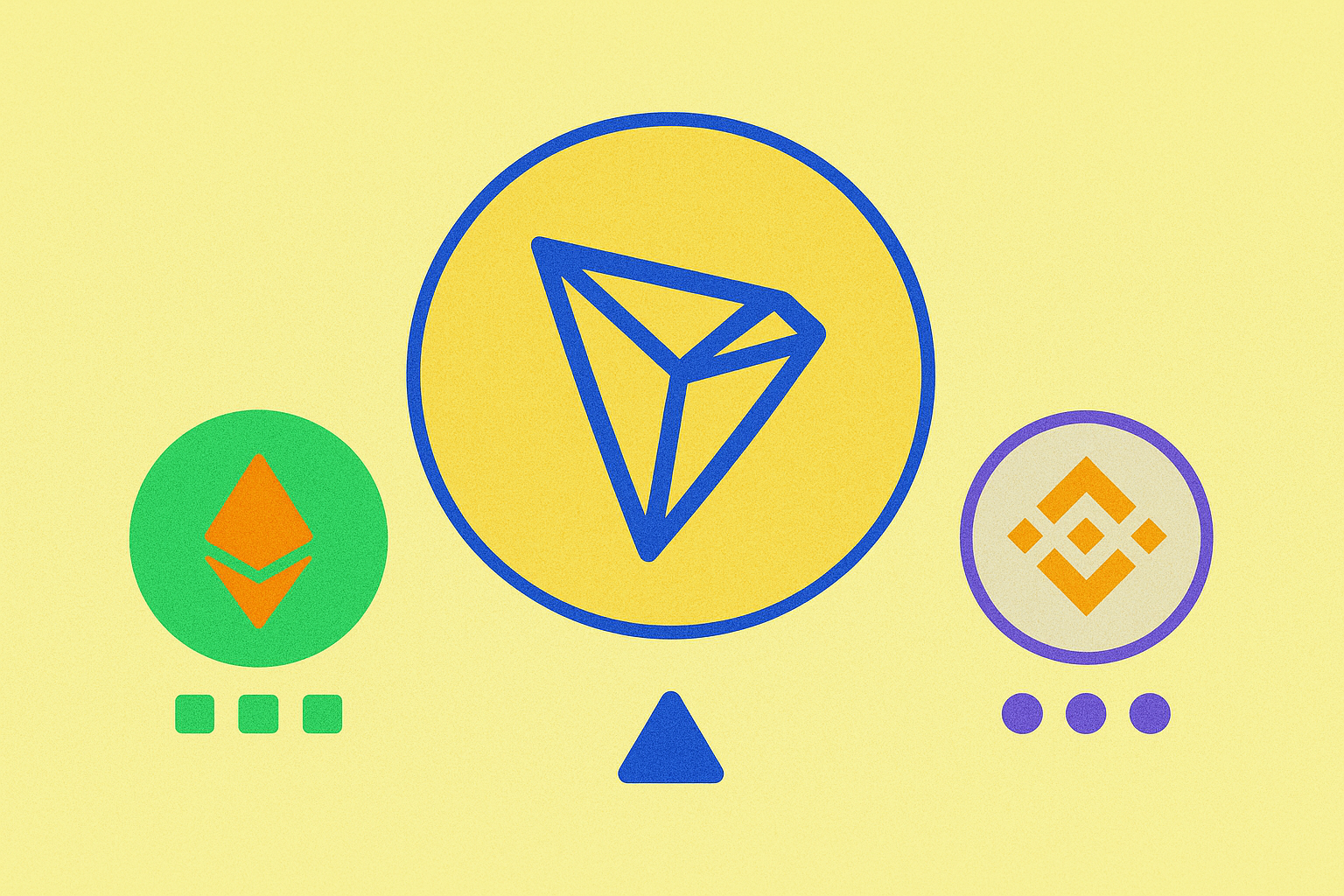
TRC20 is a technical standard used for creating and managing tokens on the TRON blockchain. Similar to ERC20 on Ethereum or BEP20 on other blockchain networks, TRC20 provides a set of rules that these tokens must follow, ensuring compatibility and smooth operation within the TRON ecosystem.

By adhering to the TRC20 standard, developers ensure their tokens are compatible with the broader TRON ecosystem. This means the tokens can be easily integrated with various wallets, exchanges, and decentralized applications (dApps) that operate on the TRON network. It also ensures a consistent user experience across different TRC20 tokens, making it easier for users to manage and interact with them.

What Are the Benefits of Using USDT TRC20?

One of the most prominent uses of TRC20 is for USDT (Tether), a stablecoin pegged to the US dollar. This has made TRC20 a popular choice for transferring value quickly and cheaply across the globe. The adoption of USDT TRC20 offers several significant advantages:

Fast Transaction Speeds: Thanks to the TRON blockchain's high throughput, transactions involving USDT TRC20 are typically processed within seconds. This is a significant improvement over networks like Ethereum, where transactions can take several minutes or even longer during periods of congestion.

Low Transaction Fees: TRON's network design and consensus mechanism result in significantly lower transaction fees compared to other major blockchain networks. This makes USDT TRC20 a cost-effective option for transferring value, especially for smaller transactions and international remittances.

Widespread Adoption: USDT TRC20 is widely accepted across a vast array of cryptocurrency exchanges, wallets, and platforms. This extensive adoption makes it easy to use for trading, remittances, and other purposes, enhancing its overall utility and liquidity in the market.

Is TRC20 Safe?

While TRC20 tokens offer numerous advantages, it's important to be aware of the potential security risks involved. Like any blockchain platform, TRON is not immune to vulnerabilities, and smart contracts can contain bugs that hackers might exploit. Understanding these risks is essential for safe usage of TRC20 tokens.

Among the common blockchain security risks are:

  • Smart Contract Vulnerabilities: As with any blockchain platform, there's always a risk of smart contract vulnerabilities that hackers could exploit. Users should verify the audit history of tokens before investing.
  • Exchange and Wallet Risks: The security of the exchanges and wallets where you store TRC20 tokens also plays a role. It's important to choose reputable platforms with strong security measures and transparent security practices.
  • Phishing and Scams: Users can fall victim to phishing attacks or scams that aim to steal their private keys or login credentials. Maintaining awareness and using verified official channels can help mitigate these risks.

Are TRC20 Wallets Free?

There are many reputable TRC20 wallets available, each with its own features and benefits. Most wallet applications are free to download and use, though some may offer premium features or charge fees for certain advanced functionalities.

Popular wallet options for storing TRC20 tokens include hardware wallets known for high security, mobile wallets with user-friendly interfaces, and multi-chain wallets that support various blockchain networks. When selecting a wallet, consider factors such as security features, ease of use, customer support, and compatibility with your devices.

How Do I Track My TRC20 Address?

A TRC20 address is a unique string of characters that identifies your TRON wallet. It functions similarly to a bank account number, allowing you to send and receive TRC20 tokens. Each wallet you create will have its own distinct TRC20 address that begins with the letter "T".

Finding your TRC20 address is straightforward:

  • Open your TRC20 wallet: Launch the wallet application on your device or computer.
  • Navigate to the receive section: Look for a button or tab labeled "Receive," "Deposit," or something similar.
  • View your TRC20 address: This will display your TRC20 address, usually a long string of letters and numbers starting with a "T".

Once you have your address, you can share it with others to receive TRC20 tokens. You can also use it to track your transactions on a blockchain explorer, which provides real-time information about transaction status and history.

Choosing a TRC20 Wallet

The choice of a TRC20 wallet is crucial for securely storing and managing your tokens. A reputable and secure wallet is essential to protect your funds from potential threats. When selecting a wallet, it's important to understand the distinction between different types of wallets:

Custodial Wallets: In custodial wallets, a third-party service provider (such as an exchange) holds your private keys. This offers convenience and easier recovery of lost funds but comes with the risk of trusting a third party with your assets.

Non-Custodial Wallets: In non-custodial wallets, you retain control of your private keys. This gives you complete ownership and control but also makes you solely responsible for their security and backup.

When evaluating wallets, consider the following factors: security certifications and audit history, user interface and ease of use, customer support availability, backup and recovery options, and compatibility with your preferred devices and operating systems.

What Is the Difference Between TRC20 USDT and ERC20 and BEP20 USDT?

USDT, or Tether, is a stablecoin designed to maintain a 1:1 peg with the US dollar. It exists on multiple blockchains, including TRON (TRC20), Ethereum (ERC20), and other major blockchain networks (such as BEP20). While all versions represent the same underlying asset, they differ significantly in terms of the blockchain they operate on, resulting in varying transaction speeds, fees, and network characteristics.

TRC20 USDT operates on the TRON blockchain, offering fast transaction speeds (typically within seconds) and lower transaction fees compared to other networks. This makes it particularly suitable for frequent transactions and international transfers.

ERC20 USDT operates on the Ethereum network, which has higher security due to Ethereum's extensive network of validators but typically experiences higher transaction fees and slower confirmation times during periods of network congestion.

BEP20 USDT operates on other blockchain networks, offering a middle ground between transaction speed and cost. Each version maintains the same value but serves different use cases based on user preferences for transaction speed, cost, and network characteristics.

Conclusion

In conclusion, TRC20 is a versatile and efficient token standard that has become a cornerstone of the TRON blockchain. While its association with USDT has propelled it into mainstream adoption, its potential extends far beyond stablecoins. With ongoing development and a growing ecosystem, TRC20 is poised to play a significant role in the future of decentralized applications, finance, and other innovative use cases.

Whether you're a seasoned crypto enthusiast or a newcomer exploring the world of blockchain technology, understanding TRC20 is essential for navigating the evolving landscape of digital assets. By selecting a secure wallet that meets your needs and staying informed about the latest developments in the TRON ecosystem, you can position yourself to take advantage of the opportunities that TRC20 tokens have to offer.

As TRON continues its development as a blockchain platform, TRC20 tokens will likely become increasingly prevalent and integrated into various applications and services. By embracing this technology and understanding its potential, users can participate in the growing decentralized digital economy.

FAQ

What is TRC20? What are its definition and function?

TRC20 is a token standard on the Tron blockchain, similar to ERC20 on Ethereum. It enables smart contracts and decentralized applications with lower fees and faster transactions. TRC20 tokens are interoperable within the Tron ecosystem and support various use cases including stablecoins, DeFi, gaming, and payments.

What is the difference between TRC20 and ERC20?

TRC20 and ERC20 differ in blockchain networks: ERC20 is based on Ethereum, while TRC20 is based on TRON. ERC20 addresses start with 0x, whereas TRC20 addresses start with T. They also differ in security mechanisms and transaction fees.

How to create and issue TRC20 tokens on the TRON network?

To create and issue a TRC20 token on TRON, pay a fee of 1024 TRX. Specify the token name, total supply, TRX exchange rate, and circulation duration. Use TRON's smart contract capabilities to deploy the token on the blockchain.

What are the advantages of TRC20 tokens compared to other token standards?

TRC20 tokens offer faster transaction speeds and lower fees compared to other standards. Tron network's high processing capacity ensures shorter confirmation times and minimal transaction costs, making it ideal for high-volume transfers.

What is the transaction fee for TRC20 tokens?

TRC20 token transaction fees typically range from 0.1 to 0.5 TRX, depending on network conditions and platform policies. Fees may fluctuate, so check current rates before transacting.

Common TRC20 tokens include which ones?

Popular TRC20 tokens include USDT-TRON, WINk, and SUN. These tokens follow the TRC20 standard and can be stored and traded on TRON wallets and blockchain.

How to safely store and transfer TRC20 tokens?

Use a secure TRON wallet like TronLink and keep your private keys confidential. When transferring, verify the recipient address carefully. TRC20 transactions require minimal TRX for network fees, ensuring low-cost, fast transfers on the TRON blockchain.

Is TRC20 token safe? What risks exist?

TRC20 tokens operate on TRON blockchain with security dependent on network stability and wallet management. Main risks include hacking attacks and insecure wallet practices. Safeguard your private keys carefully to mitigate risks.

* The information is not intended to be and does not constitute financial advice or any other recommendation of any sort offered or endorsed by Gate.
Related Articles
What Is a TRC20 Address? Beginner's Guide to TRON-Based USDT Wallets

What Is a TRC20 Address? Beginner's Guide to TRON-Based USDT Wallets

This article serves as a comprehensive guide to TRC20 addresses, crucial for navigating the TRON ecosystem and utilizing TRON-based USDT wallets. It highlights the benefits of TRC20 over ERC20, including faster transaction speeds, lower costs, and enhanced scalability, making it ideal for crypto traders and remittance services. The guide details steps to create a TRC20 wallet, emphasizing security measures like 2FA and hardware wallets. Perfect for beginners, it answers key questions about managing and securing TRON-based assets efficiently on platforms like TronLink or Gate.

2025-09-04 17:10:23
Explanation of TRC20 Wallet Address, Functions, and How to Obtain One

Explanation of TRC20 Wallet Address, Functions, and How to Obtain One

The article "TRC20 Wallet Address Analysis: Functions and Methods of Acquisition" provides a comprehensive overview of TRC20 wallet addresses in the TRON ecosystem. It discusses the functions, advantages, and setup processes of these addresses, suitable for both cryptocurrency beginners and experienced users. Key issues include transaction speed, minimum fees, and secure asset management. The article's structure logically unfolds from understanding TRC20 addresses, assessing key features, to setting up and protecting your wallet. This guide is essential for effectively managing TRC20 tokens, especially USDT, on the TRON network.
2025-11-25 02:41:40
Ultimate Guide to Creating a TRC20 Wallet for USDT in 2025

Ultimate Guide to Creating a TRC20 Wallet for USDT in 2025

This article serves as the ultimate guide to creating a TRC20 wallet for managing USDT efficiently in 2025's evolved cryptocurrency landscape. It delves into the necessity of TRC20 wallets due to the rapid growth of the TRON network, focusing on the benefits of fast transaction speeds and low fees. Readers will find a comparison of top TRC20 wallets, including Gate Wallet, alongside a step-by-step setup process to ensure security and efficiency. The guide highlights the advantages of TRC20 over ERC20, offering insights into cost-effective and environmentally conscious crypto management for both beginners and seasoned traders.
2025-08-21 01:35:40
TRC20 Wallet Address Explained: What It Is and How to Use It

TRC20 Wallet Address Explained: What It Is and How to Use It

This article provides a comprehensive guide to TRC20 wallet addresses on the TRON network, highlighting their efficiency, low transaction fees, and compatibility with various tokens like USDT. Readers will learn how to create, secure, and manage TRC20 wallets, making transactions more seamless and secure. It addresses the needs of novice and experienced users who seek cost-effective solutions for cryptocurrency transactions. The article compares TRC20 with ERC20 wallets, emphasizing TRON's dominance in 2025 due to its superior transaction speed, energy efficiency, and smart contract capabilities. Perfect for those interested in optimizing crypto transactions and asset security.
2025-09-04 18:09:45
What Is a TRC20 Address: A Comprehensive Guide for TRON Users in 2025

What Is a TRC20 Address: A Comprehensive Guide for TRON Users in 2025

This comprehensive guide on TRC20 addresses for TRON users in 2025 explores their pivotal role in the TRON ecosystem, emphasizing their importance in storing, sending, and receiving tokens like USDT-TRC20. It provides a detailed security guide for creating and managing TRC20 wallets and compares TRC20 with other token standards, highlighting its transaction speed and cost-effectiveness. The article offers specialized tips for maximizing TRC20 token benefits, leveraging TRON’s DeFi ecosystem, and gaining insights through Gate's educational resources. Designed for both new and experienced users, this guide is essential for navigating TRON effectively and securely.
2025-09-25 19:18:15
Guide to Get TRC20 Wallet Address

Guide to Get TRC20 Wallet Address

"Guide to Get TRC20 Wallet Address" offers a comprehensive overview of setting up and managing a TRC20 wallet for TRON-based tokens. It caters to cryptocurrency enthusiasts looking to secure their digital assets on the TRON network. The article guides readers through selecting a trustworthy wallet provider, installing and securing the wallet, and leveraging advanced features like staking and DeFi integration. Tailored for beginners and advanced users, the guide emphasizes security best practices and includes practical insights for maximizing wallet functionality. Optimize your experience with TRON-based tokens by mastering these essential skills.
2025-10-27 03:40:45
Recommended for You
How to Use Technical Indicators like RSI, MACD, and Bollinger Bands for Crypto Trading in 2026

How to Use Technical Indicators like RSI, MACD, and Bollinger Bands for Crypto Trading in 2026

# How to Use Technical Indicators like RSI, MACD, and Bollinger Bands for Crypto Trading in 2026 This comprehensive guide equips crypto traders with essential technical analysis skills to identify market reversals, confirm trend strength, and optimize risk management. Master four critical indicators—RSI overbought signals (76.811 threshold), MACD golden/death crosses, volume-price divergence, and Bollinger Bands with KDJ—to develop reliable trading strategies on Gate. Learn to combine multiple indicators for multi-signal confirmation, avoid common beginner mistakes, and adjust parameters for 2026's high-volatility crypto environment. Whether you're seeking entry/exit timing or dynamic support-resistance levels, this guide transforms technical analysis from theoretical concepts into actionable trading frameworks that reduce false signals and maximize profitable opportunities.

2026-01-07 10:57:39
How does on-chain data analysis reveal WLFI's true circulating supply and whale movement trends?

How does on-chain data analysis reveal WLFI's true circulating supply and whale movement trends?

# Article Overview: On-Chain Data Analysis of WLFI Token Dynamics This comprehensive guide reveals WLFI's true circulating supply of approximately 27 billion tokens (27% of 100 billion total supply) through blockchain data analysis, while examining whale concentration risks affecting 84,810 holders. The article dissects critical supply mechanics including strategic buyback programs that destroyed 46.56 million tokens verified on-chain, deflationary mechanisms tracked across Ethereum, BSC, and Solana, and whale movement patterns that triggered a 60.8% potential crash. Designed for crypto investors, on-chain analysts, and risk-conscious traders, this resource decodes real circulating supply metrics via Gate blockchain explorers and transaction verification, exposing concentrated holder positions (63.8% whale holdings) and liquidity dynamics across $25 billion TVL. By mapping supply unlocks, burn confirmations, and large-holder trading behaviors through immutable blockchain records, readers gain actionable inte
2026-01-07 10:55:28
Handle Your Cryptocurrency in More Ways: Beyond the Buy and Sell Button

Handle Your Cryptocurrency in More Ways: Beyond the Buy and Sell Button

# Article Introduction Discover how to seamlessly integrate cryptocurrency into your daily financial life with a versatile digital asset debit card. This comprehensive guide covers direct deposit functionality that lets you receive salary in crypto, earn up to 4% crypto rewards on everyday purchases, and access flexible payment options combining USD and digital assets. Learn about educational reward programs that have enabled over 6.5 million users to earn cryptocurrency through learning, plus explore advanced platform features designed for intuitive asset management, trading, and payments. Whether you're new to crypto or an experienced trader, this article demonstrates how Gate's integrated solutions transform cryptocurrency from investment tool into practical everyday financial infrastructure for the modern economy.
2026-01-07 10:54:16
What is CMC20 market overview: $6.46M market cap and $2.57M trading volume in 2026?

What is CMC20 market overview: $6.46M market cap and $2.57M trading volume in 2026?

# CMC20 Market Overview: $6.46M Market Cap and $2.57M Trading Volume CMC20 is a BNB Chain index token providing diversified exposure to the top 20 leading cryptocurrencies, currently valued at $6.46M with $2.57M in 24-hour trading volume across Gate and 15 other active markets. This comprehensive guide examines CMC20's market maturation, stable liquidity characteristics, and technical price consolidation in the $178–$190 range with breakout potential toward $205–$230. Designed for retail and institutional investors seeking streamlined portfolio diversification, CMC20 eliminates manual rebalancing while tracking premium crypto assets with lower volatility than individual holdings. The article analyzes market fundamentals, trading dynamics, technical outlook, and investment considerations, answering key questions about CMC20's performance, security framework, and 2026 market prospects through detailed FAQs and data-driven insights.
2026-01-07 10:53:39
How do on-chain data analytics predict CMC20 price movements in 2026: analyzing active addresses, transaction volume, whale distribution, and network fees

How do on-chain data analytics predict CMC20 price movements in 2026: analyzing active addresses, transaction volume, whale distribution, and network fees

# Article Introduction This comprehensive guide leverages on-chain data analytics to decode CMC20 price movements through 2026, analyzing four critical metrics: active addresses, transaction volume, whale distribution, and network fees. Designed for traders, analysts, and institutional investors on Gate, this article demonstrates how real-time blockchain indicators predict market momentum and price trajectories. By examining active address growth and transaction volume trends, monitoring whale accumulation patterns, and tracking network fee dynamics, readers gain a data-driven framework for forecasting CMC20 performance. The multi-factor approach combines on-chain intelligence with practical insights, achieving approximately 85% accuracy in price prediction. Whether you're optimizing trading strategies on Gate or building predictive models, this analysis reveals the correlation between genuine network adoption and price appreciation, empowering informed decision-making throughout the 2026 market cycle.


2026-01-07 10:52:04
How do futures open interest, funding rates, and liquidation data predict crypto price movements?

How do futures open interest, funding rates, and liquidation data predict crypto price movements?

# Article Introduction This comprehensive guide reveals how futures open interest, funding rates, and liquidation data function as predictive indicators for crypto price movements. Designed for traders and investors seeking to anticipate market reversals before they occur, this article decodes the interconnected signals that professional traders monitor across Gate derivatives markets. You'll discover how to identify market extremes through long-short ratio analysis, interpret options positioning, and recognize liquidation cascade patterns that precede volatility spikes. By mastering these three critical metrics and their convergence signals, you gain actionable frameworks to distinguish healthy market structure from excessive leverage buildup, enabling strategic positioning ahead of major directional shifts while effectively managing risk in crypto's volatile landscape.
2026-01-07 10:48:37