


Futures
Access hundreds of perpetual contracts
TradFi
Gold
One platform for global traditional assets
Options
Hot
Trade European-style vanilla options
Unified Account
Maximize your capital efficiency
Demo Trading
Futures Kickoff
Get prepared for your futures trading
Futures Events
Join events to earn rewards
Demo Trading
Use virtual funds to experience risk-free trading
Launch
CandyDrop
Collect candies to earn airdrops
Launchpool
Quick staking, earn potential new tokens
HODLer Airdrop
Hold GT and get massive airdrops for free
Launchpad
Be early to the next big token project
Alpha Points
Trade on-chain assets and earn airdrops
Futures Points
Earn futures points and claim airdrop rewards


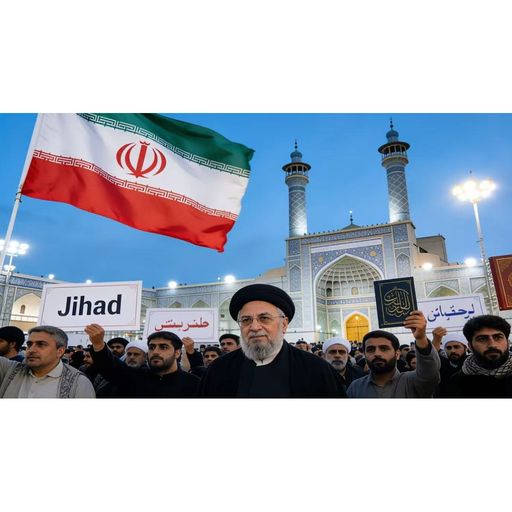



Is Spot Trading Halal or Haram? What Every Muslim Investor Needs to Know
The question of whether spot trading is halal or haram has become increasingly important for Muslim investors entering the crypto and stock markets. The answer isn’t one-size-fits-all—it depends on how you trade and what you’re trading.
When Spot Trading Clearly Aligns with Halal Principles
Spot trading is generally viewed as halal when certain conditions are met. The core principle is straightforward: you must physically own or possess the actual asset at the moment of transaction. Whether it’s cryptocurrency or traditional stocks, real-time ownership is essential.
Beyond ownership, the transaction must be free from riba (interest) and leverage. Islamic finance specifically prohibits borrowing money with interest to fund trades. When you trade spot, you’re using only your own capital—no borrowed funds, no interest charges. Additionally, the transaction should happen immediately, following the traditional Islamic hand-to-hand exchange principle adapted for digital markets.
Perhaps most importantly, the underlying asset itself must not be connected to haram activities. Trading spot Bitcoin or stocks in ethical companies differs fundamentally from trading assets linked to alcohol production, gambling platforms, or other prohibited industries.
Where Spot Trading Crosses Into Haram Territory
The distinction becomes critical when leverage enters the picture. Margin trading and futures trading fundamentally change the nature of the transaction—they involve borrowing money with interest to amplify your position. This directly violates Islamic finance principles around riba.
Beyond leverage, trading non-Shariah-compliant assets crosses into haram. Many traditional indices and individual stocks fail Islamic screening because they involve interest-bearing debt or prohibited business sectors.
There’s another layer often overlooked: gharar, or excessive speculation. When trading becomes pure gambling—focused entirely on short-term price swings with no regard for underlying value—it shifts from investment to prohibited speculation.
The Practical Reality for Muslim Traders
The distinction is simple but crucial: spot trading with your own capital in compliant assets remains halal. Margin and futures trading, regardless of the asset, ventures into haram territory due to the interest-based borrowing structure.
For Muslim investors exploring cryptocurrencies or stock markets, consulting qualified Islamic scholars familiar with modern financial instruments ensures your trading strategy aligns with your religious principles. The framework is clear—the execution requires informed decision-making.