Decentralized Autonomous Organization (DAO)
Definition and Concept
The acronym DAO stands for Decentralized Autonomous Organization. A DAO is fundamentally a system of hard-coded rules that define which actions a decentralized organization will execute. The term may also refer specifically to a historic organization called "The DAO," which was conceptualized on the Ethereum blockchain in 2016, serving as an early pioneering example of this organizational model.
At its core, a DAO represents a particular kind of organization that, unlike conventional companies, is based on open source code and is operated entirely by its community members. This structure represents a fundamental departure from traditional business models, where the underlying mechanisms are not based on hierarchical management structures that are common in conventional enterprises.
Key Characteristics
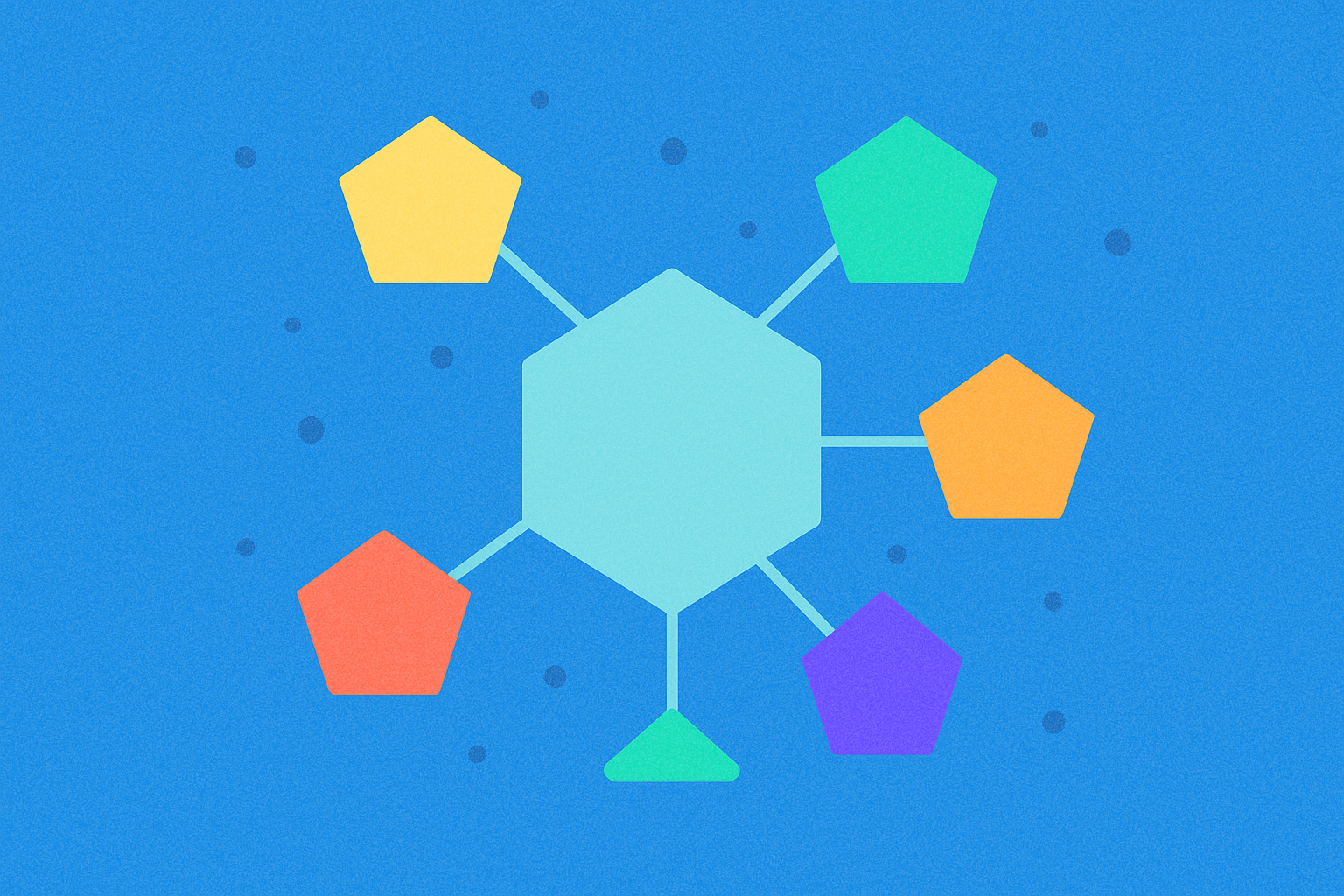
A DAO has no single entity in charge, nor any board of directors. As the name suggests, there is no centralization of power within the organization. Instead, DAOs are conducted by computer-encoded rules implemented through smart contracts and are governed by the collective work of its contributors and community members. This distributed governance model ensures that decision-making authority is shared among all participants rather than concentrated in the hands of a few individuals or entities.
The decentralized nature of DAOs eliminates many of the inefficiencies and trust issues inherent in traditional organizational structures. By removing hierarchical layers and centralizing authorities, DAOs create a more transparent and equitable system where all stakeholders have a voice in organizational decisions.
How DAOs Work
While the idea of decentralized organizations is not new, using smart contracts to automate working mechanisms and functionalities is what makes DAO a truly innovative and practical concept. Smart contracts are self-executing programs that operate according to predetermined rules, enabling DAOs to function without constant human intervention or oversight.
This innovative structure enables a completely new model of business and organizational operation, where various types of activities can be executed in a fully decentralized and automated manner. By encoding organizational rules directly into smart contracts, DAOs can enforce compliance automatically and eliminate the need for traditional administrative overhead.
Use Cases and Applications
DAOs have demonstrated utility across several important applications. Notable use cases include automated fundraising campaigns such as Initial Coin Offerings (ICOs), the issuance of digital tokens, and tokenization of real-world and digital assets. Additionally, DAOs excel in facilitating decision-making and proposal voting systems, where community members can directly participate in governance decisions.
Beyond these applications, the DAO model enables the creation of more efficient systems by reducing the need for human inputs. This reduction in manual intervention directly decreases overall operational costs and minimizes risks related to human error and behavioral inconsistencies that often plague traditional organizations.
Impact and Potential
Just as Bitcoin created a peer-to-peer digital economic system that eliminated the need for banks and other trusted third parties, DAOs have the potential to revolutionize a wide range of industries through the application of decentralized governance models powered by smart contracts. This transformative potential extends across multiple sectors, from finance and investment to supply chain management and creative industries.
The DAO model represents a fundamental reimagining of how organizations can be structured and governed. By leveraging blockchain technology and smart contracts, DAOs offer a pathway toward more transparent, efficient, and equitable organizational models that prioritize community participation and collective decision-making over traditional hierarchical structures.
FAQ
What is a DAO (Decentralized Autonomous Organization) and how does it differ from traditional companies?
A DAO is a decentralized organization governed by token holders through smart contracts, eliminating intermediaries. Unlike traditional companies with hierarchical management, DAOs operate transparently on blockchain with community-driven decisions and automated execution, offering greater transparency and democratized governance.
How do DAOs achieve self-governance through smart contracts?
DAOs use smart contracts to automate governance rules and operations on the blockchain. Members holding governance tokens vote to make decisions, while smart contracts execute these rules automatically and transparently. All transactions and voting records are immutable on-chain, ensuring decentralized and fair self-management without traditional intermediaries.
How to participate in a DAO? What are members' rights and responsibilities?
To join a DAO, purchase its governance tokens. Members gain voting rights proportional to token holdings, participate in governance decisions, and share responsibility for community outcomes. Some DAOs offer limited liability protection for members.
What are the risks to consider when investing or participating in a DAO?
Key risks include project legality uncertainty, smart contract vulnerabilities, and complex tax responsibilities. Verify project legitimacy, ensure smart contracts are audited, and understand your tax obligations before participation.
What are famous DAO projects and what are their characteristics?
Famous DAO projects include MakerDAO, Uniswap, and Yearn Finance. MakerDAO specializes in decentralized lending and stablecoin generation. Uniswap focuses on decentralized trading with automated market makers. Yearn Finance provides decentralized yield farming and asset management solutions.
How does DAO governance voting mechanism work?
DAO governance uses token-based voting where voting power is proportional to token holdings. Common mechanisms include weighted voting based on lock-up duration, liquid democracy with delegation, and reputation voting. Some DAOs employ knowledge-extractable voting to give experts greater influence on specialized topics.
Share
Content
How to Buy Cryptocurrency


Trending Cryptocurrencies


What Is the Best Token Launchpad Platform? An Easy Guide in 2026
What is blockchain, and how does this technology operate?

Understanding UMA: A Beginner's Guide to the Protocol
Plexus (PLX) Overview: Key Features and Operating Principles of the Cryptocurrency

Humanity Protocol: Revolutionizing Web3 Identity Verification in 2025

ARPA White Paper Analysis: Core Logic Behind Its Fundamental Value
Vitalik Criticizes Web3 Apps Relying on Centralized Services Like Google Login
In-Depth Analysis of MEV Bot Scams: How to Identify and Avoid Web3 Arbitrage Traps
What is a Spot Ethereum ETF?
Optimistic Rollup vs. Zero-Knowledge Rollup: What Are the Differences?
What is pre-market trading?