

Trade
Basic
Futures
Futures
Hundreds of contracts settled in USDT or BTC
TradFi
Gold
Trade global traditional assets with USDT in one place
Options
Hot
Trade European-style vanilla options
Unified Account
Maximize your capital efficiency
Demo Trading
Futures Kickoff
Get prepared for your futures trading
Futures Events
Participate in events to win generous rewards
Demo Trading
Use virtual funds to experience risk-free trading
Earn
Launch
CandyDrop
Collect candies to earn airdrops
Launchpool
Quick staking, earn potential new tokens
HODLer Airdrop
Hold GT and get massive airdrops for free
Launchpad
Be early to the next big token project
Alpha Points
Trade on-chain assets and enjoy airdrop rewards!
Futures Points
Earn futures points and claim airdrop rewards
Investment
Simple Earn
Earn interests with idle tokens
Auto-Invest
Auto-invest on a regular basis
Dual Investment
Buy low and sell high to take profits from price fluctuations
Soft Staking
Earn rewards with flexible staking
Crypto Loan
0 Fees
Pledge one crypto to borrow another
Lending Center
One-stop lending hub
VIP Wealth Hub
Customized wealth management empowers your assets growth
Private Wealth Management
Customized asset management to grow your digital assets
Quant Fund
Top asset management team helps you profit without hassle
Staking
Stake cryptos to earn in PoS products
Smart Leverage
New
No forced liquidation before maturity, worry-free leveraged gains
GUSD Minting
Use USDT/USDC to mint GUSD for treasury-level yields

More


Trending Topics
View More79.47K Popularity
6.31K Popularity
1.91K Popularity
2.91K Popularity
7.21K Popularity



Pin
Gate Square | 2/5 Today's Hot Topic: #BuyTheDipOrWaitNow?
🎁 [Community Perk] Post with the topic or #BTC, 10 lucky users * $100 position Voucher.
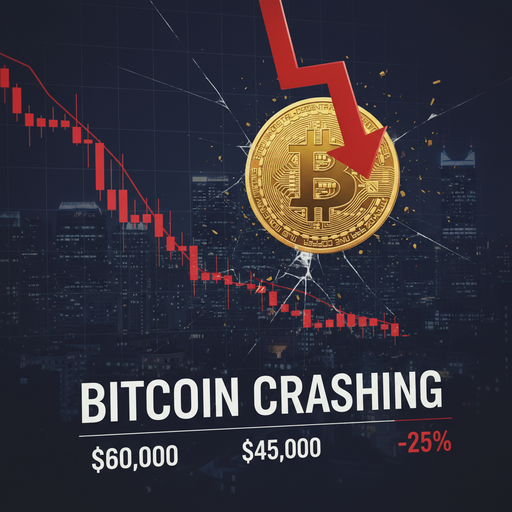
Market volatility continues as BTC breaks below the $74,000 key support level, with altcoins pulling back in sync. Are you buying the dip in batches or waiting for a better entry point?
💬 Today’s Discussion:
1️⃣ Bottom Signals: Where do you see BTC’s bottom — $70,000 or lower?
2️⃣ Market Drivers: Which recent macroeconomic news or rumors are influencing the market?
3️⃣ Dark Horses: Are there any resilient or outperforming tokens worth watching?
ShTap to Trade in Gate Square, Win up to 50 GT & Merch!
Click the trading widget in Gate Square content, complete a transaction, and take home 50 GT, Position Experience Vouchers, or exclusive Spring Festival merchandise.
Click the registration link to join
https://www.gate.com/questionnaire/7401
Enter Gate Square daily and click any trading pair or trading card within the content to complete a transaction. The top 10 users by trading volume will win GT, Gate merchandise boxes, position experience vouchers, and more.
The top prize: 50 GT.
![Spring Festival merchandise](https://exampl
#USIranNuclearTalksTurmoil
Geopolitics at a Breaking Point: When Diplomacy Meets Deterrence
The standoff between the United States and Iran has entered a phase where ambiguity itself has become a weapon. What was once a negotiable nuclear dispute is now a broader contest over influence, credibility, and red lines in the Middle East. Every statement, military exercise, and diplomatic leak is calibrated—not to resolve tensions, but to shift leverage.
Washington’s renewed pressure campaign signals a return to coercive diplomacy, aiming to force Tehran back into compliance without offering full sanctions relief. Iran, meanwhile, is playing a high-stakes game of strategic patience, expanding its nuclear capabilities just enough to raise alarm—but not enough to trigger direct confrontation. This gray-zone escalation keeps global powers guessing and markets on edge.
What makes this moment especially dangerous is the convergence of multiple flashpoints. From maritime security in the Strait of Hormuz to proxy conflicts stretching from Lebanon to Yemen, the nuclear file is now deeply entangled with regional power projection. Any miscalculation—intentional or accidental—could rapidly pull external actors into a wider conflict.
Behind closed doors, intermediaries are pushing for interim arrangements: partial freezes, verification pauses, or limited economic relief. But these stopgap solutions face a brutal reality—neither side trusts the other to honor long-term commitments. As a result, diplomacy is moving slower than military preparations.
For global markets, this uncertainty is toxic. Energy prices, risk assets, and safe-haven flows are all reacting not to facts, but to probabilities. The question is no longer whether a deal is possible—but whether crisis management alone is enough to prevent escalation.
The world is watching a silent countdown. Whether it ends in dialogue or disruption will define not just Middle Eastern stability, but the broader balance of power in a fragmented global order.