

Trade
Basic
Futures
Futures
Hundreds of contracts settled in USDT or BTC
TradFi
Gold
Trade global traditional assets with USDT in one place
Options
Hot
Trade European-style vanilla options
Unified Account
Maximize your capital efficiency
Demo Trading
Futures Kickoff
Get prepared for your futures trading
Futures Events
Participate in events to win generous rewards
Demo Trading
Use virtual funds to experience risk-free trading
Earn
Launch
CandyDrop
Collect candies to earn airdrops
Launchpool
Quick staking, earn potential new tokens
HODLer Airdrop
Hold GT and get massive airdrops for free
Launchpad
Be early to the next big token project
Alpha Points
Trade on-chain assets and enjoy airdrop rewards!
Futures Points
Earn futures points and claim airdrop rewards
Investment
Simple Earn
Earn interests with idle tokens
Auto-Invest
Auto-invest on a regular basis
Dual Investment
Buy low and sell high to take profits from price fluctuations
Soft Staking
Earn rewards with flexible staking
Crypto Loan
0 Fees
Pledge one crypto to borrow another
Lending Center
One-stop lending hub
VIP Wealth Hub
Customized wealth management empowers your assets growth
Private Wealth Management
Customized asset management to grow your digital assets
Quant Fund
Top asset management team helps you profit without hassle
Staking
Stake cryptos to earn in PoS products
Smart Leverage
New
No forced liquidation before maturity, worry-free leveraged gains
GUSD Minting
Use USDT/USDC to mint GUSD for treasury-level yields

More


Trending Topics
View More79.47K Popularity
6.31K Popularity
1.91K Popularity
2.91K Popularity
7.21K Popularity



Pin
Gate Square | 2/5 Today's Hot Topic: #BuyTheDipOrWaitNow?
🎁 [Community Perk] Post with the topic or #BTC, 10 lucky users * $100 position Voucher.
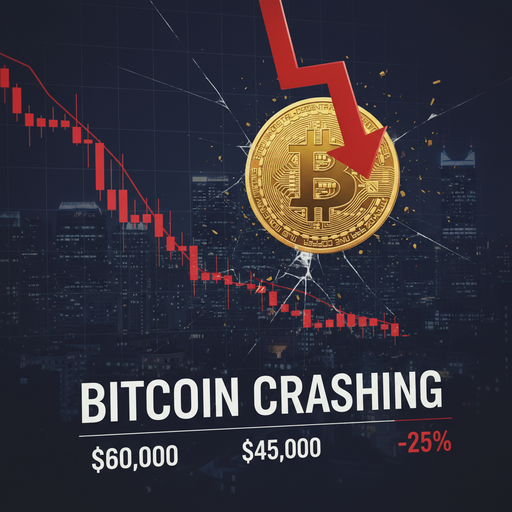
Market volatility continues as BTC breaks below the $74,000 key support level, with altcoins pulling back in sync. Are you buying the dip in batches or waiting for a better entry point?
💬 Today’s Discussion:
1️⃣ Bottom Signals: Where do you see BTC’s bottom — $70,000 or lower?
2️⃣ Market Drivers: Which recent macroeconomic news or rumors are influencing the market?
3️⃣ Dark Horses: Are there any resilient or outperforming tokens worth watching?
ShTap to Trade in Gate Square, Win up to 50 GT & Merch!
Click the trading widget in Gate Square content, complete a transaction, and take home 50 GT, Position Experience Vouchers, or exclusive Spring Festival merchandise.
Click the registration link to join
https://www.gate.com/questionnaire/7401
Enter Gate Square daily and click any trading pair or trading card within the content to complete a transaction. The top 10 users by trading volume will win GT, Gate merchandise boxes, position experience vouchers, and more.
The top prize: 50 GT.
 that will accrue on the outstanding balance, compounded annually.
Payment terms are critical: the document should indicate whether repayment will occur in equal monthly installments, quarterly payments, or according to a custom schedule. All payments typically go first toward accrued interest, then to the principal. A final maturity date ensures everyone knows when the entire loan must be fully repaid.
The borrower (referred to as the “Maker” in legal terms) promises to pay the lender (the “Payee”) according to these terms. The promissory note grants the borrower the right to prepay without penalty or premium, providing flexibility if funds become available sooner.
Payment Schedule and Default Provisions
The repayment schedule forms the backbone of any promissory note. Borrowers and lenders should agree on specific payment amounts and dates well in advance. This prevents ambiguity and allows both parties to plan their finances accordingly.
The promissory note must also address what happens if payments aren’t made on time. Default provisions typically include “Events of Acceleration”—conditions that trigger immediate full repayment of the remaining balance. These events usually include:
Upon default, the lender gains the right to declare the entire note immediately due and payable, rather than waiting for scheduled payments. The borrower may also be responsible for reasonable attorneys’ fees (often capped at 15% of the outstanding balance) and other costs incurred by the lender in enforcing the note.
Legal Protection and Enforceability
For a promissory note to be enforceable, both parties must sign and date the document. The signatures create legal binding obligations and evidence that both the lender and borrower agreed to the terms. The note should specify which state’s laws govern the agreement, ensuring clarity if disputes arise.
The document should include waivers stating that both parties understand their rights and obligations, and that they remain bound even if circumstances change or the lender modifies terms for other creditors. This protects the lender’s position and ensures the borrower cannot claim surprise or unfairness.
While a promissory note doesn’t guarantee repayment, it does provide strong legal evidence of the loan and its terms. If the borrower defaults and the lender needs to pursue court action, the signed promissory note serves as documentation of the agreement and can significantly strengthen the lender’s case.
Many lenders use templates available in multiple formats—Microsoft Word, PDF, and plain text—which can be customized with specific borrower and lender details, loan amounts, and repayment schedules. Creating a clear, detailed promissory note upfront is far easier and less costly than resolving disputes later through litigation.