


Futures
Access hundreds of perpetual contracts
TradFi
Gold
One platform for global traditional assets
Options
Hot
Trade European-style vanilla options
Unified Account
Maximize your capital efficiency
Demo Trading
Introduction to Futures Trading
Learn the basics of futures trading
Futures Events
Join events to earn rewards
Demo Trading
Use virtual funds to practice risk-free trading
Launch
CandyDrop
Collect candies to earn airdrops
Launchpool
Quick staking, earn potential new tokens
HODLer Airdrop
Hold GT and get massive airdrops for free
Launchpad
Be early to the next big token project
Alpha Points
Trade on-chain assets and earn airdrops
Futures Points
Earn futures points and claim airdrop rewards


More

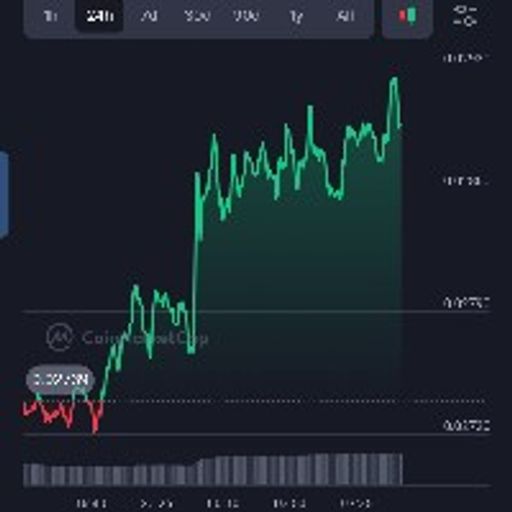



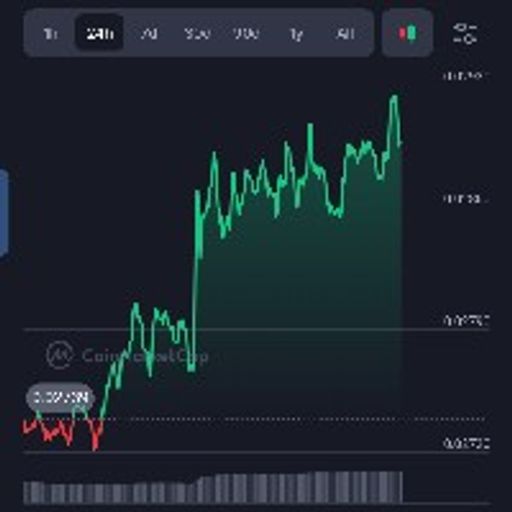
Bitcoin just broke back above $71,500 and total market capitalization gained $50 billion in just 3 hours.
After five weeks of decline, this rebound is fueled by $1.5 billion in inflows over five days, driven largely by spot Bitcoin ETFs. The numbers speak for themselves: $167 million on March 9, nearly $247 million on March 10.
But what makes this sequence particularly interesting is the context in which it unfolds.
Trump is pushing Jerome Powell to cut rates without waiting for the next FOMC meeting. If this pressure succeeds, the effects on risky asset markets (like crypto) could be significant.
A more accommodative monetary policy has historically tended to support appetite for assets like Bitcoin.
In parallel, Hester Peirce is proposing an innovation exemption at the SEC to allow experimentation around tokenized securities.
This is a strong signal: American regulation seems to want to move toward more flexibility rather than more rigidity.
Are we witnessing the beginning of a new structural bull cycle, supported both by institutional demand via ETFs, possible monetary easing and regulation finally loosening in the United States?
Or does this rebound remain fragile as long as the global geopolitical and macroeconomic context is not stabilized?