the sandbox gaming

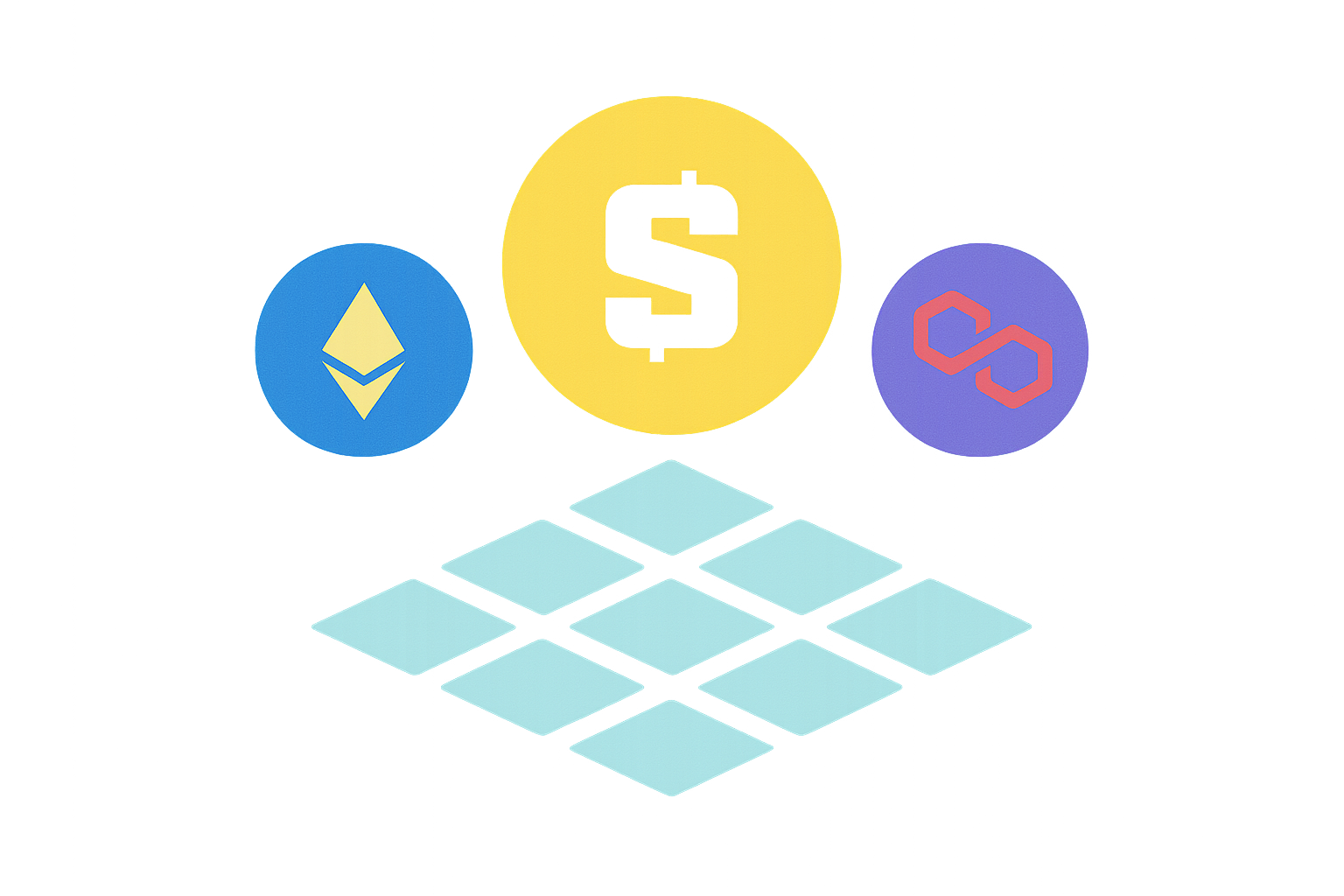
The Sandbox is a user-generated content platform built on Ethereum and compatible with Polygon. Players use the SAND token for payments, rewards, and governance. Land (LAND) and assets (ASSET) are represented as NFTs, ensuring verifiable ownership. Users can leverage VoxEdit and Game Maker to create interactive experiences, which can then be traded, operated, or rented in the marketplace. This fosters an open ecosystem for both creators and participants.
Abstract
1.
The Sandbox is a decentralized metaverse gaming platform built on Ethereum, enabling users to create, own, and trade virtual assets and experiences.
2.
Core assets include LAND (virtual land NFTs) and SAND (governance and utility token), forming a complete virtual economy ecosystem.
3.
Provides no-code Game Maker and 3D modeling tool VoxEdit, lowering the barrier for content creation and empowering creators to monetize their work.
4.
Attracts major brands and IPs like Snoop Dogg and Adidas, driving the growth of Web3 gaming and virtual real estate markets.
the sandbox gaming

What is TheSandbox?

TheSandbox is a blockchain-based user-generated content (UGC) gaming platform where players can both enjoy experiences created by others and design, own, and monetize their own digital assets. The platform uses the SAND token as its native utility and governance currency, while assets like LAND and ASSET are issued as NFTs to establish on-chain ownership rights.

In traditional online games, characters and items are stored on company servers, giving players only usage rights. In contrast, TheSandbox mints LAND (virtual land plots) and ASSET (in-game items) as NFTs—effectively blockchain-verified certificates of ownership—allowing players to hold verifiable ownership and transfer rights over their digital property.

Why is TheSandbox Known as a UGC Platform?

TheSandbox prioritizes UGC (User Generated Content) by providing two core toolsets: VoxEdit for creating voxel-based 3D assets, and Game Maker for assembling game experiences without requiring coding skills.

UGC means that content is created by the community, not just a central team. Creators can design narratives, quests, and items, package them into experiences, and publish for others to play. Players can earn SAND rewards, tickets, or item sales, creating a cycle of creation, consumption, and further creation that fuels the ecosystem.

What Are the Core Assets of TheSandbox?

TheSandbox revolves around three main asset types:

  • SAND: The platform's ERC-20 utility and governance token used for payments, participating in governance, and distributing rewards.
  • LAND: Virtual plots (mainly ERC-721 NFTs) that serve as the foundation for game experiences.
  • ASSET: In-game items and resources (typically ERC-1155 NFTs), such as characters, buildings, and decorative objects.

Think of LAND as "real estate," ASSET as "objects," and SAND as the "currency." Creators build experiences with ASSETs, deploy them on their LAND, and set ticket or item prices in SAND—building a content-driven ecosystem sustained by players.

What Is SAND Used For in TheSandbox?

SAND serves multiple functions: payments, incentives, and governance. Players use SAND to purchase tickets, items, or pay transaction fees. Creators earn SAND through revenue shares or rewards. Token holders can participate in governance votes and submit proposals.

To address high network fees on Ethereum, TheSandbox also supports asset transfers on the Polygon sidechain to reduce costs. SAND can be bridged between Ethereum and Polygon for marketplace trades, event rewards, or staking. Note that cross-chain bridges have associated wait times and fees—always follow official instructions when transferring assets.

How Can Beginners Start Playing TheSandbox?

New users are encouraged to start with gameplay before exploring creation or economic participation.

Step 1: Set up a wallet. A wallet acts as your on-chain account and vault. Popular browser extension wallets allow you to create addresses, sign transactions, and receive assets. Safeguard your seed phrase carefully.

Step 2: Acquire SAND. Buy SAND from compliant exchanges like Gate, then transfer it to your wallet address. Before withdrawing, check the correct network and minimum withdrawal amount, and keep your transaction hash for tracking.

Step 3: Connect to TheSandbox website. Use the official portal to connect your wallet, create your profile and avatar, and explore the “Experiences” and “Events” sections on the homepage. Beginners can start with free or ticketless experiences to get familiar with the controls.

Step 4: Participate in events and quests. Check out seasonal events or leaderboards—completing specific tasks within deadlines can earn you SAND or NFT rewards, usually requiring you to sign a claim transaction.

Step 5: Manage your assets. Review your acquired items or badges in the “Inventory/Assets” section. List items for sale on the marketplace if needed; always select the correct network and set reasonable prices.

How Do You Create and Monetize Content in TheSandbox?

Creation and monetization are closely linked in TheSandbox. The typical workflow is: use VoxEdit to build assets, assemble playable experiences with Game Maker, then deploy on LAND and publish to the marketplace.

VoxEdit enables you to construct 3D models—characters, buildings, interactive objects—using voxels like digital LEGO blocks. Completed assets can be minted as ASSET NFTs with defined rarity, quantity, and royalties.

Game Maker offers visual logic templates; drag-and-drop tools let you configure NPCs, quests, mechanics, and outcomes. Upon publishing, you can set ticket prices or in-app purchase rates in SAND with automatic revenue sharing for creators. Monetization options include selling ASSETs, ticket revenues, sponsorships, event rewards, or collecting royalties from marketplace sales.

How Do You Buy LAND in TheSandbox and Plan Its Use?

Buying LAND gives you ownership of a buildable plot where you can launch games or commercial spaces. Before purchasing, clarify your budget, purpose, and site planning.

Step 1: Define your use case and budget. Are you building your own experience, collaborating with partners, or showcasing a brand? Different uses require different plot sizes and locations—account for both purchase price and future development costs.

Step 2: Choose location and proximity. Well-known IPs and brands often cluster in high-traffic zones; proximity to these areas can increase visibility but also cost more. Evaluate visitor flow and thematic fit with your project.

Step 3: Select a purchase channel. Prioritize official sales or verified marketplace listings—always check contract addresses and coordinates to avoid fake NFTs.

Step 4: Complete the transaction and deploy. After purchase, your LAND will appear in your wallet and on your asset dashboard. You can deploy experiences on your LAND or lease it to other creators under revenue-sharing agreements.

Step 5: Continuous operation. Attract visitors through events, updates, or collaborations; combine ticket sales, item transactions, and sponsorships for ongoing revenue streams.

How to Manage On-Chain Costs and Security in TheSandbox

On-chain actions incur gas fees—small payments to miners or validators for processing transactions. As Ethereum mainnet fees can spike during busy periods, TheSandbox supports using Polygon (a Layer 2 network) for some asset transfers to cut costs.

To manage costs:

Step 1: Choose the right network and timing. When using Polygon, batch minting or listing assets spreads out fees; on Ethereum mainnet, transact during off-peak hours for lower costs.

Step 2: Verify contracts and permissions. Only grant approvals to official contracts; set per-transaction spending limits rather than unlimited approvals. Regularly revoke unnecessary permissions in your wallet or via security tools.

Security best practices include safeguarding your seed phrase and private key, never connecting your wallet via suspicious links; verifying TheSandbox’s official website and social media announcements; double-checking amounts, networks, and recipient addresses before withdrawals or cross-chain operations; staying cautious about “airdrops” or high-yield staking offers.

How Does TheSandbox Differ from Other Platforms?

Unlike traditional sandbox games where assets are tied to user accounts within company databases, TheSandbox uses NFTs to give creators and players true digital ownership—with assets verifiable on-chain and freely transferable or tradable.

Compared to other Web3 metaverse projects, TheSandbox stands out through its voxel art style, no-code creation tools (VoxEdit & Game Maker), and branded content partnerships. Regular themed events and creator competitions drive user engagement; collaborations with well-known IPs bring richer exploration opportunities and commercial potential.

Key Takeaways of TheSandbox

TheSandbox unifies playing, creating, owning, and trading within a single blockchain-based asset system. SAND manages value flows and governance; LAND and ASSET NFTs represent content ownership and user experience rights. Beginners should start with gameplay and community events before progressing to creation or operating LAND; asset purchases should be planned according to budget. Throughout the process, managing on-chain costs and practicing wallet security are crucial. For those interested in Web3 content creation or digital property rights, TheSandbox offers a clear path from creativity to monetization—though token prices, market liquidity, and smart contract risks require careful assessment.

FAQ

As a Beginner in TheSandbox, Should I Buy LAND First or Try Playing Experiences?

It’s best to explore free experiences before considering investment. TheSandbox offers no-cost gameplay and creative workshops so you can get familiar with platform mechanics and community dynamics before buying LAND or SAND tokens. Spending time playing helps you determine whether long-term participation suits you—avoiding impulsive investments.

What If No One Plays the Games I Create on TheSandbox?

If your game has low engagement, focus on improving your promotion strategy. Share your project link within TheSandbox community channels, Discord servers, and social media; participate in platform-sponsored contests for exposure; collaborate with other creators for cross-promotion. Consistently enhance game quality and introduce innovative features to grow your player base over time.

Can TheSandbox Virtual Assets (SAND & LAND) Be Cashed Out Anytime?

SAND and LAND can be traded on exchanges or secondary marketplaces but need to be sold via platforms like Gate before converting to cash—the process is subject to market price fluctuations. Pay attention to on-chain gas fees and exchange commissions during transactions; use platforms with strong liquidity for optimal pricing.

How Is Revenue Shared Among Multiple Creators Collaborating on a Game in TheSandbox?

The platform does not provide automated revenue-sharing tools—distribution must be agreed upon among creators beforehand. You can use smart contracts or multi-signature wallets for automatic splits or have a lead creator manage manual payouts. It’s best practice to formalize contributions in writing to prevent future disputes.

Can Published Games on TheSandbox Be Modified or Removed After Release?

Published games can be updated or enhanced by uploading new versions; full removal may impact existing players’ experiences—thorough testing prior to release is recommended. If critical issues arise post-launch, provide feedback via community channels or reach out to the official team for assistance.

A simple like goes a long way

Share

Related Glossaries
Axie Infinity
Axie Infinity is an on-chain game centered around NFT pets known as Axies. Players participate in its economic system by collecting, battling, and breeding Axies, with related tokens including AXS and SLP. The game operates on the Ronin network, where asset ownership is recorded on-chain. Rewards and marketplace trading are integrated, and users can trade tokens on exchanges such as Gate to manage participation costs.
Define Guild
A guild is an online organization that collaborates around shared goals. In the crypto space, guilds often operate as DAOs (Decentralized Autonomous Organizations), using tokens or NFTs as membership credentials. Through voting and established rules, guilds manage resources, organize activities such as play-to-earn gaming, on-chain quests, educational initiatives, and research. They also participate in trading, airdrops, and community events to enhance engagement efficiency and maximize member rewards.
Valhalla Definition
Valhalla is an on-chain game and metaverse developed within the Floki ecosystem. Player progress and in-game items are recorded on the blockchain, making the game's ledger transparent and publicly accessible. Game assets are typically represented as NFTs, ensuring their uniqueness and enabling trading. The FLOKI token serves as the medium for in-game transactions and broader ecosystem interactions. Valhalla integrates gaming, asset ownership, and community participation into a unified experience.
Crypto Gaming
Crypto games integrate blockchain capabilities into video games, allowing players to manage their accounts and in-game assets through digital wallets. In these games, items are typically represented as NFTs (non-fungible tokens), while rewards and currencies are issued as tokens. Key transactions are recorded on-chain, ensuring transparency and security. Crypto games emphasize verifiable ownership and open marketplaces, enabling asset transfer across different games and supporting player-driven governance mechanisms.
iğo
Initial Game Offering (IGO) is a fundraising mechanism used by blockchain-based games prior to their official launch. Through exchanges or dedicated launch platforms, early users can participate to obtain game tokens or NFTs. The typical process includes eligibility verification, snapshot of holdings, allocation of subscription, listing for trading after the Token Generation Event (TGE), and phased unlocking of locked assets. Participation usually requires USDT or platform-specific tokens, making IGOs suitable for users who are optimistic about the game’s ecosystem. However, it is important to be aware of potential price volatility and project delivery risks.

Related Articles

What Is Fundamental Analysis?
Intermediate

What Is Fundamental Analysis?

Suitable indicators and tools combined with crypto news make up the best possible fundamental analysis for decision-making
2025-08-12 10:42:08
What Are Altcoins?
Beginner

What Are Altcoins?

An altcoin is also known as a Bitcoin Alternative or Alternative Cryptocoin, which refers to all cryptocurrencies other than Bitcoin. Most of the cryptocurrencies in the early stage were created through forking (copying Bitcoin codes).
2022-11-21 08:49:07
What is Blum? All You Need to Know About BLUM in 2025
Intermediate

What is Blum? All You Need to Know About BLUM in 2025

Blum is a unique mini-app accessible on Telegram. Its goal is to redefine cryptocurrency trading by offering a hybrid exchange that combines access to tokens from centralized and decentralized exchanges within a single platform.
2025-05-22 02:44:00