What is DePIN in Cryptocurrency?

2026-01-06 02:33:46
Altcoins
Blockchain
Crypto Ecosystem
DePIN
Web 3.0
Article Rating : 5
102 ratings
# Understanding DePIN: A Comprehensive Guide to Decentralized Physical Infrastructure Networks Decentralized Physical Infrastructure Networks (DePIN) extend blockchain technology into real-world systems across energy, storage, transportation, and telecommunications sectors. This guide explores how DePIN combines blockchain and IoT to eliminate centralized intermediaries, enhance security, and democratize resource access. From Filecoin's decentralized storage to Render's GPU computing solutions, DePIN projects are transforming infrastructure ownership and economic participation. Whether you're a developer, investor, or community member, discover the practical applications, token incentives, and growth opportunities within DePIN ecosystems—where the global DePIN market approaches 3.5 trillion USD potential by 2028.
What is DePIN in Cryptocurrency?
Introduction

Blockchain technology has transformed numerous aspects of our lives, from finance to digital art. However, these transformations extend beyond the digital realm—blockchain is increasingly being applied to various areas of the physical world. This connection has given rise to the concept of DePIN, or Decentralized Physical Infrastructure Networks.

What are Decentralized Physical Infrastructure Networks?

DePIN represents the application of blockchain technology to physical infrastructure and systems. These networks leverage blockchain and other advanced technologies to create decentralized infrastructure for energy systems, supply chains, telecommunications, transportation systems, and beyond.

The core principle of DePIN is to extend the decentralization principles that define blockchain technology into tangible, real-world infrastructure. By doing so, DePIN aims to create more resilient, transparent, and efficient systems that serve communities and individuals rather than centralized entities.

How DePIN Works

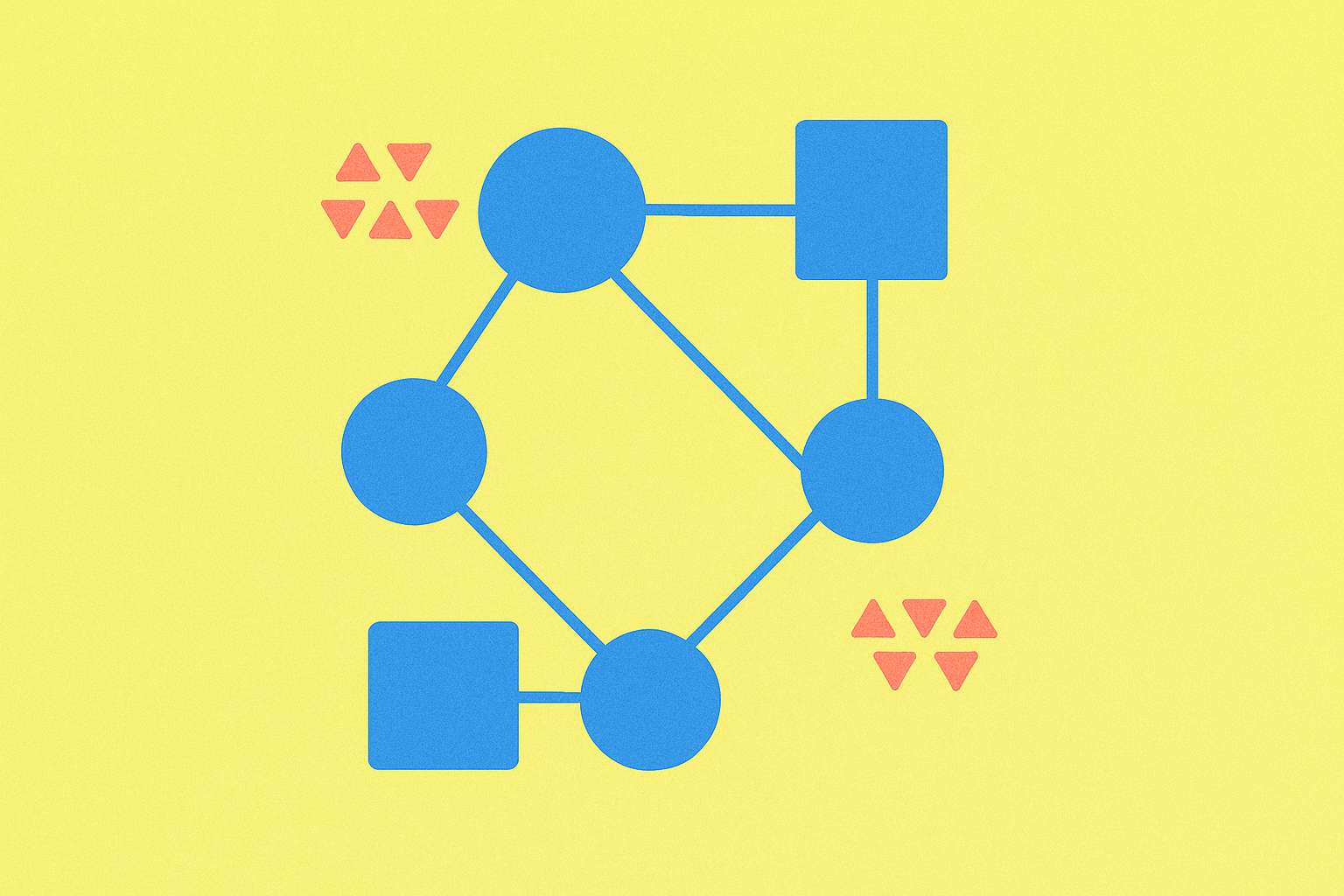
DePIN systems operate by decentralizing network control through blockchain technology. Typically, DePIN networks combine blockchain technology with Internet of Things (IoT) infrastructure.

Blockchain serves as a secure and transparent ledger that records transactions and data exchanges within the network. It ensures trust and transparency through immutable records of all transactions. IoT, on the other hand, comprises interconnected devices that collect and share data in real time. In a DePIN system, these devices communicate with each other and interact with the blockchain database, enabling autonomous and responsive interactions within physical infrastructure.

DePIN leverages blockchain to distribute authority across networks and can be applied in various sectors, including energy, supply chains, telecommunications, data storage, transportation, and real estate. For example, in the energy sector, decentralized networks can facilitate peer-to-peer energy trading, where all interactions are recorded on a transparent blockchain. Smart contracts can automate transactions, improving efficiency and promoting renewable energy adoption. In some cases, users may also receive cryptocurrency rewards in exchange for participating in and developing the network.

Advantages of DePIN

Security and Efficiency

DePIN networks can enhance the security and efficiency of physical infrastructure by eliminating single points of failure and reducing the risk of fraud or manipulation. Transactions and data exchanges on the blockchain are protected through cryptography, while the distributed database architecture provides protection against attacks and unauthorized access.

Transparency and Traceability

In industries such as supply chain management, DePIN networks offer significant transparency and traceability benefits. By recording each stage of production and distribution on the blockchain, companies can ensure product authenticity and integrity. This helps prevent fraud, counterfeiting, and other illicit activities, providing consumers and businesses with greater confidence in the products they purchase.

Resource Democratization

DePIN networks can expand access to critical resources such as energy and transportation. Rather than relying solely on centralized providers, individuals and communities can directly participate in the production, distribution, and consumption of these resources. For instance, in a decentralized energy system, homeowners could generate and sell excess electricity to their neighbors, creating a more equitable and sustainable energy ecosystem.

Economic Empowerment

By decentralizing control over physical infrastructure, DePIN networks expand economic opportunities for individuals and communities. DePIN enables peer-to-peer transactions and incentivizes participants through token rewards. This creates new possibilities for entrepreneurship and innovation, particularly in underserved or marginalized communities, fostering inclusive economic growth.

Examples of DePIN Projects

Filecoin

Filecoin addresses the need for decentralized data storage solutions through blockchain technology. The platform allows users to rent out unused storage space in exchange for cryptocurrency. This decentralized network ensures data security, redundancy, and availability through a distributed network of storage providers, offering an alternative to traditional centralized cloud storage services.

Render

Render is a DePIN project that provides decentralized GPU-based rendering solutions. The network connects node operators who wish to monetize unused GPU computing power with artists and developers who need to scale applications and 3D rendering tasks. Render also offers a platform where artists and developers can create services and applications, fostering a collaborative ecosystem.

The Graph

The Graph is a decentralized protocol for indexing and querying blockchain data. It organizes data and makes it accessible to anyone who needs it. The Graph Explorer enables developers to search, discover, and publish all publicly available data necessary for building decentralized applications (DApps), facilitating easier access to blockchain information.

Challenges and Future Prospects

While DePIN technology holds substantial potential, its implementation is not without challenges. Several key obstacles stand in the way of widespread adoption, including regulatory requirements, technical scalability issues, and compatibility concerns. Additionally, integrating blockchain with physical systems requires robust security measures and user-friendly interfaces.

Despite these challenges, the future of DePIN appears promising. As technology continues to evolve and innovations emerge, DePIN projects are likely to overcome existing obstacles and unlock new possibilities for decentralized physical infrastructure. DePIN has the potential to transform how we interact with the physical world, enabling individuals and communities to build and control their own infrastructure and resources.

Conclusion

Decentralized Physical Infrastructure Networks (DePIN) provide autonomy and transparency through blockchain and Internet of Things technologies. By combining these technologies, DePIN enhances the security, efficiency, and transparency of physical infrastructure while expanding access to essential resources such as energy and transportation. As the technology matures and adoption increases, DePIN networks are expected to play an increasingly important role in creating more resilient, equitable, and sustainable systems for communities worldwide.

FAQ

What is DePIN and how does it differ from traditional centralized infrastructure?

DePIN is a decentralized physical infrastructure network where control is distributed across participants rather than centralized entities. Unlike traditional infrastructure, DePIN improves resource accessibility, reduces single points of failure, and enables more efficient allocation through community participation and incentive mechanisms.

What are the practical application cases of DePIN? Such as storage, computing, communication and other fields?

DePIN applications include distributed file storage, cloud computing, wireless networks, IoT sensors, and energy grids. Examples: decentralized storage platforms, computing networks, and mesh communication systems powered by community participants.

How to participate in DePIN projects? What are notable DePIN tokens and projects?

Participate by becoming a node operator or user. Notable DePIN tokens include Envirobloq, Drop Wireless, and HealthBlocks on IoTeX. These projects offer economic incentives, community support, and token rewards for network participation.

What are the main risks and challenges facing DePIN?

DePIN faces regulatory compliance risks, token trading restrictions, data security concerns, and potential illegal activities. Challenges include unclear mining classifications, illegal fundraising detection, data cross-border flow restrictions, and talent shortages. Product experience gaps and market adoption barriers also hinder development.

What are the future prospects of DePIN and what is the expected market size?

DePIN has strong growth prospects with market size expected to reach 3.5 trillion USD by 2028. The sector shows potential gains exceeding 400x, driven by increasing adoption of decentralized physical infrastructure networks globally.

* The information is not intended to be and does not constitute financial advice or any other recommendation of any sort offered or endorsed by Gate.
Related Articles
How Active is the Community and Ecosystem of Akash Network (AKT) in 2025?

How Active is the Community and Ecosystem of Akash Network (AKT) in 2025?

The article explores the dynamic community and thriving ecosystem of Akash Network (AKT) in 2025, highlighting milestones such as 1 million social media followers and significant growth in daily on-chain transactions. It addresses how Akash's active engagement through events like competitions and meetups fosters community strength. Additionally, it discusses Akash's successful launch of 218 projects, including 51 focused on decentralized physical infrastructure networks (DePIN). Readers interested in the growth and impact of decentralized cloud computing solutions will find insights on Akash's market performance and community involvement.
2025-10-26 08:14:20
What is MVL: Understanding the Multi-Value Logic System in Modern Computing

What is MVL: Understanding the Multi-Value Logic System in Modern Computing

The article explores the Multi-Value Logic (MVL) system in modern computing and its transformative role in the mobility industry through blockchain technology. It highlights MVL's evolution, its decentralized architecture, and its substantial user base. The content addresses how MVL enhances transparency and efficiency in ride-hailing and electric vehicle sectors, catering to technologists and blockchain enthusiasts. Structured to provide a comprehensive understanding, the article covers MVL's origins, market impact, ecosystem applications, and potential challenges, presenting a detailed analysis for readers interested in blockchain-based mobility innovations. Key information includes participation methods through Gate.
2025-09-28 14:42:33
How Active is Pi Network's Community in 2025?

How Active is Pi Network's Community in 2025?

The article explores the dynamic growth of the Pi Network's community, focusing on its achievements such as reaching 13 million users, activating 400,000 nodes, and circulating 22 billion tokens. It addresses challenges in real-world adoption and utility while highlighting strategic goals like user expansion and ecosystem development through Pi Network Ventures. Targeted at crypto enthusiasts, developers, and potential investors, the article outlines the network's evolution post-mainnet launch, innovative mobile mining approach, and aims to attract more users to ensure long-term viability. Key metrics and comparisons emphasize scalability, decentralization, and user engagement.
2025-10-17 12:45:57
What is GEOD: Understanding the Global Environmental Observation Database and Its Impact on Climate Research

What is GEOD: Understanding the Global Environmental Observation Database and Its Impact on Climate Research

The article delves into the Global Environmental Observation Database (GEOD), highlighting its role in revolutionizing precise location services and space weather monitoring through GEODNET. By leveraging blockchain technology, GEODNET addresses the limitations of traditional GPS, offering centimeter-level positioning accuracy. The article explores its decentralized network structure, secure blockchain implementation, and real-world applications such as geospatial data and space weather monitoring. It targets industries requiring high-precision location data, discusses market performance including token circulation and prices, and examines community engagement. By outlining its historical milestones, current ecosystem, and future roadmap, the article positions GEODNET as a pivotal player in decentralized geospatial technology advancements.
2025-09-30 08:26:16
How Does FIL Compare to Its Competitors in Performance, Market Cap, and User Base?

How Does FIL Compare to Its Competitors in Performance, Market Cap, and User Base?

The article compares Filecoin (FIL) to its competitors in the decentralized storage market, focusing on performance metrics, market capitalization, and user base growth. Filecoin's competitive pricing, reliability, and integration with emerging technologies strengthen its market position, which is bolstered by impressive growth and partnerships. Additionally, its unique value propositions and practical utility are explored, highlighting FIL's advantage in addressing real-world storage needs. The content targets stakeholders in the blockchain and Web3 sectors, offering insights into FIL's strategic advantages and market leadership. Keywords include: Filecoin, decentralized storage, performance, market cap, user growth, utility.
2025-11-08 08:19:21
How Does HNT Compare to Its Competitors in Performance, Market Cap, and User Base?

How Does HNT Compare to Its Competitors in Performance, Market Cap, and User Base?

This article examines Helium Network's (HNT) performance within the decentralized wireless ecosystem, comparing key metrics like price, market cap, and user base against its competitors. It highlights Helium's strategic advantages, such as its unique tokenomics and substantial network growth, suggesting a strong position in the market despite certain challenges. The piece addresses the needs of investors and crypto enthusiasts seeking insight into HNT’s competitiveness and growth potential. The article is structured to outline performance comparisons, market share dynamics, and user base analysis, offering a comprehensive overview that emphasizes efficiency and readability. Key insights include Helium's expanding 5G infrastructure and its significant user engagement, with implications for the broader IoT and telecom markets.
2025-10-28 10:39:59
Recommended for You
How does TIMI token holder concentration and exchange fund flows impact trading opportunities in 2026?
How does TIMI token holder concentration and exchange fund flows impact trading opportunities in 2026?

This comprehensive guide analyzes TIMI token market dynamics through three critical dimensions impacting 2026 trading strategies. With $95.48 million in perpetual futures open interest and $369.17 million concentrated liquidity, the derivative ecosystem presents substantial opportunities for sophisticated traders exploiting localized volatility. However, TIMI's concentrated holder distribution across 30,900 addresses amplifies price volatility and creates execution inefficiencies that demand strategic positioning. The 999-day token unlock mechanism provides predictable supply expansion windows, enabling traders to anticipate institutional capital reallocation cycles and model capital flows with precision. This analysis equips traders with on-chain insights for identifying high-probability entry points, navigating holder concentration risks, and capitalizing on exchange fund flow dynamics throughout 2026.
2026-01-08 08:22:10
What is tokenomics: token allocation, inflation mechanisms, and governance utility explained

What is tokenomics: token allocation, inflation mechanisms, and governance utility explained

This comprehensive guide explores tokenomics fundamentals essential for cryptocurrency investors and developers. It examines three core pillars: token allocation mechanisms that balance team, investor, and community stakes through strategic vesting schedules and burn protocols; inflation and deflation design strategies that manage supply dynamics and value stability across different project maturity stages; and governance utility systems that incentivize stakeholder participation while controlling circulation. The article addresses critical questions about tokenomics importance, reasonable inflation rates, and risk assessment through real-world examples from Bitcoin, Ethereum, and failed projects like Terra. Readers will understand how sustainable tokenomics design directly impacts long-term ecosystem viability, investor confidence, and community engagement on platforms like Gate.
2026-01-08 08:19:25
How do crypto exchanges like Binance, gate, and Kraken compare in market share and user base in 2026
How do crypto exchanges like Binance, gate, and Kraken compare in market share and user base in 2026

This comprehensive analysis examines the global cryptocurrency exchange landscape in 2026, comparing market dominance, user acquisition, and competitive positioning across three industry leaders. Binance commands 25% market share with 150 million users, establishing unmatched liquidity and product breadth. Gate maintains 8% market share and 12 million users, while Kraken holds 6% and 8 million users respectively. The article explores how these platforms differentiate through trading fee structures, security infrastructure, and regulatory compliance frameworks. Readers gain clear insights into exchange selection criteria, operational distinctions, and market dynamics shaping the $3.2 trillion cryptocurrency trading sector. Ideal for traders, investors, and stakeholders evaluating exchange platforms for optimal trading experience and asset security.
2026-01-08 08:17:23
What is cryptocurrency price volatility and how does it affect Bitcoin and Ethereum correlations?

What is cryptocurrency price volatility and how does it affect Bitcoin and Ethereum correlations?

This comprehensive guide explores cryptocurrency price volatility and its impact on Bitcoin-Ethereum market correlations. Bitcoin demonstrated 54% volatility in 2025, reaching over $100,000 with institutional adoption driving stability, while Ethereum exhibited over 200% volatility range, reflecting its innovation-driven nature. The article analyzes how these distinct volatility profiles influence correlations, which historically average 0.831-0.98, yet experience significant divergence during market shocks like COVID-19, Terra-Luna collapse, and regulatory events. Through technical analysis, momentum indicators, and macroeconomic factors assessment, readers learn how volatility spillovers create synchronized or divergent price movements. The guide addresses practical investment strategies including diversification, risk management, and portfolio rebalancing in volatile cryptocurrency markets. Essential for traders and investors leveraging Gate for cryptocurrency trading.
2026-01-08 08:15:22
How to Use MACD, RSI, and Bollinger Bands for Crypto Trading Signals in 2026

How to Use MACD, RSI, and Bollinger Bands for Crypto Trading Signals in 2026

This comprehensive guide covers three essential technical indicators—MACD, RSI, and Bollinger Bands—that form the foundation for identifying reliable crypto trading signals in 2026. MACD tracks trend reversals through moving average crossovers, RSI measures momentum to detect overbought and oversold conditions, while Bollinger Bands visualize volatility dynamics and support resistance levels. By combining these indicators strategically, traders achieve 70-75% accuracy in identifying extreme market conditions and reduce false breakout risks. The article explores moving average crossovers with 7-10% profit potential, volume-price divergence patterns for bearish signals, and practical implementation techniques on platforms like Gate. Perfect for traders seeking to enhance market timing accuracy and construct more reliable entry and exit strategies through multi-indicator confirmation.
2026-01-08 08:10:20
What is on-chain data analysis and how does it track active addresses, transaction volume, whale movements, and network fees in 2026?

What is on-chain data analysis and how does it track active addresses, transaction volume, whale movements, and network fees in 2026?

On-chain data analysis serves as essential blockchain intelligence infrastructure, aggregating active addresses, transaction volume, whale movements, and network fees to reveal real-time network activity and market sentiment. In 2026, platforms like Santiment and CoinAPI enable traders and institutions to monitor blockchain health through core metrics functioning as leading indicators. Layer 2 scaling solutions demonstrate explosive adoption, processing over 60% of transactions with dramatically reduced fees—zkSync Era averages just $0.0291 per transaction. Whale accumulation strategies and fee market evolution provide critical indicators of sustainable network growth versus speculation. Leveraging zero-knowledge proof protocols, predictive analytics on Gate exchange and across blockchains anticipate market movements while maintaining regulatory compliance and privacy protections, making on-chain data analysis indispensable for informed cryptocurrency decision-making.
2026-01-08 08:06:55
