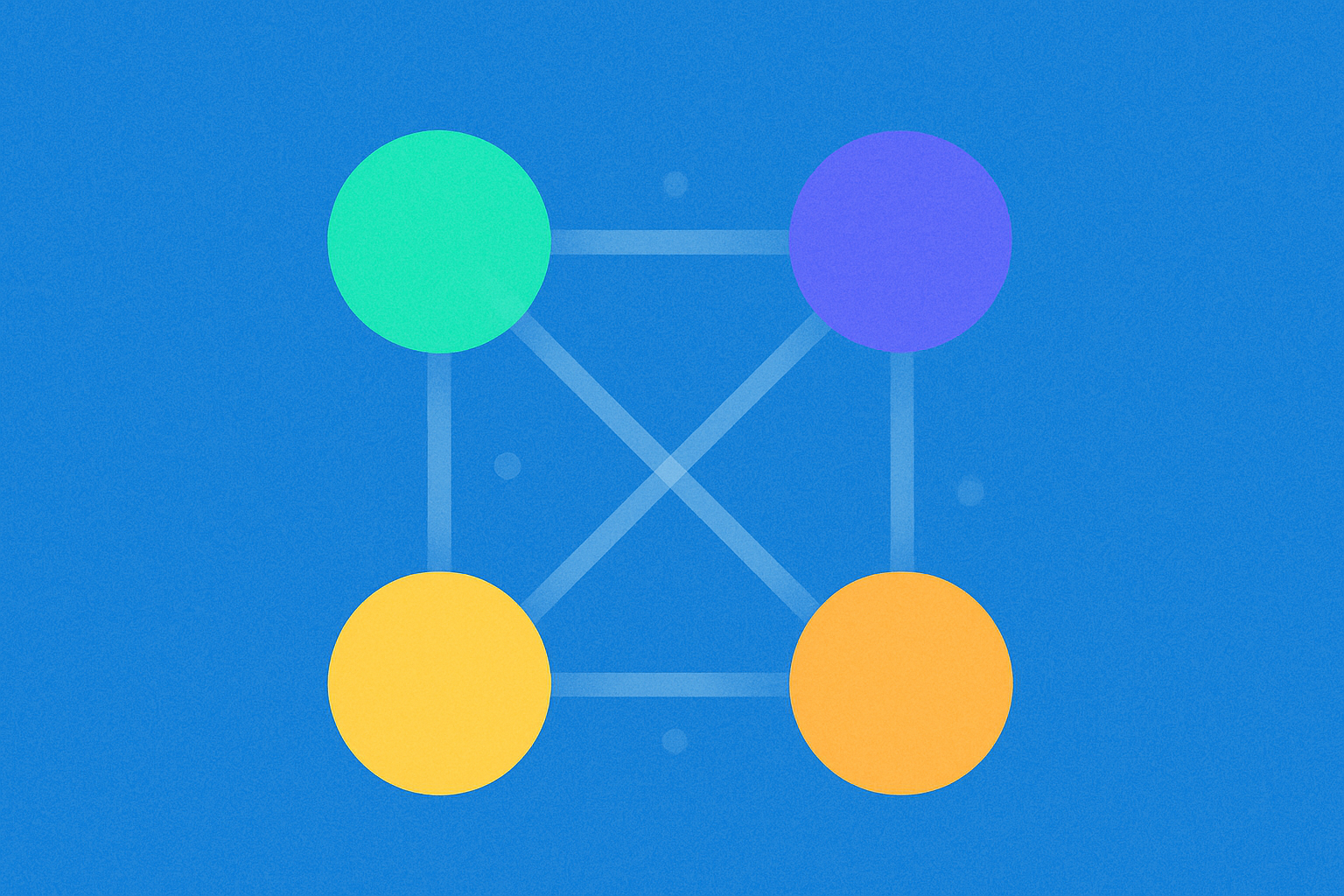
LayerZero est un protocole dédié à la communication inter-chaînes, permettant l’échange sécurisé de messages entre plusieurs blockchains pour faciliter les transferts d’actifs ou la synchronisation de données. Les messages inter-chaînes s’apparentent à des « étiquettes d’expédition », tandis que les actifs ou instructions sont les « colis » acheminés.
Sur chaque blockchain, LayerZero déploie un « endpoint », équivalent à un hub logistique pour l’envoi et la réception de messages. La validité des messages est vérifiée par des validateurs indépendants avant que les relayers ne transmettent les résultats confirmés à la chaîne de destination. Les utilisateurs ne traitent pas directement avec LayerZero ; ils passent par des applications intégrées telles que Stargate pour les transferts inter-chaînes.
Comment fonctionne LayerZero ?
LayerZero fonctionne ainsi : l’endpoint de la chaîne source prépare le message à transmettre. Des validateurs indépendants vérifient l’origine et les informations de bloc du message. Les relayers soumettent le résultat de la validation et le message à l’endpoint de la chaîne de destination, qui exécute la logique du smart contract uniquement après validation.
Les endpoints sont des composants de smart contract chargés de l’envoi, de la réception et de la validation des messages. Les oracles jouent le rôle d’« auditeurs d’information » indépendants, fournissant les en-têtes de bloc ou preuves requises de la chaîne source. Les relayers agissent comme des « coursiers », transmettant preuves et messages à la chaîne de destination. Depuis la version 2, LayerZero introduit le Decentralized Verification Network (DVN), qui permet aux applications de personnaliser leurs ensembles de validateurs pour renforcer l’indépendance et la tolérance aux défaillances.
Cette architecture évite les coûts élevés liés à l’exécution de nœuds légers sur chaque chaîne et permet aux applications d’ajuster le niveau de sécurité et de coûts selon les besoins, par exemple en configurant plus de validateurs et des critères de confirmation renforcés pour les transactions à forte valeur.
Comment LayerZero assure-t-il la sécurité ?
LayerZero améliore la sécurité grâce à une validation indépendante multipartite et une configuration flexible. Les applications peuvent choisir plusieurs validateurs (membres du DVN) et exiger un seuil de confirmations pour valider une opération, réduisant ainsi le risque de point de défaillance unique ou d’exécution malveillante.
Chaque message généré sur la chaîne source est lié à des informations de bloc et des numéros de séquence pour prévenir les attaques par rejeu ou la falsification. Les relayers acheminent les messages mais ne décident jamais seuls de leur validité ; l’exécution par l’endpoint de destination n’a lieu qu’après validation.
Auparavant, la validation et la livraison étaient généralement assurées par un seul Oracle et Relayer, avec des opérateurs indépendants choisis pour limiter la collusion. Le DVN de la version 2 décentralise, modularise et rend le choix des validateurs interchangeable, permettant d’ajuster la sécurité selon les besoins métiers.
Quelles sont les possibilités offertes par LayerZero ?
LayerZero permet des scénarios « omnichain » : gestion unifiée d’actifs, d’identités ou d’états sur plusieurs blockchains. Exemples :
- Paiements cross-chain en stablecoins : initiation d’un transfert sur une chaîne, réception d’actifs ou d’états équivalents sur la chaîne cible. Stargate est une application de liquidité inter-chaînes basée sur LayerZero.
- Omnichain NFTs : maintien du statut de propriété unique d’un NFT sur plusieurs chaînes, permettant à des jeux ou systèmes d’adhésion de reconnaître les actifs des utilisateurs sur différentes blockchains.
- Prêt et rendement cross-chain : nantissement d’actifs sur la chaîne A, emprunt ou rendement sur la chaîne B ; les protocoles utilisent LayerZero pour communiquer les liquidations ou modifications de taux d’intérêt.
- Gouvernance cross-chain : synchronisation des résultats de vote et des mises à jour de paramètres depuis les chaînes de gouvernance vers des sidechains opérationnelles pour assurer la cohérence.
En 2024, LayerZero couvre les principaux écosystèmes de chaînes (Ethereum, BNB Chain, Arbitrum, Optimism, Avalanche, Polygon, etc.), permettant aux développeurs d’ajouter des fonctionnalités inter-chaînes sans réécrire l’ensemble de leurs smart contracts.
Comment utiliser LayerZero ?
Pour les utilisateurs, l’usage de LayerZero se fait via des applications intégrées comme Stargate pour le bridging d’actifs.
Étape 1 : Connectez votre wallet. Sur une application compatible, connectez votre wallet et vérifiez votre réseau actuel ainsi que le réseau cible.
Étape 2 : Sélectionnez les actifs et les chaînes. Choisissez le token à transférer, la chaîne source et la chaîne de destination ; vérifiez les montants minimums et les paramètres de slippage.
Étape 3 : Vérifiez les frais. Les transferts inter-chaînes impliquent des frais de gas sur les deux blockchains et des frais spécifiques à l’application ou au bridge ; les coûts varient selon la congestion et les délais.
Étape 4 : Soumettez et attendez. Les messages sont préparés sur la chaîne source, validés, puis transmis par les relayers à la chaîne de destination ; le délai de traitement varie de quelques secondes à plusieurs minutes selon la vitesse et la finalité des blocs.
Étape 5 : Vérifiez vos actifs sur la chaîne de destination. Une fois le transfert terminé, consultez votre solde dans le wallet ou sur un block explorer. Si vous déposez sur une plateforme comme Gate, assurez-vous de sélectionner le même réseau que celui de destination de l’actif ; une erreur de réseau peut empêcher le dépôt.
Les développeurs peuvent déployer des contrats endpoint sur plusieurs chaînes, configurer le DVN et les flux de messages, et adapter les opérations clés des smart contracts (minting, liquidation, mises à jour de paramètres) pour qu’elles soient déclenchées par des messages inter-chaînes, assurant ainsi une fonctionnalité omnichain complète.
En quoi LayerZero se distingue-t-il des bridges inter-chaînes ?
LayerZero agit comme une « couche de messagerie », tandis que la plupart des bridges inter-chaînes sont une « couche d’actifs ». La couche de messagerie ne conserve ni ne verrouille vos actifs ; elle transmet de façon sécurisée les informations sur les transferts ou changements d’état entre les chaînes. Les bridges d’actifs verrouillent ou brûlent généralement les actifs sur la chaîne source et mintent les équivalents sur la chaîne cible, ou s’appuient sur des pools de liquidité pour les échanges.
Stargate est un bridge d’actifs reposant sur la couche de messagerie LayerZero : il utilise LayerZero pour la transmission et la vérification sécurisée des messages, puis gère les échanges et règlements d’actifs dans ses propres pools de liquidité. Cette séparation permet aux applications d’optimiser indépendamment la sécurité et l’efficacité du capital.
Risques et points de vigilance liés à LayerZero
Les opérations inter-chaînes comportent des enjeux majeurs en matière de sécurité des fonds :
- Risque lié aux composants : vulnérabilités ou erreurs de configuration dans les contrats applicatifs, membres du DVN ou relayers ; privilégiez les applications auditées et reconnues.
- Risque au niveau des chaînes : réorganisations, congestion ou pannes de nœuds sur la chaîne source ou cible pouvant provoquer des retards ou des rollbacks.
- Risque d’actifs et de contrefaçon : vérifiez l’adresse du contrat du token sur la chaîne de destination pour éviter les faux tokens.
- Frais et slippage : les prix et frais inter-chaînes fluctuent, surtout en période de forte activité ; contrôlez toujours le montant minimum reçu.
- Sélection du réseau de dépôt : si vous déposez sur Gate après bridging, assurez-vous que le réseau post-bridge de l’actif correspond au réseau de dépôt de Gate ; une mauvaise sélection complique la récupération de l’actif.
Pour les transferts importants, commencez toujours par un test avec un petit montant pour valider le processus et les frais avant d’effectuer le transfert principal.
Les frais incluent : gas sur les chaînes source et destination, frais de relais ou de bridge, et éventuels frais de service des relayers. Les coûts de gas varient fortement selon la chaîne et la congestion du réseau.
La performance dépend surtout de la finalité des blocs et de la rapidité de chaque chaîne. Sur Ethereum mainnet, les confirmations prennent généralement plusieurs minutes ; la plupart des Layer 2 (Arbitrum, Optimism…) traitent en quelques secondes à quelques minutes en conditions normales. Le délai total d’attente inter-chaînes correspond à la somme des temps de traitement des deux chaînes, plus le temps de validation et de transmission.
À titre de référence : en juin 2024, LayerZero a lancé le token ZRO avec un mécanisme de claim « Proof-of-Donation », suscitant un intérêt accru dans l’écosystème. Toutefois, les frais et la performance dépendent toujours des conditions des chaînes et des paramètres de sécurité des applications, et non du token lui-même.
Points clés sur LayerZero
LayerZero relie les écosystèmes multi-chaînes via sa couche de messagerie inter-chaînes, séparant sécurité et efficacité grâce aux endpoints, à la validation indépendante et à la gestion des relayers, permettant aux développeurs de créer des applications omnichain. Pour les utilisateurs, LayerZero s’utilise via des applications intégrées comme Stargate pour le bridging de stablecoins ; pour les développeurs, le DVN offre des paramètres de sécurité personnalisables. Lors de l’utilisation de LayerZero, surveillez les frais, les délais et les risques on-chain : testez toujours avec de petits montants pour les transferts et vérifiez la sélection du réseau lors des dépôts ou retraits sur des plateformes telles que Gate pour garantir la bonne réception des actifs.
FAQ
Quels sont les avantages de LayerZero par rapport aux solutions traditionnelles de bridge inter-chaînes ?
LayerZero repose sur une architecture ultra-light client, éliminant le besoin de maintenir un ensemble complet de validateurs sur les chaînes de destination, ce qui réduit considérablement les coûts et la complexité des opérations inter-chaînes. Contrairement aux bridges classiques nécessitant des modèles de validation multisignature ou fédérés, LayerZero combine oracle et relayer pour offrir un cadre de confiance flexible où les utilisateurs choisissent leur combinaison de validateurs. LayerZero prend ainsi en charge la communication entre des chaînes hétérogènes avec une scalabilité accrue.
Après l’achat de tokens ZRO sur Gate, comment participer à l’écosystème LayerZero ?
Une fois vos tokens ZRO en portefeuille, vous pouvez les utiliser au sein des applications compatibles LayerZero, notamment pour participer aux votes de gouvernance qui déterminent les paramètres du protocole. Vous pouvez aussi échanger ZRO sur des plateformes comme Gate ou déléguer vos tokens à des validateurs pour contribuer aux opérations du réseau et percevoir des récompenses. Les nouveaux utilisateurs sont invités à découvrir d’abord les applications LayerZero (par exemple les swaps inter-chaînes) pour se familiariser avant d’approfondir leur participation à l’écosystème.
Quelles blockchains LayerZero prend-il en charge pour la communication inter-chaînes ?
LayerZero prend actuellement en charge les principales chaînes compatibles EVM : Ethereum, Arbitrum, Optimism, Polygon, Avalanche, BNB Chain, ainsi que des chaînes non-EVM telles que Solana et Aptos, avec une couverture en constante évolution. Les utilisateurs peuvent consulter les paires de chaînes supportées via la navigation de l’écosystème Gate pour choisir les routes optimales de transfert d’actifs ou d’échange de données.
Pourquoi certaines transactions échouent-elles lors d’opérations inter-chaînes via LayerZero ?
Les échecs inter-chaînes proviennent le plus souvent de la congestion de la chaîne de destination, qui retarde la confirmation par le relayer, de lenteurs de l’oracle ou de frais de gas insuffisants paramétrés par l’utilisateur. Il est recommandé de vérifier l’état de la chaîne de destination, d’augmenter la réserve de frais du relayer si besoin ou de réessayer lorsque les prix du gas sont plus bas. En cas d’échecs répétés, consultez le statut de la transaction dans l’explorer LayerZero pour identifier la cause et ajuster les paramètres.
Quel est le délai moyen d’une transaction inter-chaînes avec LayerZero ?
Le délai de confirmation inter-chaînes via LayerZero dépend du temps de bloc et de la congestion du réseau sur la chaîne de destination : il varie généralement de 15 secondes à plusieurs minutes. Les chaînes majeures comme Ethereum sont rapides ; certaines Layer 2 peuvent être plus lentes en période de forte activité. Les utilisateurs peuvent consulter les délais estimés dans l’interface de confirmation de Gate : évitez les transferts importants aux heures de pointe pour une expérience optimale.