Сегодняшний выпуск подготовлен при поддержке Nexo.
Nexo — платформа, где неактивная криптовалюта начинает работать. Получайте ежедневные проценты на BTC, ETH, стабильные монеты и другие цифровые активы.
Когда вам нужна ликвидность, оформляйте займ под обеспечение ваших активов вместо панической продажи на минимуме рынка.

Без переключения между приложениями. Без продажи долгосрочных активов. Одна платформа, где вы можете:
- Получать доход на основные цифровые активы
- Открывать мгновенные кредитные линии под обеспечение криптовалютой
- Торговать и ребалансировать портфель при изменении рыночной ситуации
- Совершать покупки с помощью криптокарты, когда это выгодно
Если вы цените эффективность капитала — Nexo это то, что нужно!
Здравствуйте
Меня всегда удивляет, как один твит в X может изменить движение капитала и заставить людей делать ставки на криптовалюту. Я сам был в такой ситуации. Вспоминаю, как несколько лет назад вложил значительную часть месячных сбережений в Dogecoin только потому, что Илон Маск написал об этом. Тогда я даже не понимал, что такое криптовалюта.
Но есть капитал, который не приходит в криптоиндустрию из-за твита, подкаста или выступления на конференции. Ему требуется больше: служебная записка от федерального регулятора, согласование рисков и надежная площадка.
Недавнее заявление Комиссии по торговле товарными фьючерсами (CFTC), разрешающее торговлю спотовыми криптопродуктами на биржах, зарегистрированных в CFTC, обеспечивает именно это.
Разрешение CFTC может подтолкнуть крупнейшую институциональную деривативную площадку страны — Чикагскую товарную биржу (CME) — к листингу криптовалют. Если это произойдет, откроется путь для прихода серьезного капитала из традиционных рынков в криптоиндустрию.
В сегодняшнем аналитическом материале я объясню, как этот шаг позволит криптовалютам попасть в то же здание, где США хранят свои самые надежные активы, и почему это важно.
Переходим к теме,
Пратик
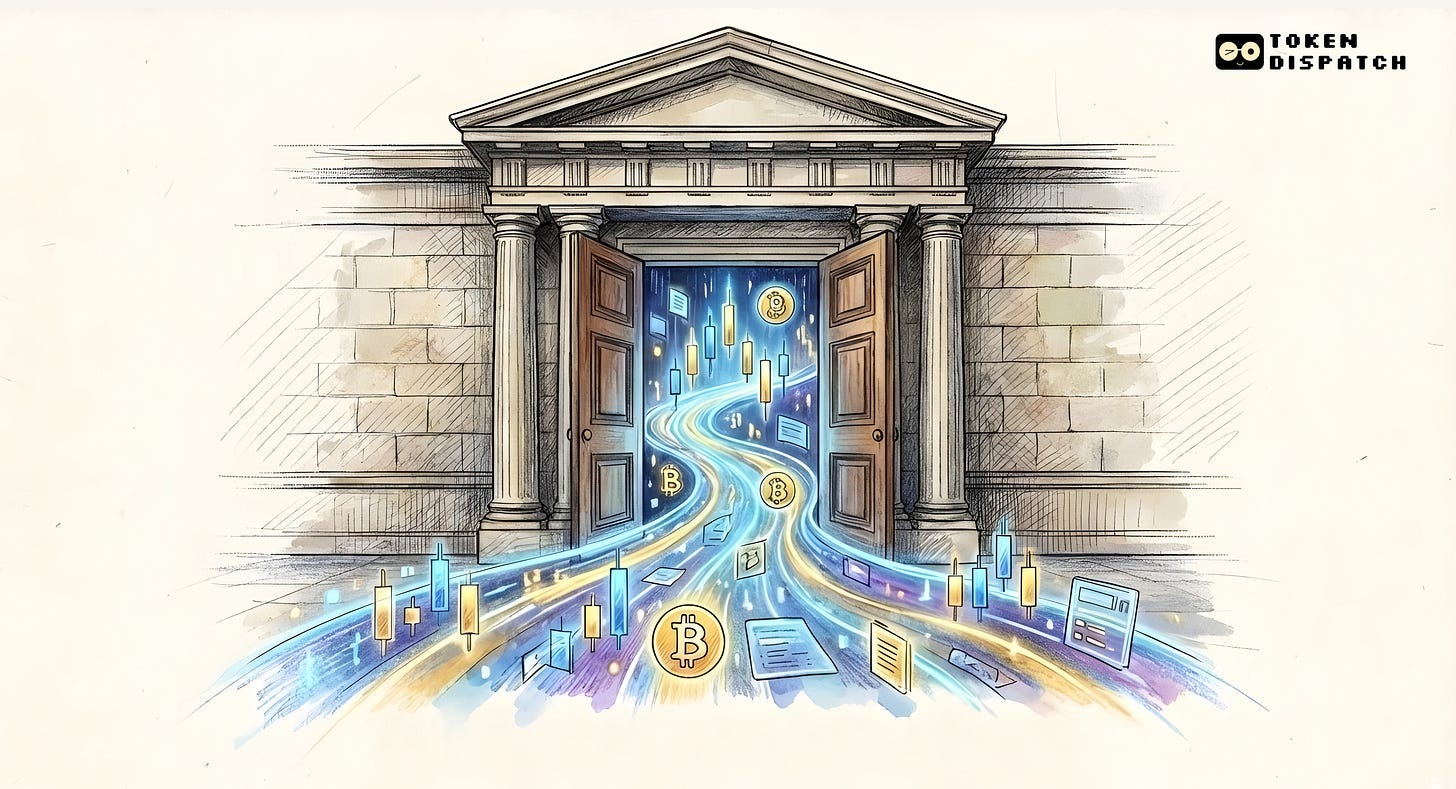
Задолго до появления современных финансовых рынков люди не хотели торговать финансовыми инструментами. Причина была не в отсутствии покупателей и продавцов — их было достаточно. Дело было в недоверии: все опасались, что будет, если другая сторона не сможет расплатиться.
Сегодня этих опасений больше нет. Это стало возможным благодаря появлению современной фондовой биржи, которая формирует доверие через стандартизацию контрактов, требование раскрытия информации и контроль за поведением участников. Эти рынки объединяют все это в систему клиринга и маржинальных требований, чтобы риск расчетов не отпугивал трейдеров каждый день.
Несмотря на идеи о “trustless” системах, доверие в крипторынке дается нелегко. Последнее заявление CFTC может восполнить этот пробел.
Врио председателя CFTC Кэролайн Фам заявила: “…спотовые криптовалютные продукты впервые начнут торговаться на федерально регулируемых рынках США на фьючерсных биржах, зарегистрированных в CFTC.” Фам ожидает, что этот шаг даст американцам “больше выбора и доступ к безопасным, регулируемым рынкам США.”
Обновление меняет границы, где может находиться центр криптоиндустрии, поскольку регулятор стремится интегрировать цифровые активы в основные рынки крупнейшей экономики мира.
Достаточно взглянуть на данные CME, чтобы понять, насколько крупной площадкой она может стать для спотовых крипторынков.
21 ноября объем торгов криптовалютными фьючерсами и опционами на CME достиг рекордного суточного значения — 794 903 контракта за одну сессию, превзойдя предыдущий рекорд — 728 475 контрактов 22 августа этого года.
Площадка также публикует данные о том, какой объем уже перешел в регулируемую среду за год. Средний дневной объем торгов с начала года (YTD) составил 270 900 контрактов с номинальной стоимостью около $12 млрд, рост за год (YoY) — 132%. Средний открытый интерес YTD — 299 700 контрактов с номинальной стоимостью $26,6 млрд, рост YoY — 82%.
Даже если CME захватит только 5% этого номинального оборота как спотовую активность, речь пойдет о $600 млн в день. При 15% сумма приблизится к $2 млрд в сутки.
В чем преимущество CME при объединении спотовых криптовалют и деривативов на одной площадке?
Во-первых, сокращается дистанция между позицией трейдера и хеджем. Сейчас многие держат криптоэкспозицию в одном месте, а хедж — в другом. Они могут торговать криптофьючерсами на CME, потому что это регулируемая и клиринговая площадка, а спотовую экспозицию получать через ETF, прайм-брокеров или криптобиржи. Каждый переход между площадками не обязательно увеличивает финансовые издержки, но создает дополнительные сложности: больше контрагентов, выше операционные расходы, больше точек потенциального сбоя.
Если на регулируемой площадке работают и спотовый, и деривативный рынки, хеджирование становится проще, а перенос позиций — эффективнее. Обе части сделки трейдера теперь находятся в единой системе комплаенса, где уже реализованы требования по марже, отчетности и контролю.
Криптовалютные площадки, совмещающие спотовый и деривативный рынки — Coinbase (с Deribit), Kraken, Robinhood — уже получили преимущества, предлагая все услуги в одном месте.
Второе преимущество — меняется само понимание “спота” для крупных участников.
Розничный трейдер, покупая спот на криптобирже, ориентируется на цену актива. Фонд, покупая спот, учитывает вопросы хранения, расчетов, отчетности и устойчивости площадки в стрессовых условиях.
Деривативная биржа, такая как CME, уже имеет систему, внушающую доверие. Клиринговый дом, система маржи и контроль, которые реализованы на CME, обеспечивают регулируемую защиту для крупных фондов, позволяя им размещать капитал даже на более волатильном крипторынке в периоды неопределенности.
В отрасль могут прийти десятки миллиардов долларов от крупных фондов. Только американские эмитенты спотовых ETF на биткоин держат более $112 млрд активов. С момента запуска в январе 2024 года приток средств составил более $57 млрд.
Объединенная экосистема спотового и деривативного рынков может изменить подход: от “владеть через фонд” к “торговать на рынке”. Для фондов это выгоднее и дает больший контроль.
ETF взимают комиссии и предназначены для хранения актива. Хотя они торгуются как акции, работают на инфраструктуре фондового рынка в торговое время. Фонды, которым нужно управлять рисками и использовать рыночные неэффективности, выберут площадку, где можно круглосуточно хеджировать позиции, совершать сделки с минимальным спредом, часто ребалансировать портфель или выступать маркет-мейкером.
Третье преимущество — операционное.
CFTC объяснила свое решение реакцией на “недавние события на офшорных биржах” и заявила, что американцы заслуживают доступа к рынкам с защитой клиентов и рыночной честностью. В деталях этого решения — вопрос плеча. Фам прямо сослалась на реформы после финансового кризиса и отметила, что Конгресс намеревался перевести торговлю с плечом для розничных инвесторов на фьючерсные биржи, но ясности не было много лет.
Именно в торговле с плечом происходят худшие истории крипторынка. Недавно мы видели, как было ликвидировано $19 млрд в крупнейшем событии ликвидации 10 октября. Если торговля с плечом перейдет на площадки с контролем, маржинальной дисциплиной и клирингом, прозрачность возрастет. Вместо офшорных “черных ящиков” с каскадными ликвидациями появится понятная система маржинальных требований, известные контрагенты и четкие правила, которые не меняются спонтанно.
Обновление уже побудило криптоплатформы обещать честное отношение к розничным и крупным трейдерам.
Сразу после заявления CFTC американская деривативная биржа Bitnomial заявила, что предлагает “равные и справедливые условия” для розничных и институциональных заявок без приоритетной маршрутизации.
В совокупности шаг CFTC кажется перспективным, потому что он может сделать спотовую торговлю криптовалютой простой и надежной — то, что до сих пор было доступно только участникам с крупным капиталом.
Заявление CFTC не превратит CME в полноценную спотовую криптобиржу мгновенно. Даже если площадка пойдет этим путем, первая версия, скорее всего, будет консервативной: меньше активов, жесткие условия по плечу и доступ через посредников, уже входящих в экосистему CME.
Доверие всегда формировалось постепенно. Даже исторически оно появлялось благодаря защитным механизмам, а не случайным твитам в X.
На этом сегодняшний обзор завершен. До встречи в следующем выпуске.
До тех пор — будьте внимательны,
Пратик
Дисклеймер:
- Статья перепечатана с [TOKEN DISPATCH]. Все авторские права принадлежат оригинальному автору [Prathik Desai]. Если есть возражения против перепечатки, пожалуйста, свяжитесь с командой Gate Learn для оперативного решения вопроса.
- Отказ от ответственности: Мнения и взгляды, выраженные в статье, принадлежат исключительно автору и не являются инвестиционной рекомендацией.
- Переводы статьи на другие языки выполняются командой Gate Learn. Если не указано иное, копирование, распространение или плагиат переведенных материалов запрещены.