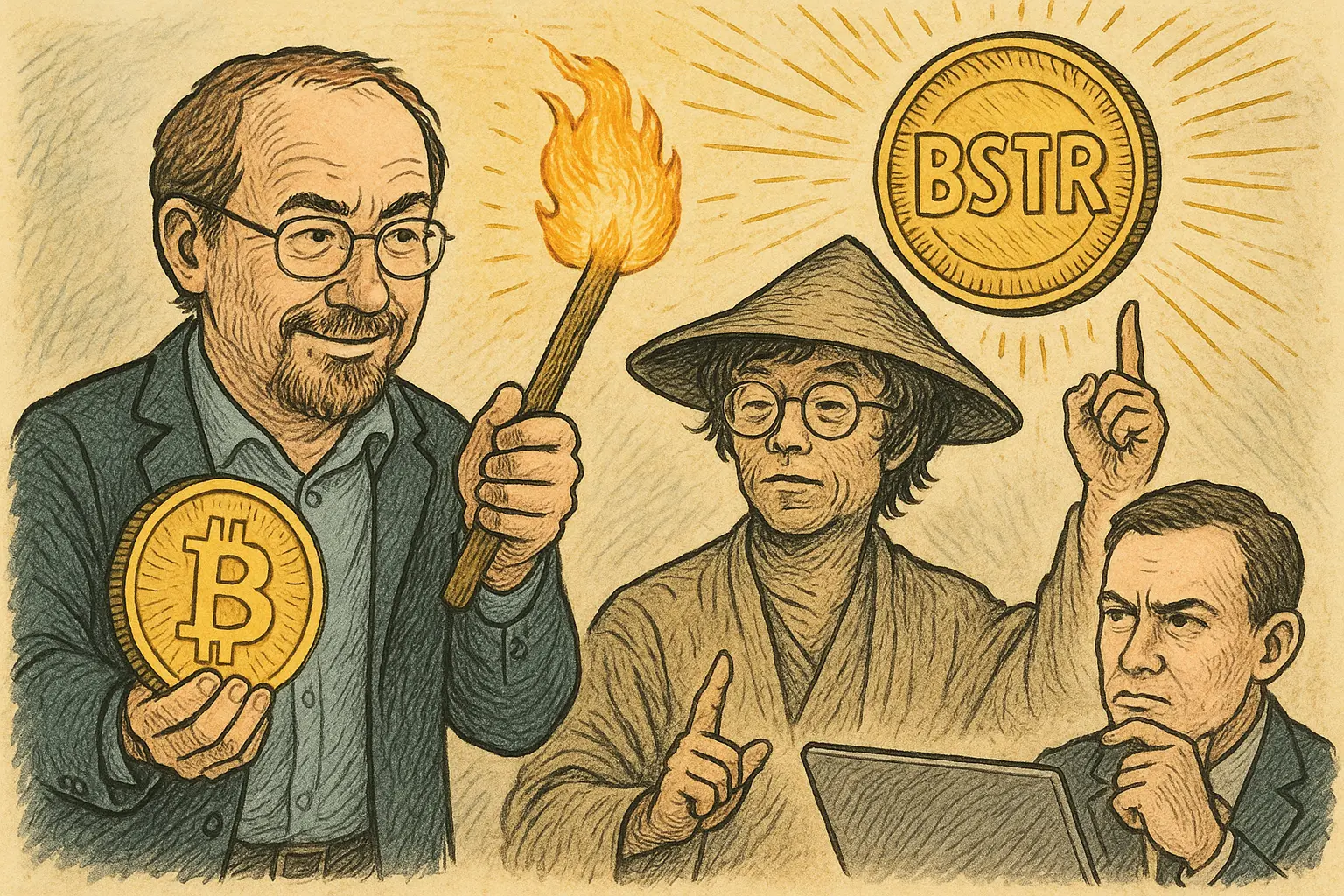
The New York Times report that lists Blockstream CEO Adam Back as the most likely candidate for Satoshi Nakamoto has sparked widespread attention, but several industry analysts have also noted an intriguing detail at the same time: Back’s photo-taking time with The New York Times photographer occurred weeks before the report was published, and his Bitcoin treasury company BSTR is at a critical point in the SPAC merger and listing process.
Photo Details Spark Doubts: Back’s Interview Coordination Is Not Passive
The investigative reporter John Carreyrou, who wrote this report, revealed that weeks before the report was released, Back had already proactively agreed to have his photo taken in Miami for The New York Times. This detail breaks the prevailing understanding that Back “passively accepted the interview,” making this widely discussed Satoshi Nakamoto report especially worth examining in terms of timing.
The core question in the industry is: whether Back intentionally orchestrated it or simply happily accepted it, the global media spotlight on Satoshi Nakamoto was indeed switched on exactly at the time when BSTR most needed market attention. Analysts noted that identifying a “Satoshi Nakamoto candidate” holds extremely high dissemination value in the media ecosystem; subsequent global follow-up reporting gave BSTR its name massive organic exposure without any advertising spend.
BSTR’s Listing Plan: A Record-Scale Bitcoin Treasury Tool
BSTR plans to complete its listing through a merger with Cantor Equity Partners I’s SPAC, with the deal including a $1.5 billion private equity financing (PIPE), setting a new all-time high for PIPE financing in the category of Bitcoin treasury tools.
Core Elements of the BSTR SPAC Merger Deal
Merger Counterparty: Cantor Equity Partners I, the SPAC shell company affiliated with the financial institution Cantor Fitzgerald
PIPE Financing Size: $1.5 billion, the largest PIPE financing record to date for Bitcoin treasury tools
Planned Bitcoin Holdings: holding more than 30,000 bitcoins at the time of listing, placing it among the world’s largest public bitcoin treasuries
Remaining Milestones: still needs approval from the U.S. Securities and Exchange Commission (SEC) review and shareholder voting
The merger deal was originally planned to be completed in the first quarter of 2026, and SEC review procedures could push the final timeline back to the end of this quarter.
Ambiguous Strategy for Satoshi Nakamoto Identity: Business Logic Behind the Topic’s Lifecycle
Back has never officially confirmed or denied that he is Satoshi Nakamoto. This intentionally maintained ambiguity, in fact, extends the media topic’s lifecycle. Each peak in the discussion of “Is Adam Back Satoshi Nakamoto?” brings BSTR a new round of brand exposure, and the company doesn’t need to make an active statement or invest in a promotional budget at all.
During the sensitive window period of a SPAC merger, managing media exposure is usually constrained by SEC-related regulations. As of now, there is no sign that BSTR has violated existing disclosure obligations, but the discussions triggered by the market timing of this matter have become a public relations topic in this listing plan that cannot be avoided.
Frequently Asked Questions
Has Adam Back been confirmed as Satoshi Nakamoto?
There is currently no definitive public evidence confirming that Adam Back is the Bitcoin creator Satoshi Nakamoto. The New York Times lists him as the “most likely candidate,” and Back himself has neither officially confirmed nor clearly denied it. The true identity of Satoshi Nakamoto remains the biggest unresolved mystery in the crypto industry to this day.
How is the BSTR SPAC merger deal progressing right now?
BSTR is moving forward with Cantor Equity Partners I on the SPAC merger. The deal includes a $1.5 billion PIPE financing and is expected to hold more than 30,000 bitcoins after listing. The merger was originally set to be completed in the first quarter of 2026 and still requires SEC review and shareholder approval, with the specific timeline possibly being delayed.
Could coordinating media interviews violate SPAC listing-period information disclosure requirements?
During the SPAC merger process, the issuer’s media communications are typically regulated and monitored by SEC-related rules. There is currently no sign that BSTR has violated existing disclosure obligations. Analysts’ comments focus on the business interests of timing rather than legal compliance issues.
Aviso legal: La información de esta página puede proceder de terceros y no representa los puntos de vista ni las opiniones de Gate. El contenido que aparece en esta página es solo para fines informativos y no constituye ningún tipo de asesoramiento financiero, de inversión o legal. Gate no garantiza la exactitud ni la integridad de la información y no se hace responsable de ninguna pérdida derivada del uso de esta información. Las inversiones en activos virtuales conllevan riesgos elevados y están sujetas a una volatilidad significativa de los precios. Podrías perder todo el capital invertido. Asegúrate de entender completamente los riesgos asociados y toma decisiones prudentes de acuerdo con tu situación financiera y tu tolerancia al riesgo. Para obtener más información, consulta el
Aviso legal.


